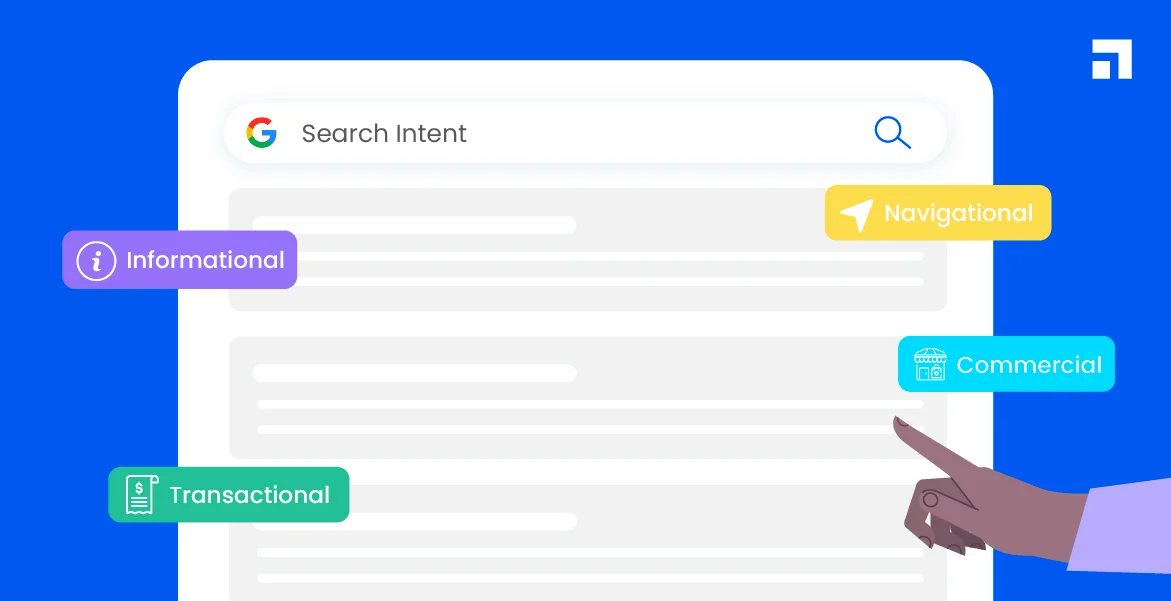
Search intent plays a crucial role in digital marketing and SEO strategies. Understanding why users search for specific terms helps in crafting content that aligns with their needs. Whether users perform a navigational search, look for informational queries, use transactional keywords, or express commercial intent, creating the right SEO content optimization strategy is essential.
What Is Search Intent?
Search intent refers to the purpose behind a user’s query. Every search performed on search engines falls into one of four main categories: navigational search, informational queries, transactional keywords, or commercial intent. By identifying the intent, businesses can tailor their content accordingly, improving engagement and search rankings.
1. Navigational Search
A navigational search happens when users look for a specific website or brand. These queries often include brand names or URLs. For example, a user searching for “Facebook login” is clearly intending to visit Facebook. Optimizing for navigational search involves ensuring proper branding, maintaining strong domain authority, and implementing structured data.
For businesses, it’s crucial to secure branded keywords so that users reach the correct destination. Strong internal linking and clear navigation structures further enhance the experience, helping search engines understand the relevance of a webpage for a given search intent.
2. Informational Queries
Users performing informational queries seek knowledge rather than a specific product or service. These searches usually begin with “how to,” “what is,” or “best ways to.” Articles, blogs, and guides cater well to this search intent, helping businesses attract organic traffic.
Optimizing for informational queries involves:
- Creating high-quality, in-depth content.
- Using structured headings and bullet points for readability.
- Incorporating authoritative sources to improve credibility.
By addressing user questions comprehensively, businesses can establish thought leadership and improve their SEO content optimization efforts.
3. Transactional Keywords
When users search with transactional keywords, they intend to complete an action, such as making a purchase or signing up for a service. Phrases like “buy now,” “discount code,” and “best price for” indicate this search intent.
To optimize for transactional keywords:
- Ensure landing pages are optimized for conversions.
- Use persuasive calls-to-action (CTAs).
- Offer trust signals like customer reviews and secure payment options.
A well-structured eCommerce page with a clear user journey significantly enhances the effectiveness of targeting transactional intent.
4. Commercial Intent
Users displaying commercial intent are in the consideration stage, evaluating options before making a purchase. Keywords such as “best laptops under $1000” or “top-rated smartphones” indicate comparison-based research.
For businesses, optimizing content for commercial intent includes:
- Writing comparison articles and product reviews.
- Including pros and cons sections.
- Using high-quality visuals and videos.
By aligning content with the search intent of potential buyers, businesses can guide them toward conversion while establishing authority in their niche.
How To Optimize Content For Search Intent
Aligning content with search intents improves engagement and conversions. Here’s how businesses can optimize their content:
- Conduct keyword research to determine intent.
- Structure content according to user expectations.
- Use clear and concise headings.
- Provide valuable insights to satisfy the query.
- Optimize meta descriptions and title tags with relevant terms.
By understanding and implementing strategies based on search intents, businesses can enhance their SEO content optimization efforts, leading to better search engine rankings and user satisfaction.
Recognizing and addressing different types of search intent—whether it’s navigational search, informational queries, transactional keywords, or commercial intent—is vital for digital success. By optimizing content to match user expectations, businesses improve visibility, engagement, and conversion rates. Crafting content that meets user needs while incorporating effective SEO content optimization strategies ensures long-term growth in search rankings and user engagement.
Source: BrandCom