Why YouTube tightens rules on AI-generated video monetization
YouTube recently announced an update to its Partner Program (YPP), effective from July 15, aimed at clarifying what kinds of content are eligible for monetization. This change reflects a broader move to protect authenticity and creativity as the platform faces a surge of AI-generated videos. In short, YouTube tightens rules to ensure quality and originality remain central to its ecosystem.
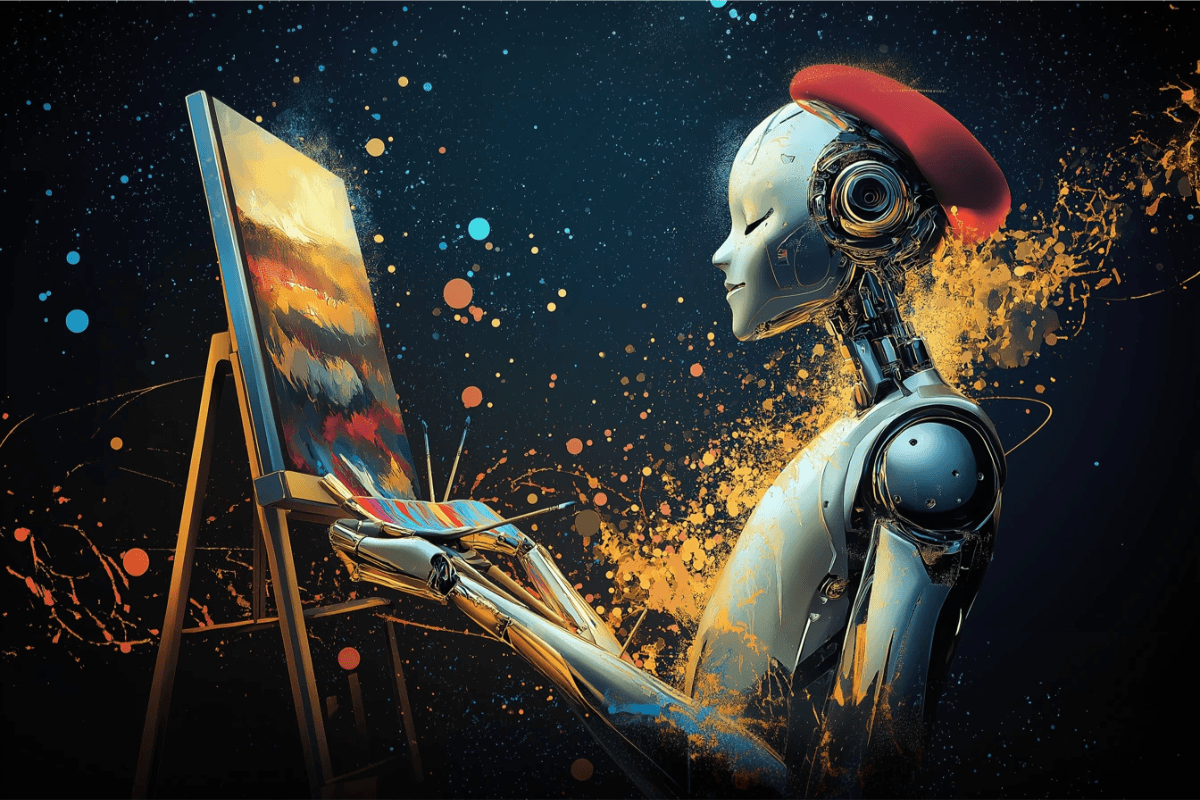
The platform is targeting mass-produced, repetitive, and low-value videos that have become increasingly common with AI tools. While AI-assisted videos can still earn revenue, YouTube emphasizes that content must be human-driven and original. According to its creator liaison team, repetitive or spam-like material has long been ineligible for monetization — this new policy simply enforces it more strictly.
The rise of AI has made it easy for anyone to generate videos with synthetic voices and reused footage, leading to a flood of low-quality uploads. In some cases, deepfake videos have even been used for scams. To combat this, YouTube is introducing improved detection systems and encouraging creators to label AI content transparently.
For creators and businesses, especially those on the Gold Coast, the message is clear: originality and authenticity must guide your content strategy. AI can assist in editing, scripting, or inspiration, but it should never replace human creativity. As YouTube tightens rules, success on the platform now depends on producing meaningful, engaging, and truly original work that connects with real audiences.
Source: BRANDCOM