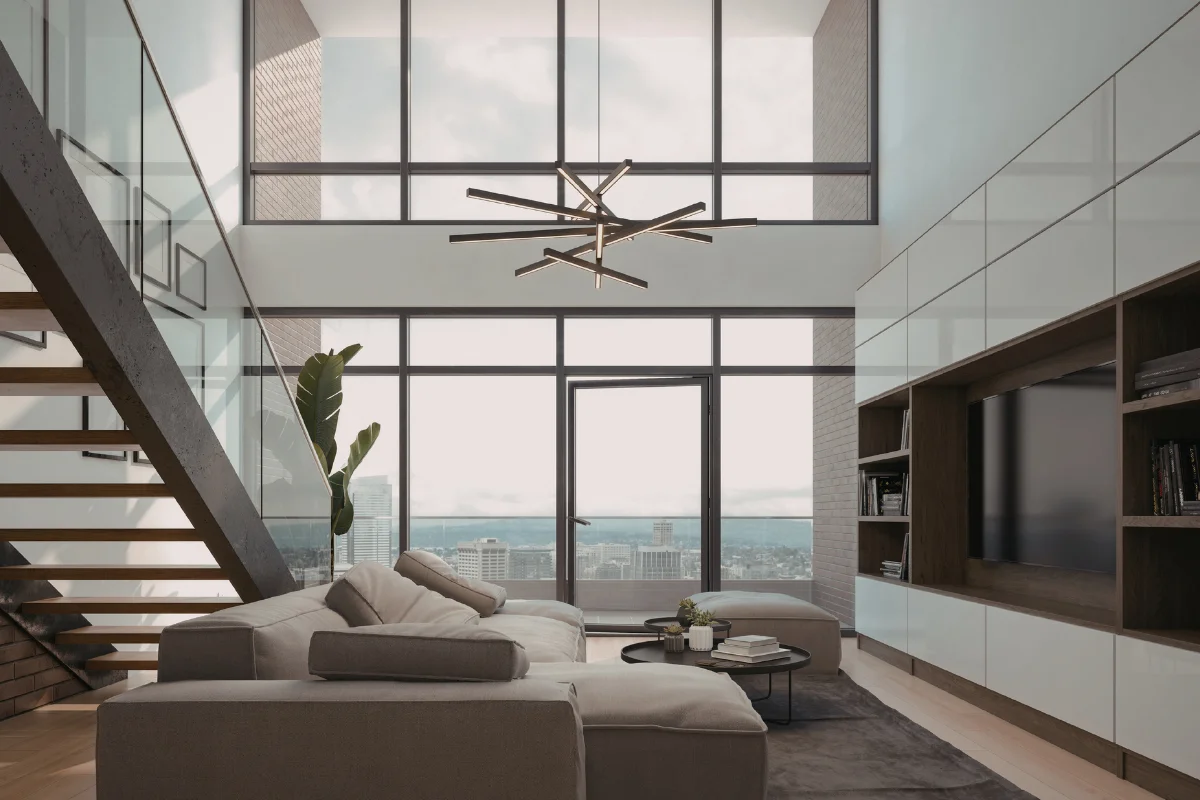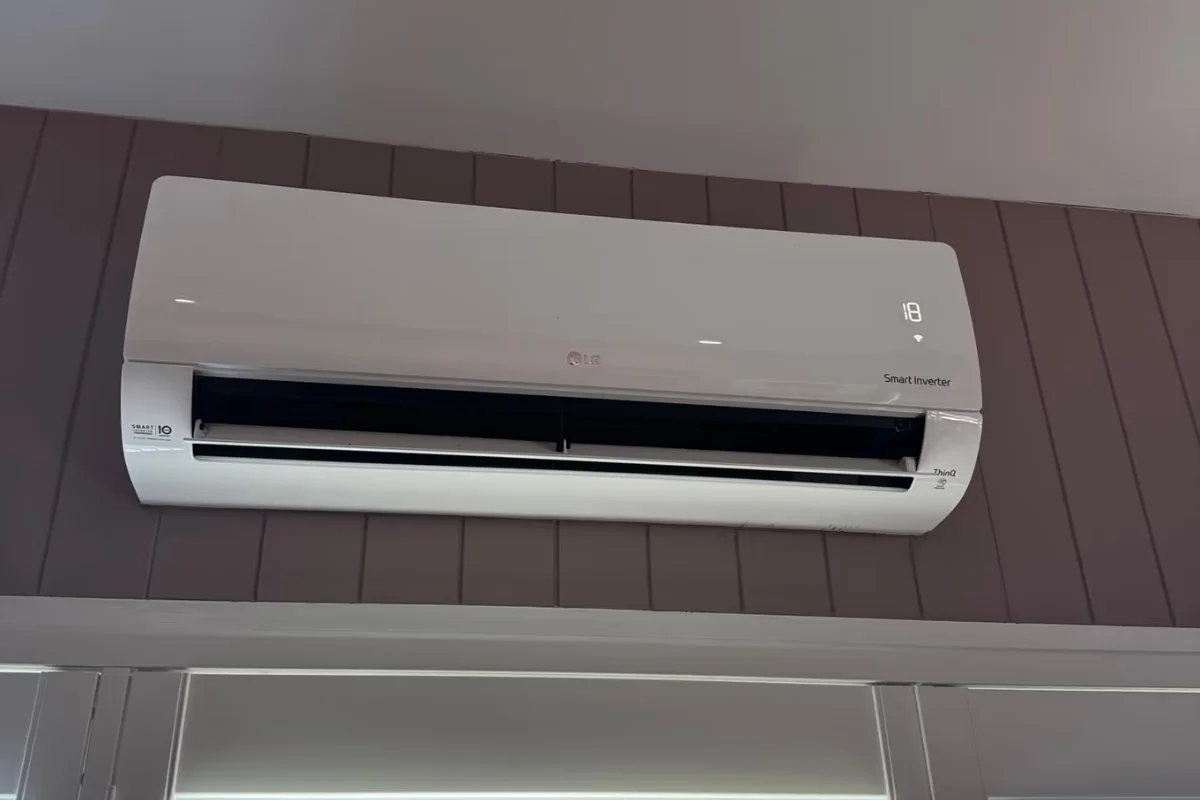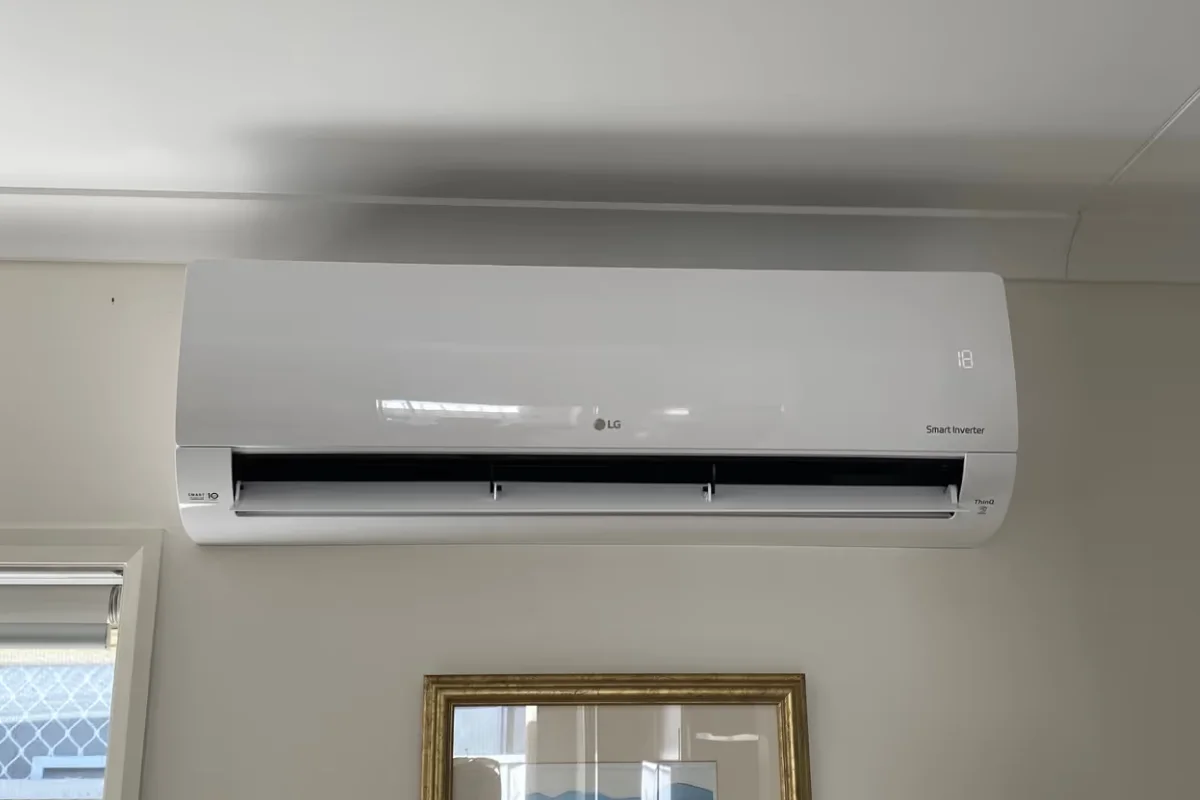
Luxury air conditioning is no longer about colder air. True premium comfort now depends on how precisely a system manages temperature, humidity, airflow, noise, and energy in real time.
That shift explains why Daikin’s recent AI positioning matters. Instead of framing cooling as a simple appliance function, Daikin increasingly presents climate control as a personalized environmental system. The original Deepchill article highlights sensor-driven cooling, occupancy detection, and predictive adjustments. For a deeper breakdown, refer to this article: https://deepchill.com.au/how-daikin-ai-technology-redefines-luxury-comfort/
But the bigger story is not “AI in air conditioning.” It is how AI transforms comfort from reactive to adaptive.
This difference changes how people experience indoor spaces.
From Temperature Control to Human-Centered Climate
Traditional air conditioners focus on one variable: reaching a set temperature.
This approach often creates problems:
- Uneven cooling
- Excessive dryness
- Temperature swings
- Energy spikes
- User discomfort despite “correct” thermostat readings
Daikin’s strategy moves beyond this outdated model by integrating occupancy sensing, humidity awareness, and predictive load analysis. Deepchill describes features like Intelligent Eye and neural-style heat load prediction that monitor room conditions and adapt before discomfort becomes obvious.
This matters because human comfort is psychological as much as physical.
A room at 24°C can feel unpleasant if humidity is too high. Another at 26°C may feel luxurious if airflow and moisture are balanced correctly.
The implication is significant: premium HVAC is shifting from temperature machines to perception management systems.
Why Humidity Is the Real Luxury Metric
Most consumers still judge air conditioning by cooling speed.
That misses one of the largest comfort variables: moisture control.
Daikin’s broader 2025 product direction in Vietnam emphasizes humidity balancing, including Humi Comfort features designed around local climate needs. Reports note humidity targets around 65%, reflecting regional comfort optimization rather than generic global settings.
This is especially relevant in tropical and coastal environments where sticky air often creates fatigue even when temperatures seem acceptable.
Humidity intelligence matters because it affects:
Sleep quality
Excess humidity disrupts thermal regulation during sleep.
Furniture longevity
Moisture accelerates mold, odor, and material wear.
Respiratory comfort
Balanced humidity can reduce throat dryness while limiting damp discomfort.
Perceived luxury
Stable humidity often feels “expensive” because the body notices equilibrium more than raw cooling power.
In practical terms, Daikin’s AI proposition is strongest when it solves invisible discomfort.
Predictive Cooling Changes Energy Economics
The real engineering advantage of AI is anticipation.
Most systems react after conditions worsen. This creates abrupt compressor cycles and power surges.
Predictive cooling, as described by Deepchill, attempts to forecast heat load changes based on sunlight, occupancy, and room behavior.
This has three major consequences:
Lower operational volatility
Smaller micro-adjustments reduce dramatic cycling.
Better long-term efficiency
Avoiding overcorrection lowers unnecessary consumption.
Premium acoustic experience
Luxury increasingly means silence. Smooth predictive operation can reduce disruptive start-stop noise.
For homeowners, this reframes AI from a novelty into a cost-management tool.
The deeper implication is that HVAC may become more similar to autonomous driving logic: systems constantly modeling conditions and adjusting before the user notices a problem.
Personalization Is Becoming the New Status Symbol
Luxury historically meant bigger systems or more expensive finishes.
Now, status increasingly comes from invisible optimization.
Daikin’s ecosystem positioning around “ideal air” suggests a broader market movement where personalized indoor climate becomes part of lifestyle design.
This means affluent buyers may prioritize:
- Adaptive zoning
- Occupant-based airflow redirection
- Quiet mode intelligence
- Seasonal humidity profiles
- Mobile ecosystem integration
In this model, premium air systems resemble smart home ecosystems more than traditional appliances.
The user is not buying cold air.
They are buying reduced cognitive friction.
The Hidden Challenge: AI Can’t Replace Installation Quality
Technology alone does not guarantee luxury.
Even advanced systems fail when installation, maintenance, or servicing is poor. Community complaints on Reddit also show that service quality and repair experiences can shape brand perception as much as product design.
This is critical because AI systems rely heavily on:
- Correct sensor placement
- Proper refrigerant charging
- Accurate room sizing
- Reliable maintenance
Without these, premium features can become marketing rather than measurable comfort.
So, buyers should evaluate not only product features but also installer competence and after-sales support.
What This Means for the Future of Home Design
Daikin’s AI push reflects a broader design philosophy.
Air systems are moving toward:
Invisible luxury
Comfort without conscious adjustment.
Environmental intelligence
Systems that learn occupants over time.
Regional customization
Climate logic tailored to geography.
Wellness integration
Air quality, humidity, and sensory comfort merging.
This evolution could reshape architecture itself, where HVAC becomes central to wellness-oriented home design.
Conclusion
Daikin’s AI narrative is not really about artificial intelligence.
It is about redefining comfort as a dynamic, predictive, and personalized experience.
The most important shift is conceptual: luxury cooling is no longer measured by how cold a room gets. It is measured by how naturally a space feels comfortable without intervention.
That is a much higher standard.
And it may define the next decade of premium living.Luxury air conditioning is no longer about colder air. True premium comfort now depends on how precisely a system manages temperature, humidity, airflow, noise, and energy in real time.
That shift explains why Daikin’s recent AI positioning matters. Instead of framing cooling as a simple appliance function, Daikin increasingly presents climate control as a personalized environmental system. The original Deepchill article highlights sensor-driven cooling, occupancy detection, and predictive adjustments. For a deeper breakdown, refer to this article: https://deepchill.com.au/how-daikin-ai-technology-redefines-luxury-comfort/
But the bigger story is not “AI in air conditioning.” It is how AI transforms comfort from reactive to adaptive.
This difference changes how people experience indoor spaces.
From Temperature Control to Human-Centered Climate
Traditional air conditioners focus on one variable: reaching a set temperature.
This approach often creates problems:
- Uneven cooling
- Excessive dryness
- Temperature swings
- Energy spikes
- User discomfort despite “correct” thermostat readings
Daikin’s strategy moves beyond this outdated model by integrating occupancy sensing, humidity awareness, and predictive load analysis. Deepchill describes features like Intelligent Eye and neural-style heat load prediction that monitor room conditions and adapt before discomfort becomes obvious.
This matters because human comfort is psychological as much as physical.
A room at 24°C can feel unpleasant if humidity is too high. Another at 26°C may feel luxurious if airflow and moisture are balanced correctly.
The implication is significant: premium HVAC is shifting from temperature machines to perception management systems.
Why Humidity Is the Real Luxury Metric
Most consumers still judge air conditioning by cooling speed.
That misses one of the largest comfort variables: moisture control.
Daikin’s broader 2025 product direction in Vietnam emphasizes humidity balancing, including Humi Comfort features designed around local climate needs. Reports note humidity targets around 65%, reflecting regional comfort optimization rather than generic global settings.
This is especially relevant in tropical and coastal environments where sticky air often creates fatigue even when temperatures seem acceptable.
Humidity intelligence matters because it affects:
Sleep quality
Excess humidity disrupts thermal regulation during sleep.
Furniture longevity
Moisture accelerates mold, odor, and material wear.
Respiratory comfort
Balanced humidity can reduce throat dryness while limiting damp discomfort.
Perceived luxury
Stable humidity often feels “expensive” because the body notices equilibrium more than raw cooling power.
In practical terms, Daikin’s AI proposition is strongest when it solves invisible discomfort.
Predictive Cooling Changes Energy Economics
The real engineering advantage of AI is anticipation.
Most systems react after conditions worsen. This creates abrupt compressor cycles and power surges.
Predictive cooling, as described by Deepchill, attempts to forecast heat load changes based on sunlight, occupancy, and room behavior.
This has three major consequences:
Lower operational volatility
Smaller micro-adjustments reduce dramatic cycling.
Better long-term efficiency
Avoiding overcorrection lowers unnecessary consumption.
Premium acoustic experience
Luxury increasingly means silence. Smooth predictive operation can reduce disruptive start-stop noise.
For homeowners, this reframes AI from a novelty into a cost-management tool.
The deeper implication is that HVAC may become more similar to autonomous driving logic: systems constantly modeling conditions and adjusting before the user notices a problem.
Personalization Is Becoming the New Status Symbol
Luxury historically meant bigger systems or more expensive finishes.
Now, status increasingly comes from invisible optimization.
Daikin’s ecosystem positioning around “ideal air” suggests a broader market movement where personalized indoor climate becomes part of lifestyle design.
This means affluent buyers may prioritize:
- Adaptive zoning
- Occupant-based airflow redirection
- Quiet mode intelligence
- Seasonal humidity profiles
- Mobile ecosystem integration
In this model, premium air systems resemble smart home ecosystems more than traditional appliances.
The user is not buying cold air.
They are buying reduced cognitive friction.
The Hidden Challenge: AI Can’t Replace Installation Quality
Technology alone does not guarantee luxury.
Even advanced systems fail when installation, maintenance, or servicing is poor. Community complaints on Reddit also show that service quality and repair experiences can shape brand perception as much as product design.
This is critical because AI systems rely heavily on:
- Correct sensor placement
- Proper refrigerant charging
- Accurate room sizing
- Reliable maintenance
Without these, premium features can become marketing rather than measurable comfort.
So, buyers should evaluate not only product features but also installer competence and after-sales support.
What This Means for the Future of Home Design
Daikin’s AI push reflects a broader design philosophy.
Air systems are moving toward:
Invisible luxury
Comfort without conscious adjustment.
Environmental intelligence
Systems that learn occupants over time.
Regional customization
Climate logic tailored to geography.
Wellness integration
Air quality, humidity, and sensory comfort merging.
This evolution could reshape architecture itself, where HVAC becomes central to wellness-oriented home design.
Conclusion
Daikin’s AI narrative is not really about artificial intelligence.
It is about redefining comfort as a dynamic, predictive, and personalized experience.
The most important shift is conceptual: luxury cooling is no longer measured by how cold a room gets. It is measured by how naturally a space feels comfortable without intervention.
That is a much higher standard.
And it may define the next decade of premium living.