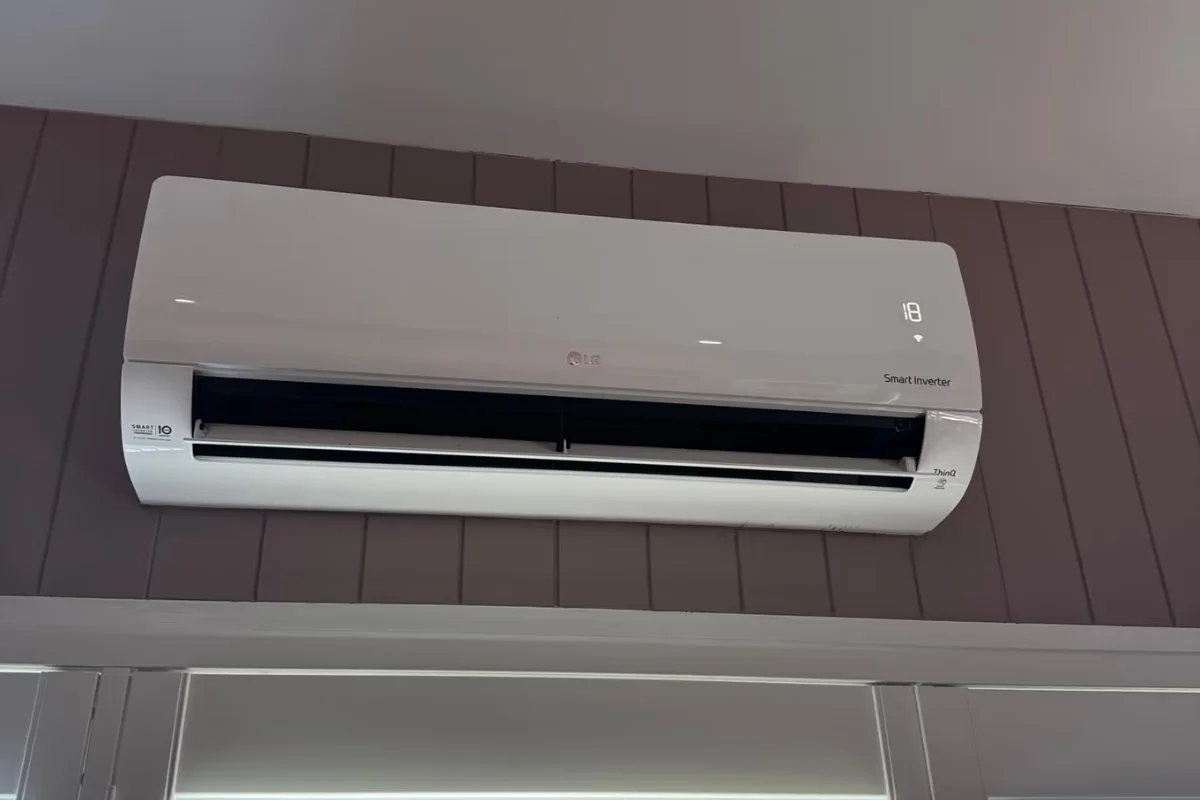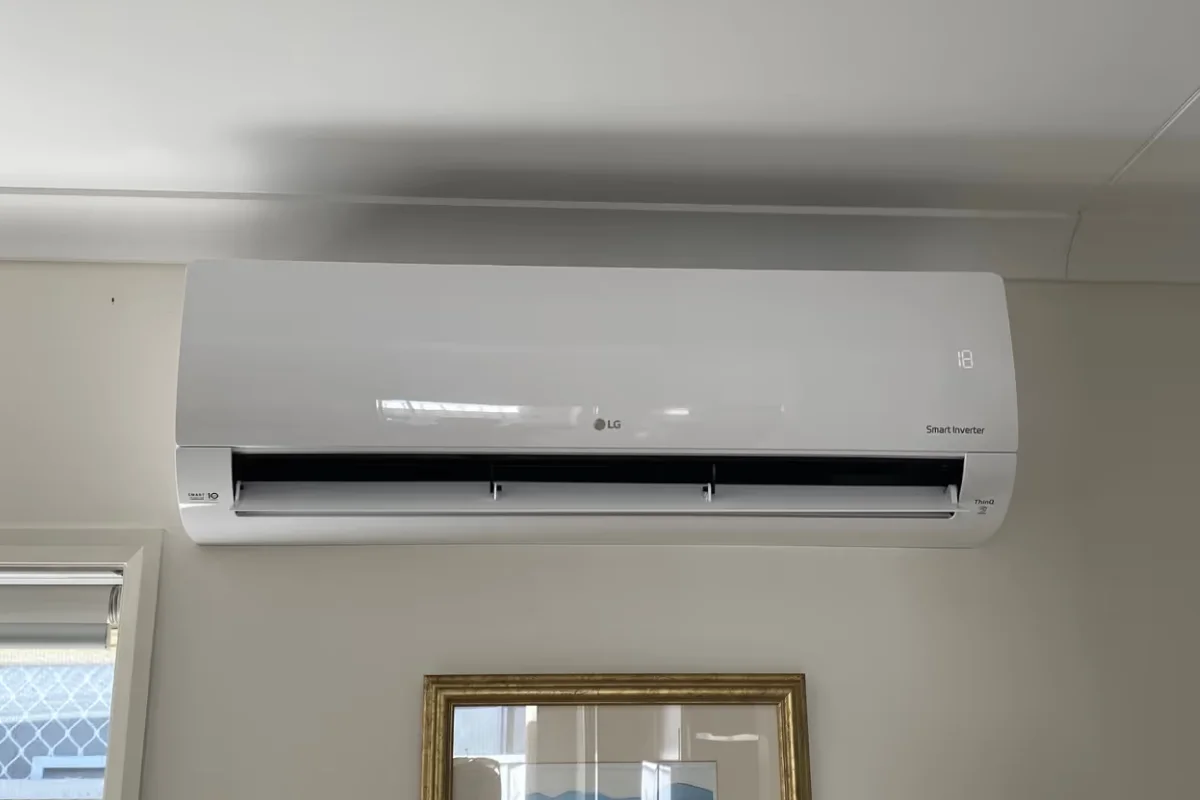
Air conditioning used to be simple: cool the room, maintain the temperature, repeat. In 2026, that logic is disappearing. Modern cooling systems are no longer passive machines responding to thermostat commands. They are becoming adaptive systems that interpret behavior, anticipate demand, detect inefficiencies, and continuously optimize themselves.
What makes today’s transformation significant is that artificial intelligence is moving air conditioning from automation into prediction.
For a deeper breakdown of emerging industry changes, refer to this article: https://deepchill.com.au/ai-air-conditioning-technology-in-2026-whats-different/
Air Conditioning Is Becoming Predictive Instead of Reactive
Traditional HVAC systems respond after conditions change. A room becomes hot, the system activates. Occupancy rises, airflow increases. Equipment fails, maintenance teams react.
AI-driven systems reverse this sequence.
Modern AI cooling platforms analyze occupancy patterns, weather forecasts, energy pricing, equipment behavior, airflow dynamics, and thermal history simultaneously. Instead of reacting to problems, the system predicts them before occupants notice anything unusual.
This is one of the most important differences between “smart controls” and genuine AI air conditioning technology. Smart controls follow programmed rules. AI systems continuously refine their own operational decisions based on incoming data.
That distinction changes how buildings consume power.
Rather than cooling every zone equally, AI systems learn which spaces heat faster, which times produce occupancy spikes, and which environmental conditions create inefficiencies. The result is more granular cooling that reduces unnecessary compressor cycling and energy waste.
The implications extend beyond electricity savings. Reduced cycling also decreases wear on compressors, fans, pumps, and motors, which directly affects maintenance costs and equipment lifespan.
Predictive Maintenance Is Becoming the Real Economic Advantage
The biggest operational impact of AI in HVAC may not be comfort at all. It may be maintenance.
Commercial cooling systems traditionally operate on either reactive maintenance or scheduled servicing. Both approaches are inefficient. Reactive maintenance waits for failure. Scheduled maintenance often replaces components that still have useful life remaining.
AI changes this by monitoring subtle deviations invisible to human operators. Small shifts in refrigerant pressure, vibration patterns, discharge temperatures, or energy draw can indicate future failures weeks before breakdowns occur.
This matters because HVAC failures rarely happen at convenient times. In hospitals, data centers, retail environments, hotels, and manufacturing facilities, cooling downtime can create financial losses far beyond repair costs.
AI-based predictive maintenance systems are increasingly using digital twins — virtual models of physical HVAC equipment that compare expected behavior against real-world performance. When the actual system deviates from the digital model, the AI flags inefficiencies or likely faults early.
The result is a transition from emergency repair culture toward continuous optimization.
Instead of technicians responding to catastrophic failures, maintenance becomes data-driven and strategic.
The Data Center Boom Is Accelerating HVAC Innovation
One reason AI cooling technology is advancing so quickly is the explosive growth of AI data centers themselves.
Modern AI computing infrastructure generates enormous heat densities that traditional air cooling cannot efficiently handle anymore. Advanced GPUs used for AI workloads operate at thermal levels far beyond older server environments. This has forced rapid innovation in liquid cooling, thermal management systems, and intelligent environmental control.
Ironically, artificial intelligence is now accelerating the evolution of cooling technologies needed to sustain artificial intelligence infrastructure.
This pressure is pushing HVAC manufacturers toward systems capable of managing dynamic thermal loads in real time. AI-assisted cooling algorithms are increasingly integrated into large-scale facilities because static cooling methods waste energy and reduce hardware reliability.
The innovations developed for hyperscale data centers often migrate into commercial buildings over time. Technologies such as intelligent airflow balancing, sensor-rich monitoring, and adaptive load management are beginning to influence mainstream building HVAC systems as costs decline.
In practical terms, buildings are starting to inherit cooling intelligence originally designed for high-performance computing environments.
AI Is Also Reshaping Human Comfort Expectations
Another major shift is psychological rather than technical.
Historically, HVAC systems treated occupants as averages. Buildings were cooled according to generalized assumptions about comfort.
AI systems increasingly personalize climate behavior.
By analyzing occupancy patterns, usage habits, room-level conditions, and feedback loops, systems can optimize comfort more precisely for actual human behavior rather than static schedules.
This sounds minor, but it fundamentally changes the relationship between buildings and occupants.
For example, conference rooms no longer need to remain aggressively cooled all day if AI occupancy models predict low utilization. Residential systems can gradually adapt to homeowner behavior patterns instead of relying solely on manual thermostat adjustments.
The broader implication is that comfort itself is becoming dynamic.
Buildings are beginning to learn how people actually use space instead of forcing people to adapt to fixed mechanical schedules.
The Industry Still Faces Major Limitations
Despite the excitement around AI air conditioning technology, the transition is not frictionless.
Many older buildings lack the sensor infrastructure needed for effective AI optimization. Fragmented building management systems create interoperability problems. Data security is becoming a growing concern as HVAC systems connect to cloud platforms and remote monitoring networks.
There is also resistance within the industry itself.
HVAC remains a highly practical trade, and many technicians remain skeptical about overreliance on AI-driven diagnostics. Some field professionals argue that real-world troubleshooting still requires contextual judgment that AI systems cannot replicate effectively.
That skepticism is not entirely wrong.
AI excels at pattern recognition, anomaly detection, and optimization. But physical systems still operate in messy real-world environments where installation quality, human behavior, airflow restrictions, and unpredictable conditions create complexities beyond clean datasets.
The likely future is not fully autonomous HVAC management. It is collaborative intelligence where technicians and AI systems work together.
Why This Transition Matters Beyond Cooling
The deeper story is that air conditioning is becoming part of a broader intelligent infrastructure ecosystem.
Buildings are no longer isolated mechanical environments. They are increasingly connected to energy grids, occupancy analytics, carbon reduction targets, predictive maintenance systems, and smart operational platforms.
AI cooling systems are evolving into decision-making layers within larger building ecosystems.
That shift changes how facilities are designed, maintained, financed, and operated.
In the past, air conditioning was viewed primarily as an operational expense. In 2026, it is increasingly treated as an intelligence platform capable of reducing energy waste, extending equipment lifespan, improving occupant experience, and supporting sustainability goals simultaneously.
The technology itself matters less than the strategic change behind it: buildings are beginning to think ahead instead of merely reacting.
Source: https://deepchill.com.au/ai-air-conditioning-technology-in-2026-whats-different/