Panasonic ECO AI: The Hidden Logic Behind Smarter Cooling Decisions
Air conditioners have stopped being passive machines. They now make decisions. Panasonic ECO AI is one of the clearer examples of that shift, but most homeowners only see the surface: a button that promises lower bills. The real story sits underneath, in how the unit decides when to throttle, when to push, and when to ignore your settings entirely. Understanding that logic changes how you use the system, and how much you actually save.
What ECO AI Is Actually Doing Behind the Scenes
The marketing line is simple: artificial intelligence saves energy. The mechanical reality is more interesting. ECO AI continuously samples three data streams. It tracks room temperature delta, compressor load, and human activity patterns through motion and thermal sensors. It then runs these inputs against a learned baseline for your specific household.
This matters because conventional inverter systems react. ECO AI anticipates. A standard inverter ramps down only after the room hits the setpoint. Panasonic’s logic ramps down before that point if it predicts overshoot, which is the single biggest source of wasted energy in residential cooling.
Why Anticipation Beats Reaction
Reactive cooling wastes power in two ways. The compressor overshoots the target temperature, then has to idle while the room warms back up. Each overshoot costs roughly 5 to 8 percent in efficiency over a typical cooling cycle. Multiply that across a Sydney or Brisbane summer and the gap becomes substantial.
ECO AI flattens this curve. It reads the rate of temperature change and slows the compressor earlier. The room reaches comfort more slowly, but it stays there with less compressor cycling. Lower cycling means less peak current draw, which is where your electricity meter does most of its damage.
The Sensor Layer That Most Owners Ignore
Panasonic’s nanoe X and Aerowings technology get most of the attention, but the sensing layer is where ECO AI earns its name. The unit uses a human activity sensor that detects motion intensity, not just presence. A person sitting and watching television generates a different thermal and motion signature than someone exercising or cooking.
The system adjusts setpoint tolerance based on this signal. If activity is low, it allows the room to drift one or two degrees warmer because metabolic heat output is minimal. If activity rises, it tightens the tolerance. This is subtle, almost invisible, but it is where the real savings come from. A unit that cools an empty room to 22 degrees is burning money. A unit that recognises absence and drifts to 25 degrees is not.
The Trade-Off Nobody Mentions
There is a cost to this intelligence. ECO AI introduces small comfort variances that some people notice and dislike. If you are temperature-sensitive, the one-to-two-degree drift can feel like the unit is underperforming. It is not. It is optimising. But the perception gap is real, and it is why some users disable ECO mode after a week and never turn it back on.
The practical answer is to give the system at least two weeks of consistent use. The learning algorithm needs that window to build a usable household profile. Switching it on and off resets nothing, but inconsistent feedback weakens the optimisation. For a more detailed walkthrough of the comfort-versus-efficiency balance, this article covers the practical setup well: https://deepchill.com.au/panasonic-eco-ai-maximizing-comfort-minimizing-energy-bills/
Where ECO AI Underperforms
Honest assessment matters. ECO AI is not equally effective in every home. Three conditions reduce its value significantly.
Poorly insulated rooms are the first problem. If your walls and ceiling leak heat aggressively, the predictive logic struggles. The system expects a certain rate of heat ingress, and when that rate spikes unpredictably, ECO AI either overcorrects or lags. You get inconsistent comfort and only modest savings.
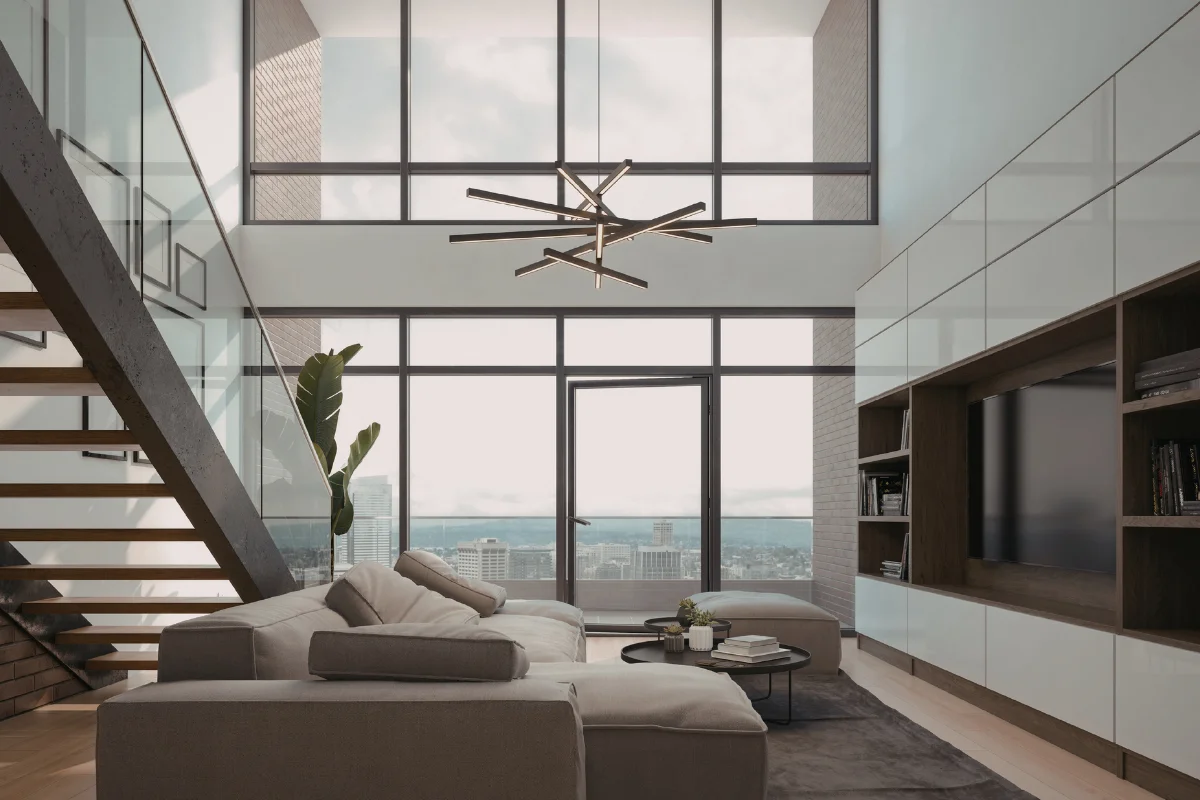
Open-plan layouts with high ceilings are the second weak point. The sensor reads a localised zone, but the cooling load comes from a much larger volume. The algorithm’s assumptions break down. You will still see some efficiency gains, but nothing close to the figures Panasonic publishes for ideal conditions.
The third issue is irregular occupancy. ECO AI learns patterns. A household with shift workers, frequent guests, or unpredictable schedules gives the algorithm noisy data. It still works, but the optimisation curve flattens.
Practical Configuration That Most Installers Skip
Most installers commission the unit, demonstrate the remote, and leave. They rarely configure ECO AI properly. Two adjustments matter.
First, set a realistic baseline setpoint. ECO AI optimises around the temperature you choose. If you set it to 18 degrees, the algorithm will work hard to hold a punishing target and your savings collapse. A baseline of 24 to 25 degrees gives the system room to negotiate.
Second, enable the activity sensor’s full sensitivity. The default is often a middle setting, which dampens the human-detection logic. Higher sensitivity captures more nuance in occupancy patterns, which is exactly what the AI needs to make good decisions.
The Bill Impact, Realistically
Panasonic’s published figures suggest savings of up to 30 percent. Independent reports usually land between 12 and 20 percent under typical Australian conditions. That is still meaningful. On a household spending 1,800 dollars a year on cooling, a 15 percent reduction returns 270 dollars annually. The unit pays back its premium over a standard inverter within three to five years.
The Real Takeaway
ECO AI is not magic. It is a well-executed application of predictive control and behavioural sensing. It rewards homeowners who understand what the system is trying to do and configure it accordingly. It punishes those who fight its logic by overriding settings or expecting instant cold-blast performance.
The smartest move is to treat ECO AI as a collaborator, not a feature. Let it learn. Resist the urge to constantly adjust. Pair it with sensible insulation and realistic setpoints. The savings follow, quietly and consistently.
Source: https://deepchill.com.au/panasonic-eco-ai-maximizing-comfort-minimizing-energy-bills/