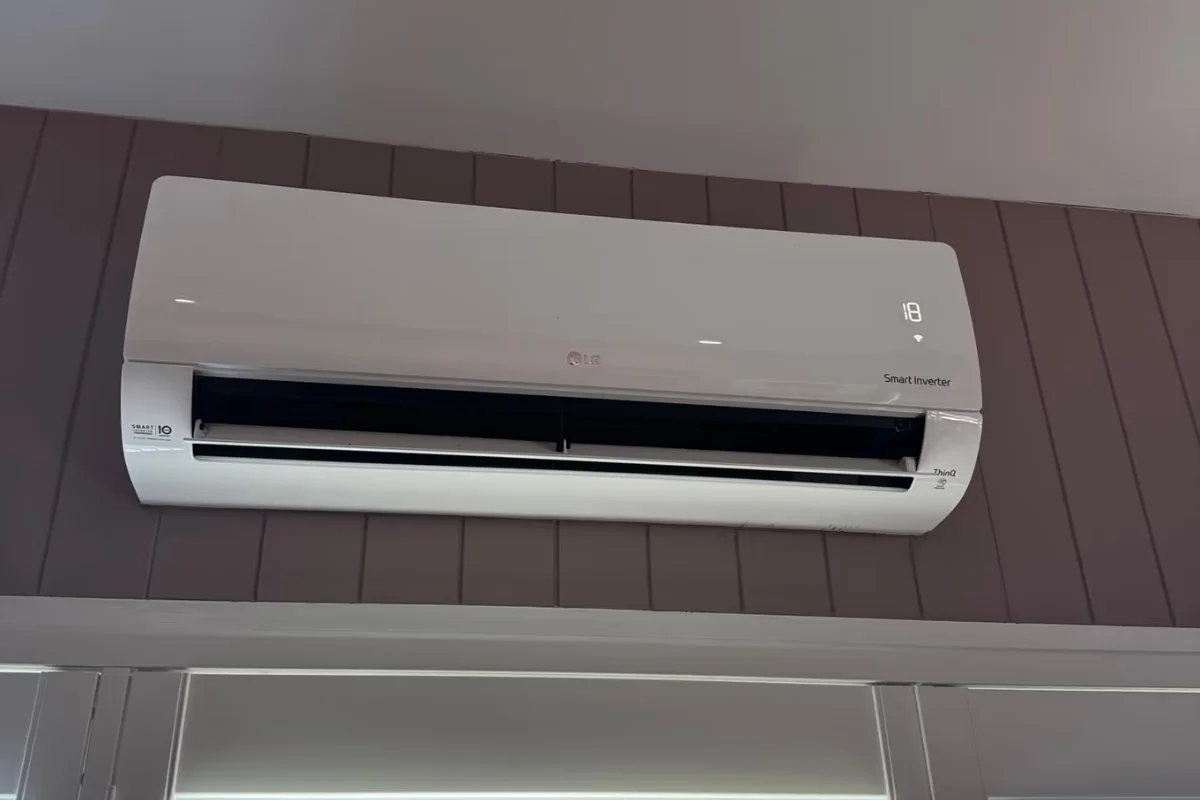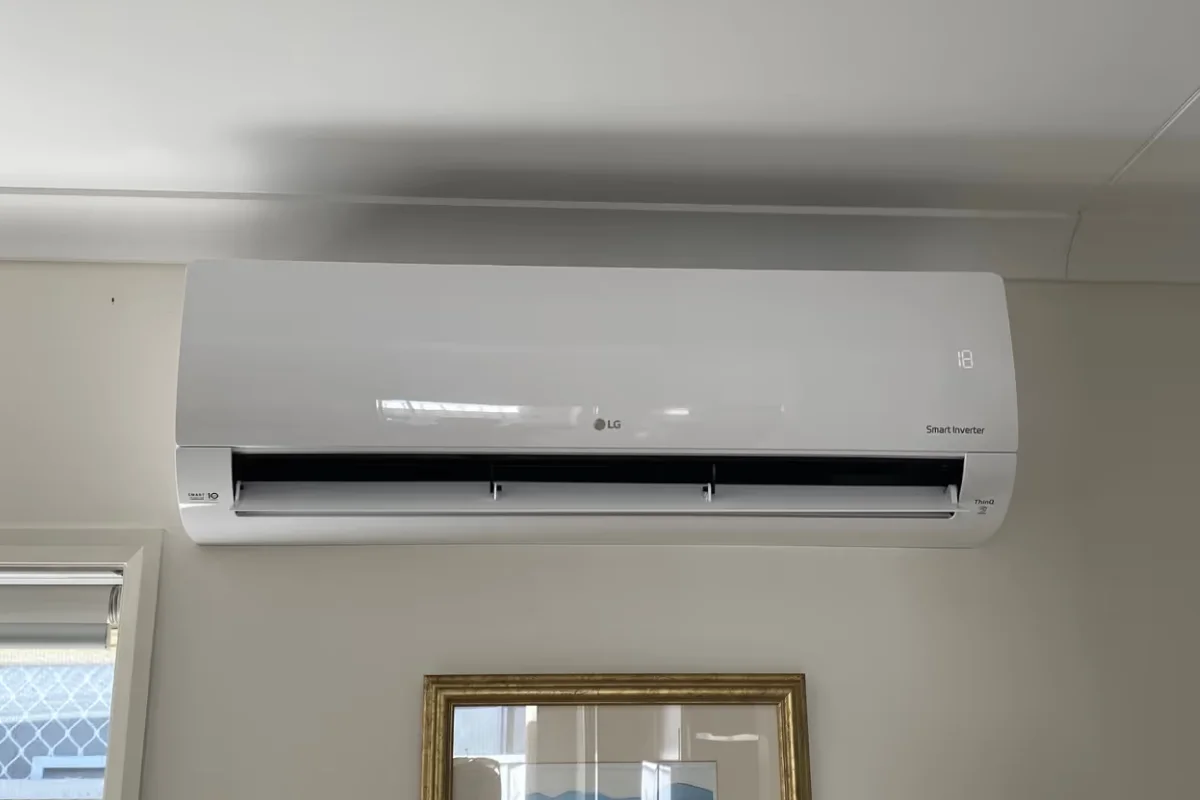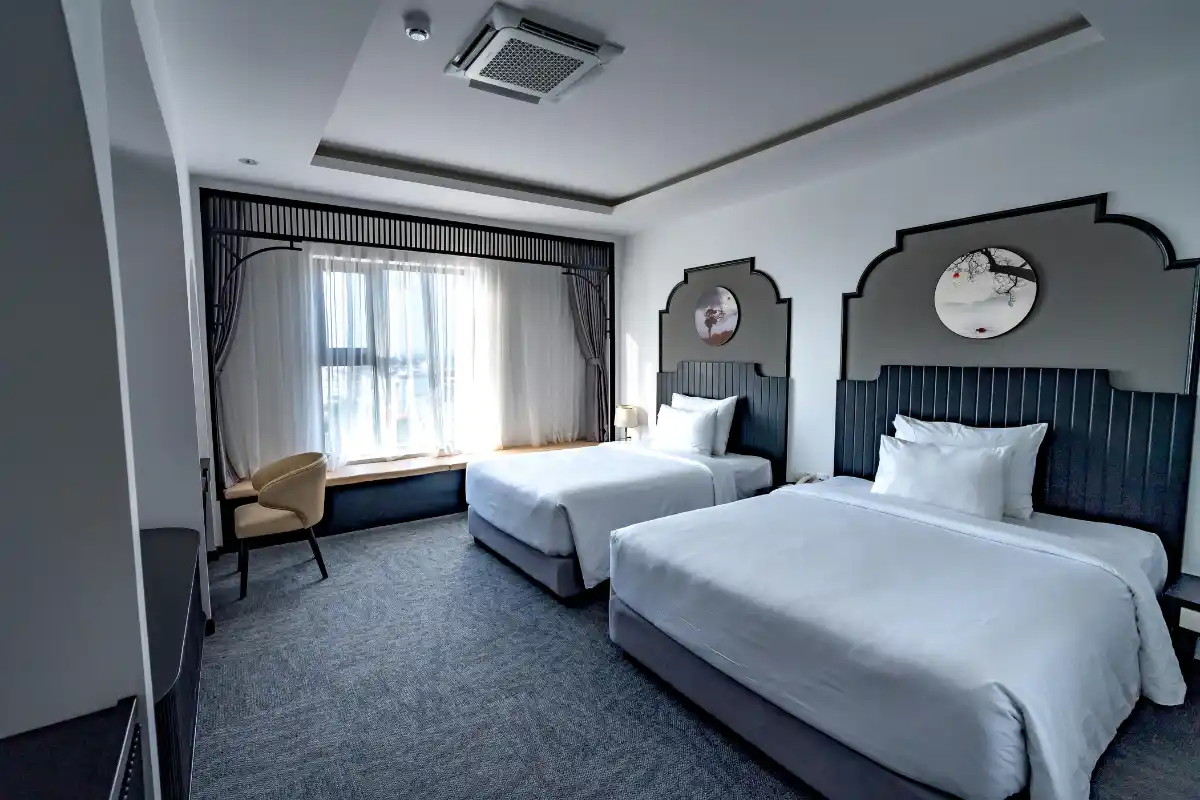
A guest checks in on a cold Gold Coast night. The room cooled perfectly two months ago. Now the same unit blows lukewarm air on heat mode. The hardware looks identical. The fault is not.
This asymmetry confuses most hotel operators. They assume a working air conditioner is a working heater. Reverse-cycle systems do not work that way. Understanding why changes how you brief your maintenance contractor.
Heating Is The Harder Job For The Same Machine
A reverse-cycle unit moves heat. In summer it pulls warmth out of the room. In winter it extracts warmth from cold outdoor air. The second task is mechanically harder.
When outdoor air is cold, there is less ambient heat to capture. The compressor works longer and harder to deliver the same comfort. Any weakness in the system shows up first in heat mode.
This is the core insight. Cooling masks faults that heating exposes. A slightly low refrigerant charge still cools acceptably. The same charge fails to heat on a 9°C morning. So a unit can pass a casual summer check and still disappoint in July.
The Reversing Valve: A Single Point Of Failure
The component that switches a system between cooling and heating is the reversing valve. It redirects refrigerant flow to flip the cycle. It sits idle for the entire warm season.
Idle parts seize. After months of cooling-only duty, the valve may stick or partially shift. The result is air that feels neither cold nor warm. Many “hotel AC not heating” complaints trace back to this one part.
A valve fault rarely throws an obvious error code. Staff see a running unit and assume the guest is mistaken. The deeper article on this seasonal failure pattern is worth reviewing here: https://deepchill.com.au/hotel-ac-not-heating-how-to-avoid-1-star-reviews-this-winter/
The Defrost Cycle Nobody Accounts For
Heat mode introduces a behaviour that does not exist in cooling. The outdoor coil gets cold enough to collect frost. To clear it, the system pauses heating and briefly reverses. This is the defrost cycle.
During defrost, the indoor unit blows cool or neutral air. This is normal engineering, not a fault. But a guest standing in the room interprets it as failure. They call the front desk mid-cycle.
The problem worsens when defrost runs too often. A dirty outdoor coil frosts faster. So a maintenance gap that seemed cosmetic in summer now triggers constant defrost interruptions in winter.
Why Summer Load Creates Winter Faults
Gold Coast hotels run cooling almost continuously through the tourist peak. That sustained load degrades components quietly. Bearings wear. Filters clog. Small refrigerant leaks widen.
None of this stops cooling immediately. The system has margin in summer. Winter removes that margin. The same degraded unit now lacks the capacity to heat a room against cold air.
This explains the timing of complaints. Faults accumulate in the busy season but only surface when the demand profile flips. Operators who service only before summer miss this entirely.
What This Means For Your Maintenance Brief
Generic servicing checks the wrong things for winter. A standard clean and gas top-up addresses cooling performance. It may never test heat mode under realistic conditions.
Ask your contractor specific questions instead. Did they cycle the reversing valve and confirm it switches cleanly? Did they run the unit in heat mode long enough to observe a defrost cycle? Did they measure heating output, not just cooling?
These are different tests. A technician can declare a unit healthy after a cooling check and still leave a heating fault in place. The brief you give determines what gets caught.
The Operational Cost Sits Behind The Complaint
A heating fault is not one bad review. It is a chain reaction across your night operations. Front desk fields calls. Staff deliver blankets or shuffle rooms. A maintenance call-out gets booked at emergency rates.
Emergency rates matter. A planned valve service is cheap. The same repair at 11pm in peak winter, with a guest waiting, costs far more. The financial gap between proactive and reactive widens sharply in cold months.
There is also a capacity trap. If several rooms share the same neglected service history, they may fail together. One cold snap can pull multiple rooms offline at once. Your ability to reshuffle guests collapses precisely when you need it.
Build A Heating-Specific Pre-Winter Check
Treat winter readiness as its own task, separate from summer servicing. Schedule it in the shoulder season, before the first real cold. The unit needs testing in the mode it will actually run.
Prioritise rooms with the heaviest summer use. These carry the most accumulated wear. Prioritise older units and any system that showed odd behaviour during peak season. Past symptoms predict winter failures.
Keep a simple record per room. Note service date, heat-mode test result, and any defrost observations. This turns vague guest complaints into traceable patterns. Over time you learn which units fail first and replace them on your terms.
The Takeaway
A reverse-cycle system is two machines sharing one body. The cooling machine and the heating machine wear differently and fail differently. Judging winter readiness by summer performance is the central mistake.
The fix is not more servicing. It is correctly targeted servicing. Test the parts that only matter in heat mode. Do it before the cold arrives. Your guests, your night staff, and your review score all depend on that single shift in approach.
Source: https://deepchill.com.au/hotel-ac-not-heating-how-to-avoid-1-star-reviews-this-winter/