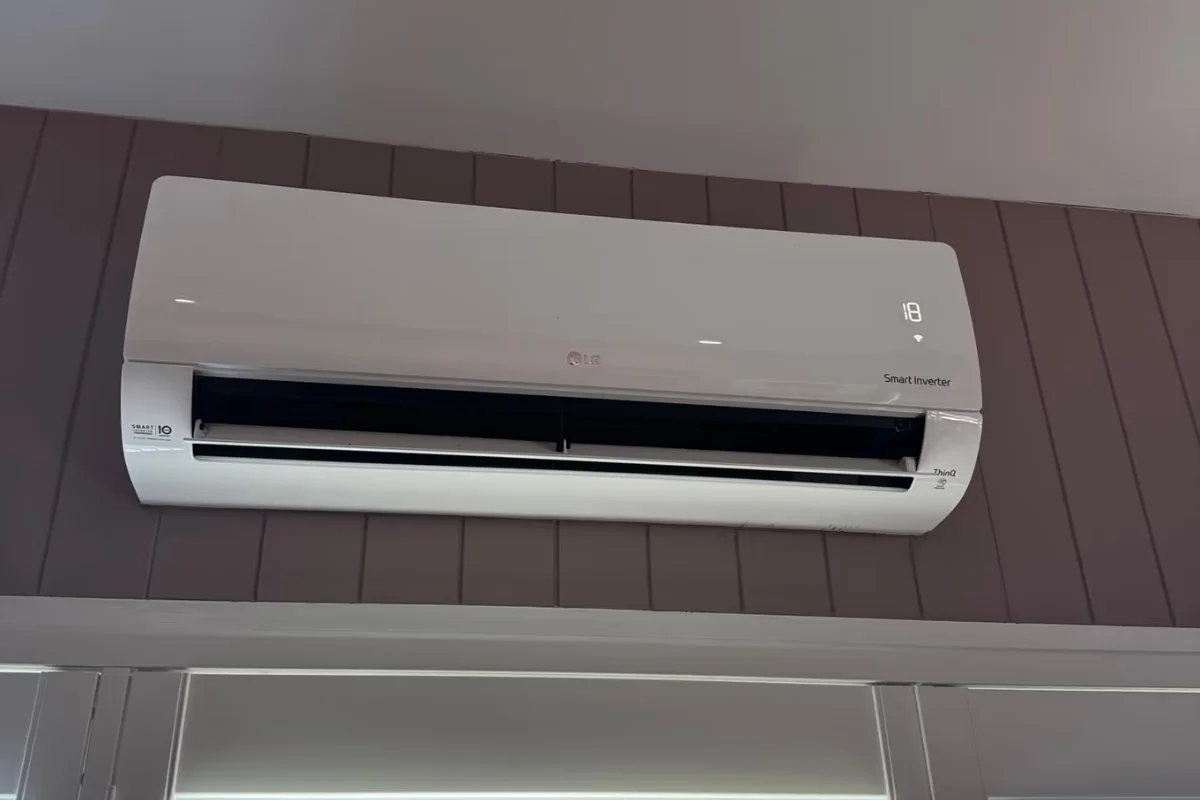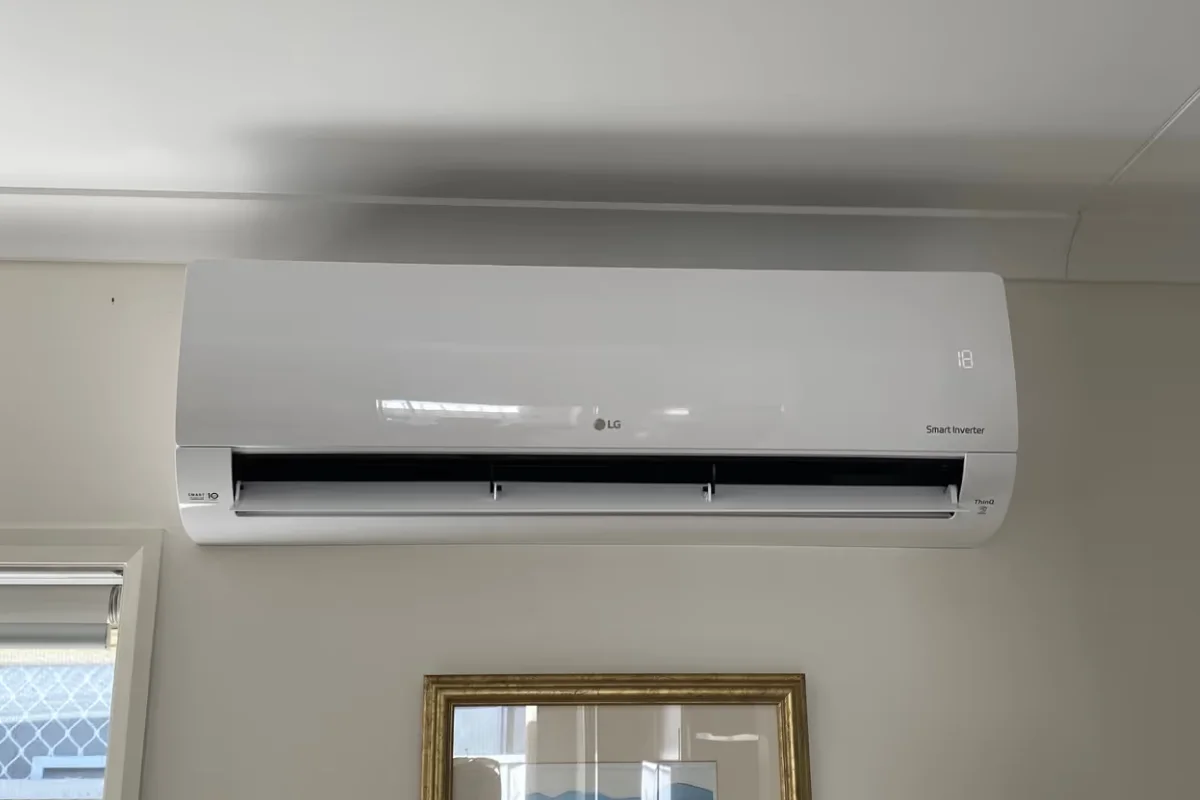
Most people treat WiFi-enabled air conditioning as a convenience feature. Turn it on before you get home. Turn it off from bed. That’s the pitch, and it’s not wrong. But it misses the more useful function sitting underneath it.
Every LG unit with ThinQ built in is quietly generating a runtime record. That record is an asset. Not for comfort. For cost control and equipment risk management.
If you own or manage property — a rental, a small commercial space, a handful of units across a portfolio — that data changes how you should think about heating and cooling spend.
Runtime Data Is a Cost Audit, Not a Convenience Feature
An air conditioner’s biggest cost isn’t the unit itself. It’s the electricity it consumes over years of operation, often invisibly, often without anyone checking.
Before app-connected systems, you found out about excess consumption one way: the power bill. By then, the waste had already happened. There was no way to isolate which unit caused it, when, or why.
ThinQ changes that. The app tracks draw per unit, in near real time. That turns a lagging indicator — the bill — into a leading one you can act on before the next billing cycle closes.
For a single homeowner, this is a nice-to-have. For anyone managing more than one property or tenancy, it’s the difference between guessing at operating costs and actually knowing them.
The Real Value Is in Comparison, Not the Single Reading
A power draw figure on its own tells you very little. Fifteen kilowatt-hours over a week could be normal or alarming, depending entirely on context.
The value appears when you compare units against each other. If two identical 2.5kW split systems in comparable rooms show meaningfully different draw, one of them is telling you something. Could be a dirty filter. Could be a refrigerant issue. Could be a door left open during heating hours.
Without connected data, that discrepancy stays invisible until performance degrades enough to notice by feel, or the unit fails outright. With it, you catch the drift early and schedule a service call before a breakdown forces one.
This is the same logic used in commercial asset management generally. Isolated numbers don’t drive decisions. Trends and comparisons do.
Scheduling Is Really About Removing Human Error From Cost
The scheduling function inside ThinQ gets framed as a lifestyle feature — warm room when you wake up, no heater running for an empty house. That’s accurate, but it understates what’s actually happening.
Every hour a unit runs without a person present to benefit from it is pure cost with no offsetting value. Manual control depends on someone remembering to switch a unit off. People forget. Staff leave rooms running. Tenants don’t think about your electricity bill the way you do.
A schedule removes that dependency entirely. It doesn’t rely on anyone’s memory or diligence. Once set, the system enforces the same low-waste pattern every single day, whether or not a human is paying attention that week.
For a property owner covering electricity as a landlord cost, or a small business owner running one standalone office split system, that’s not comfort automation. That’s a fixed control on a variable cost line, and DEEPCHILL’s overview of controlling heating from your phone with LG ThinQ covers the setup mechanics in more detail.
Multi-Unit Visibility Solves a Governance Problem, Not Just a Convenience One
Anyone managing several LG units — across a house, a small commercial building, or separate tenancies in one complex — has a governance problem hiding behind a comfort problem.
Without a shared control layer, each unit is effectively its own silo. Different people set different temperatures. Nobody has visibility into whether a unit three rooms away has been running unattended since Tuesday.
Centralising every unit into a single app doesn’t just save you walking between remotes. It gives you one point of accountability. You can see, from one screen, whether every unit is behaving the way you intended it to, across an entire property.
That matters more as the number of units grows. One unit, you can keep in your head. Five or six, spread across a building, and you need a system, not memory.
Where This Stops Being the Right Tool
It’s worth being direct about the limits. ThinQ-connected split systems are built for residential-scale spaces and small standalone commercial units — a single office, a self-contained tenancy.
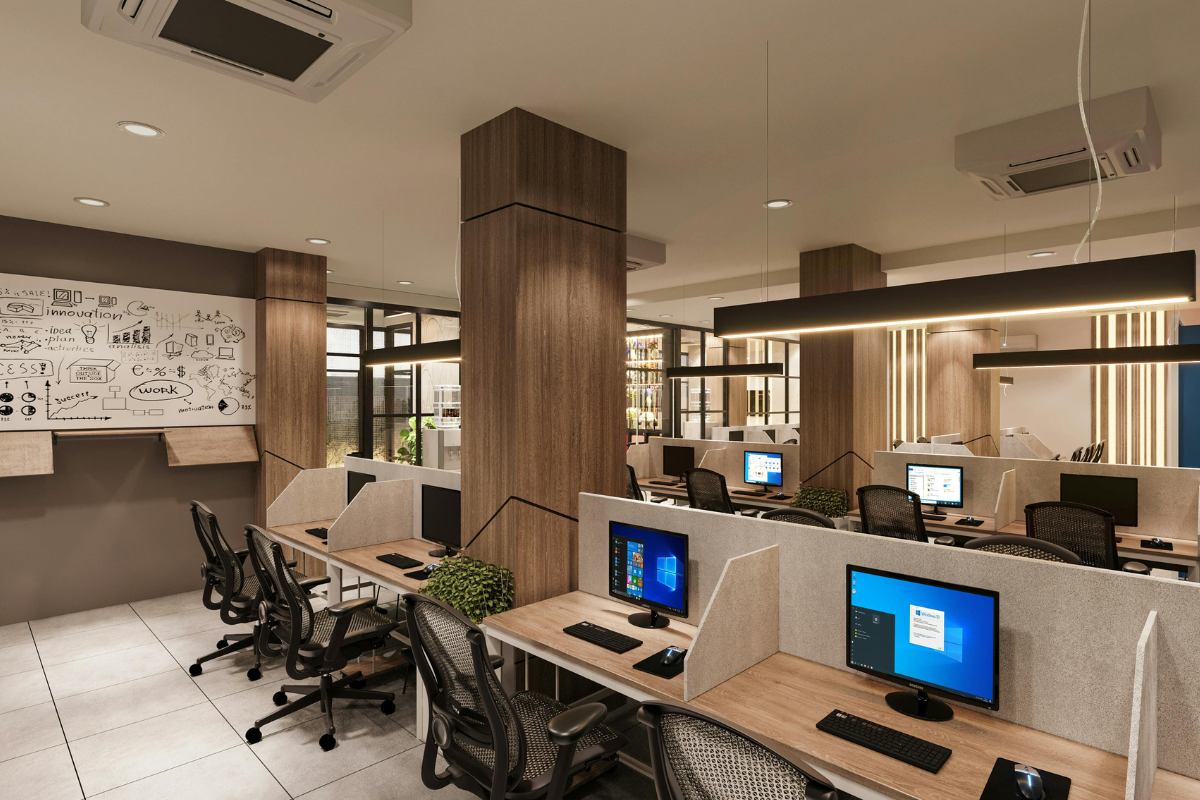
They are not designed for large open-plan or multi-room commercial buildings running on one central system. Warehouses, larger commercial floors, and multi-tenant buildings on shared plant need a different approach entirely, assessed at the site level rather than bolted onto a residential-grade unit.
If your property falls into that category, the fix isn’t a smarter app. It’s a commercial-grade system sized and designed for the building you actually have.
The Bigger Shift
WiFi control looks like a lifestyle upgrade on the surface. Underneath, it’s a shift from managing heating and cooling by habit to managing it by data.
For anyone responsible for a property’s running costs, that shift is worth taking seriously, well beyond the convenience of a phone app.
Source: https://deepchill.com.au/control-your-homes-heating-from-your-phone-with-lg-thinq/