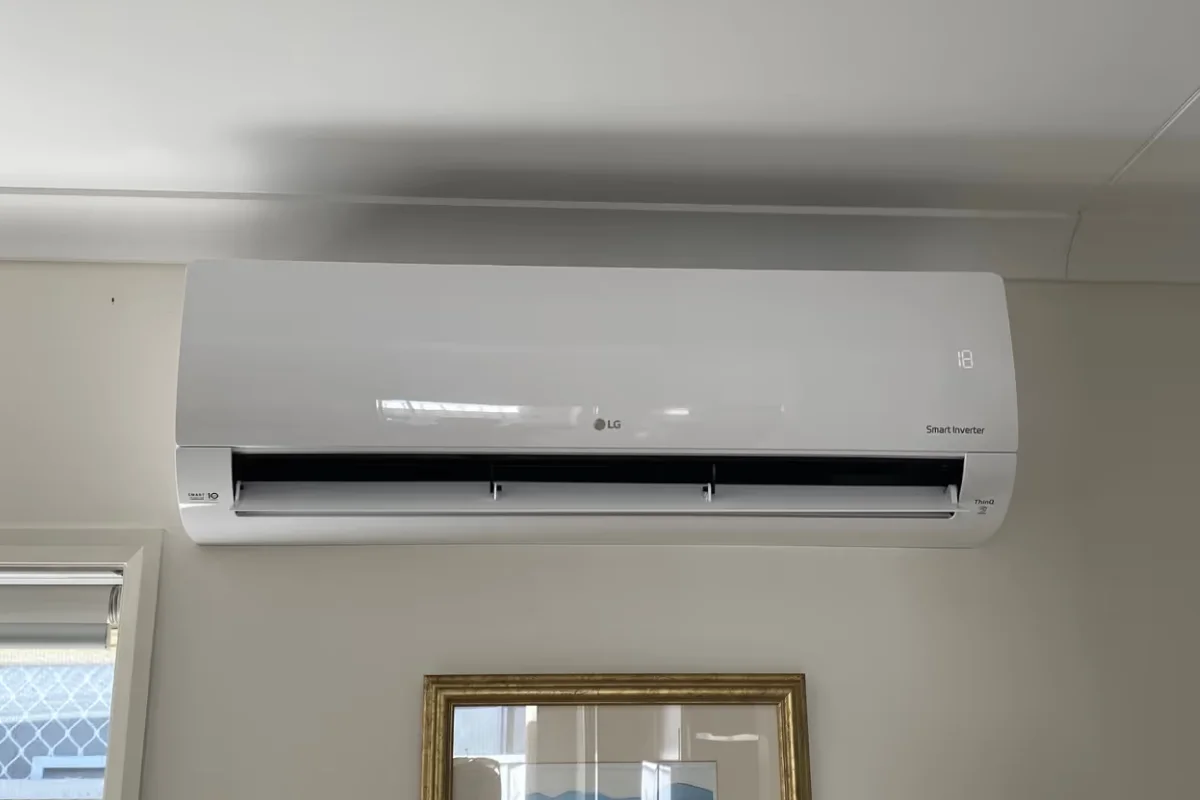
Most homeowners choose an air conditioner the way they choose a car. They pick the badge first. Then they justify it afterward. LG has earned that trust on the Gold Coast, and DeepChill Australia has written about why LG air conditioners suit Gold Coast homes this winter. But brand reputation only answers one part of a much bigger equation. The harder question is whether the unit matches your specific house, your specific coastline exposure, and your specific usage pattern. Get that wrong, and even the best brand underperforms.
Why Brand Trust Isn’t the Same as Correct Sizing
A reliable compressor doesn’t fix a badly matched system. Oversizing is the single most common mistake in residential HVAC decisions, and it happens quietly. A unit that’s too large for the room cools fast, then shuts off, then kicks back on minutes later. That cycling wastes energy and shortens component life. It also leaves humidity behind, because short cycles don’t run long enough to properly dehumidify the air.
Undersizing causes the opposite problem. The compressor runs constantly, straining to reach a temperature it can’t sustain. On Gold Coast humidity, that strain is worse than in a dry inland climate, because the unit is fighting moisture load as much as heat load.
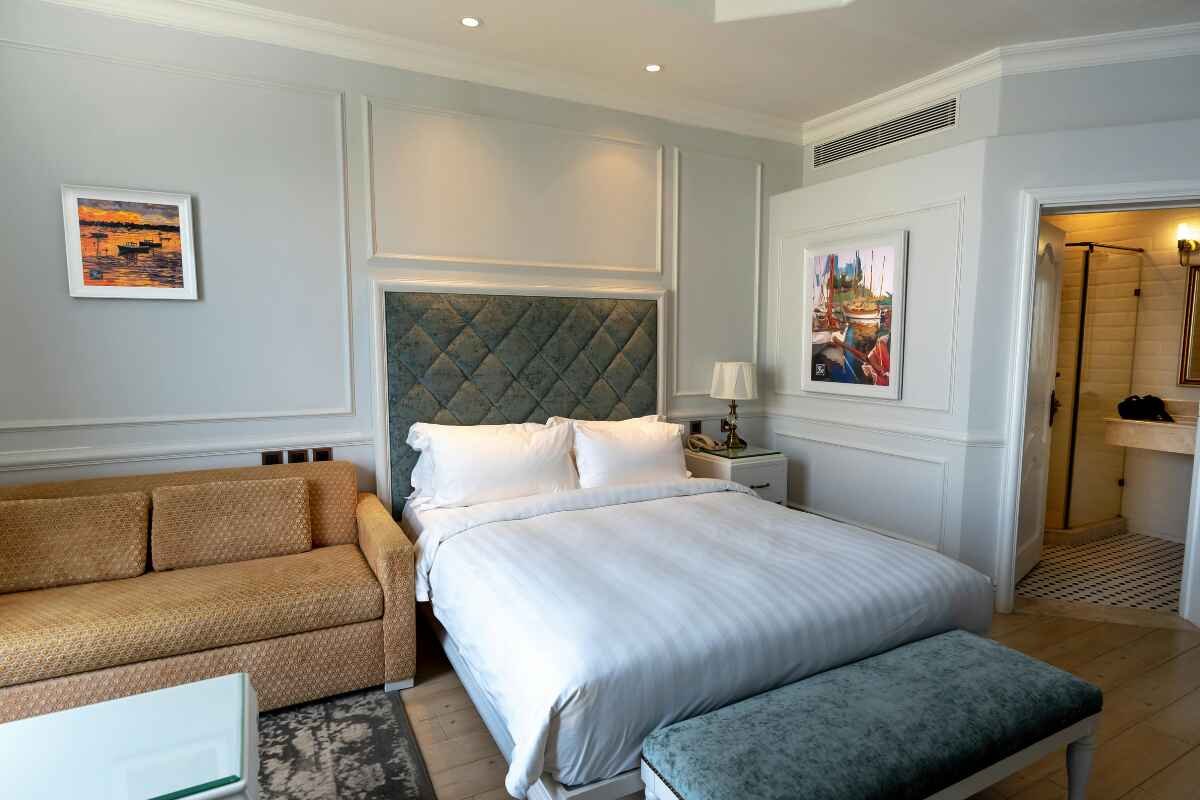
Sizing depends on room volume, insulation quality, window orientation, and ceiling height — not just square metres. A north-facing living room with floor-to-ceiling glass needs more capacity than a shaded southern bedroom of the same size. This is a calculation, not a guess, and it’s worth asking your installer to show their working.
The Coastal Corrosion Factor Nobody Puts in the Brochure
Gold Coast air conditioning has one variable that inland Australian homes don’t deal with at the same intensity: salt air. Outdoor condenser units sit exposed to airborne salt particles year-round, and that salt accelerates corrosion on coils, fins, and fasteners. A unit installed two kilometres from the beach ages differently than one installed twenty kilometres inland.
This matters more than most buying guides admit. A high-efficiency compressor loses its advantage if the outdoor unit corrodes prematurely and starts leaking refrigerant gas. Salt-air corrosion doesn’t announce itself with a dramatic failure. It shows up as slowly declining cooling performance, rising power bills, and eventually a gas leak that stops the system cooling altogether.
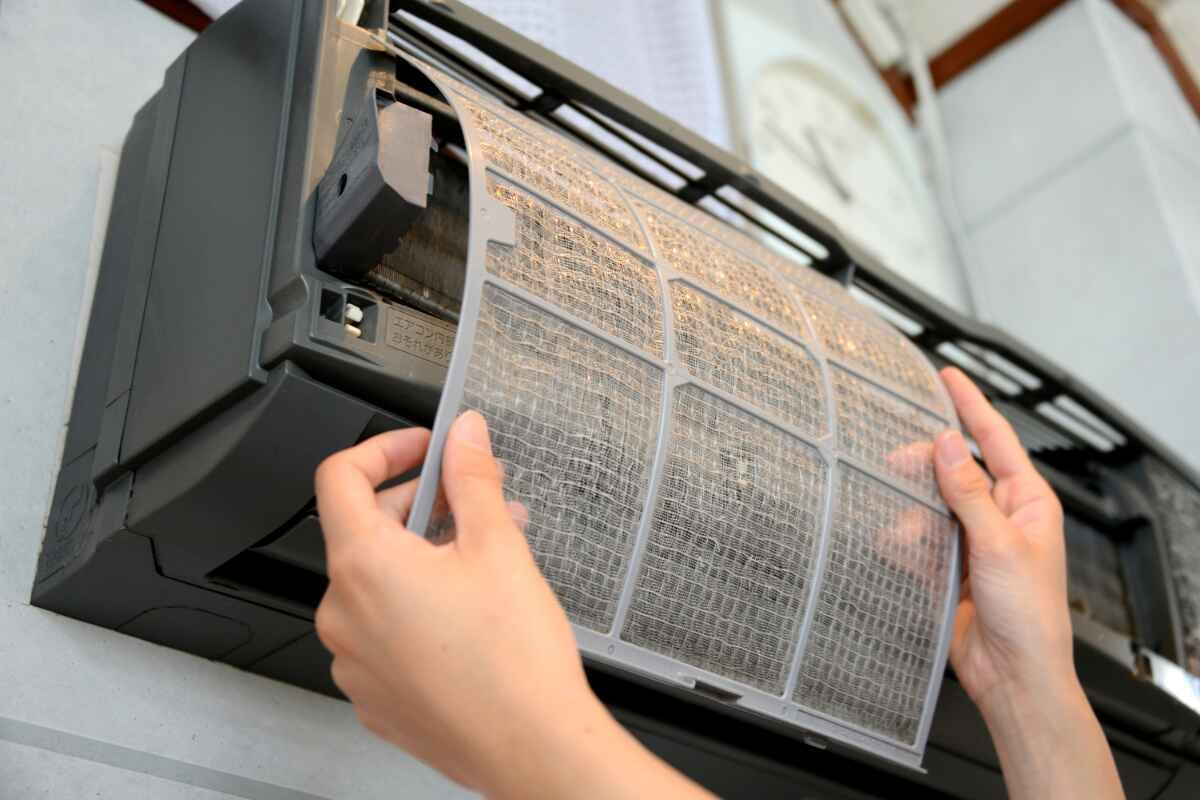
Coastal-rated coil coatings, sensible mounting height above ground splash, and regular outdoor unit servicing all extend the working life of any brand’s system. If you’re buying near the coast, ask specifically about corrosion protection — not just star ratings.
Running Cost Is a Behavioural Problem, Not Just a Spec Sheet
Inverter technology genuinely reduces power consumption compared to older fixed-speed units. That much is well established. But the bigger driver of your actual power bill is how the household uses the system, not the compressor type alone.
WiFi-enabled control, the kind now standard on most current split systems, is often marketed as a convenience feature. Its real value is behavioural. Households that can see their usage patterns and schedule pre-cooling or pre-heating tend to run their systems more efficiently than households guessing at a wall controller. Turning a unit on twenty minutes before arrival, rather than leaving it running all day “just in case,” is a habit that saves more than any hardware upgrade.
The same logic applies to temperature settings. Every degree below 24°C in cooling mode, or above 20°C in heating mode, adds meaningfully to compressor load. A well-specified unit run at aggressive settings will still cost more than a modest unit run sensibly.
Refrigerant Choice and the Practical Trade-Off
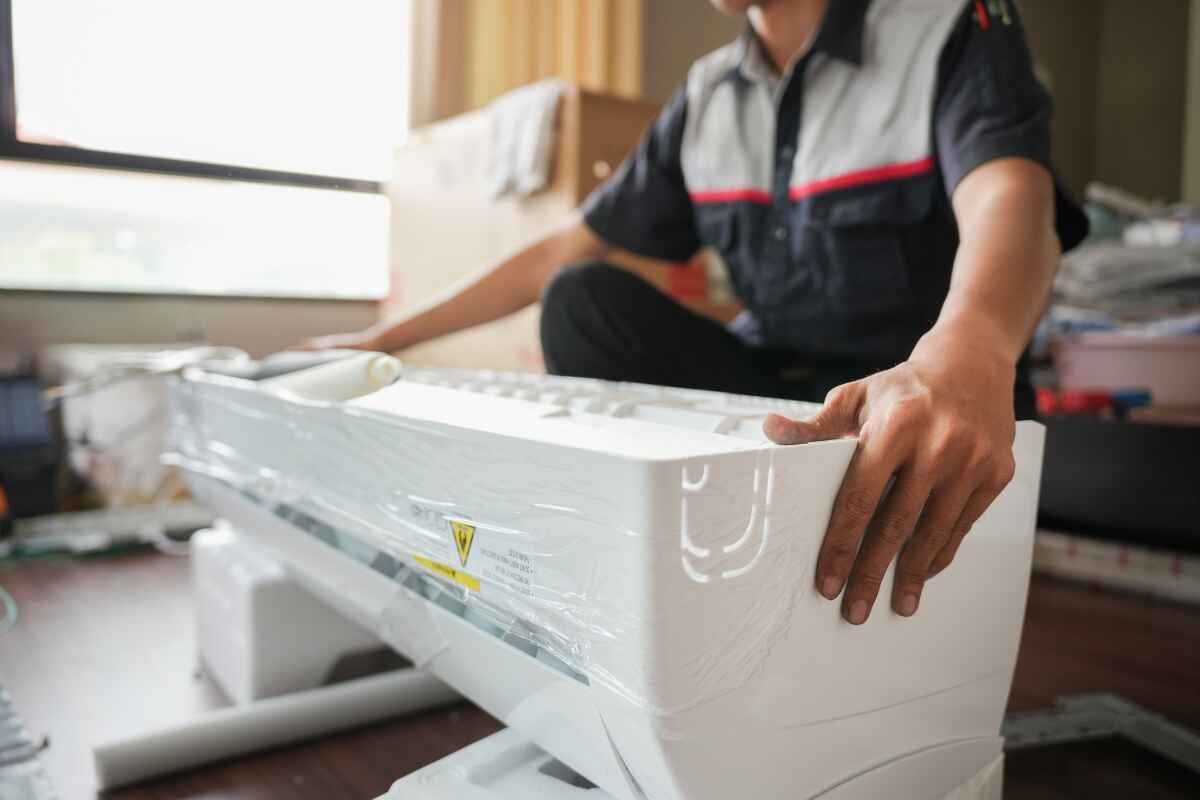
Newer refrigerants like R32 carry a lower environmental impact than older gases, and that’s a genuine improvement. What buyers should understand is the practical trade-off: R32 is mildly flammable under certain conditions, which is why correct installation and servicing by a licensed technician matters more than it did with older refrigerant types. This isn’t a reason to avoid it — it’s standard across the industry now — but it does raise the stakes on choosing an installer who follows proper handling procedure, not just a supplier who sells at a good price.
Warranty Terms Are a Signal, Not a Guarantee
A manufacturer’s warranty tells you the maker has confidence in the hardware. It says nothing about installation quality, and most warranty claims that get rejected fail on installation grounds — incorrect refrigerant charge, poor drainage, wrong bracket mounting — not manufacturing defects. For a full breakdown of the model range and features currently available, see this article: https://deepchill.com.au/lg-air-conditioner-why-gold-coast-homes-choose-it-this-winter/. That’s worth reading alongside this piece, because model specifics and installation quality are two separate decisions that both need to be right.
The Actual Decision Framework
Choosing an air conditioner for a Gold Coast home comes down to four questions, in this order: what capacity does this specific room need, how exposed is the installation site to salt air, what usage habits will the household actually maintain, and who is installing it. Brand reliability answers none of these directly — it only ensures the hardware itself won’t be the weak link. The weak link is almost always sizing, exposure, or installation, not the compressor badge on the outdoor unit.
Get those four questions right first. Then brand reputation becomes the tiebreaker it was always meant to be.
Source: https://deepchill.com.au/lg-air-conditioner-why-gold-coast-homes-choose-it-this-winter/