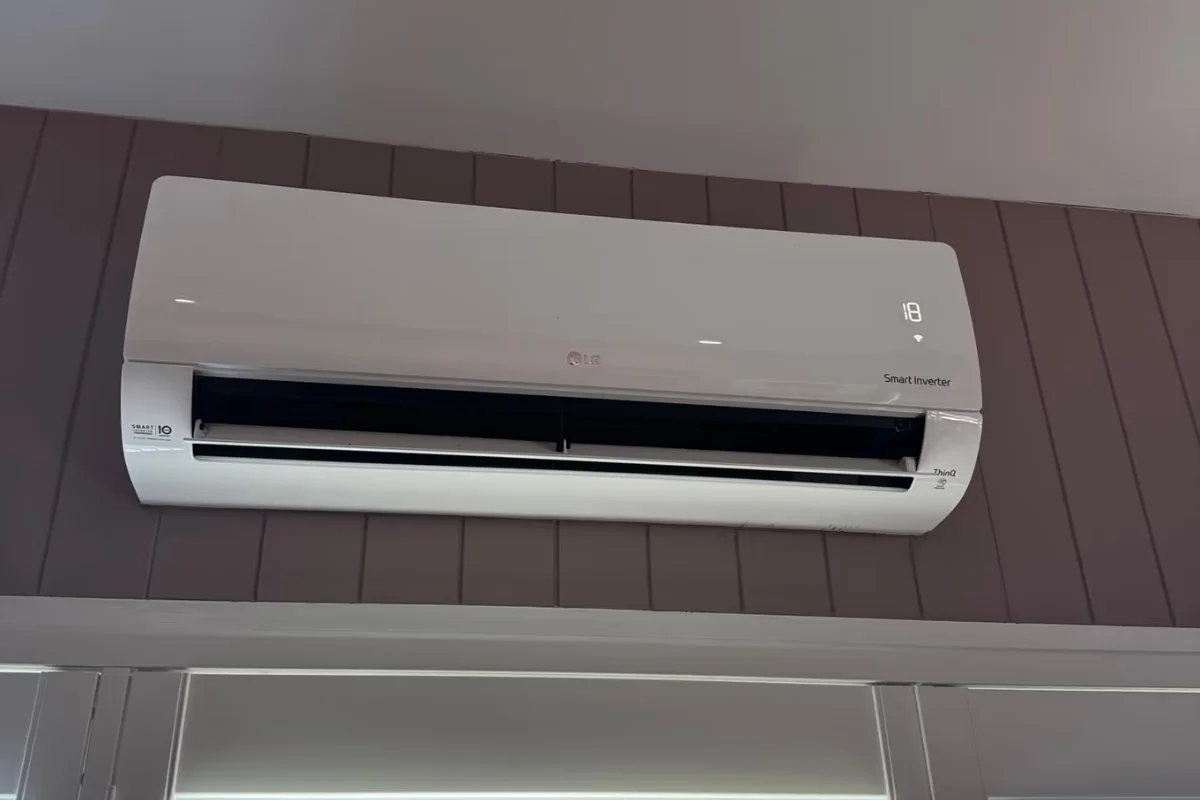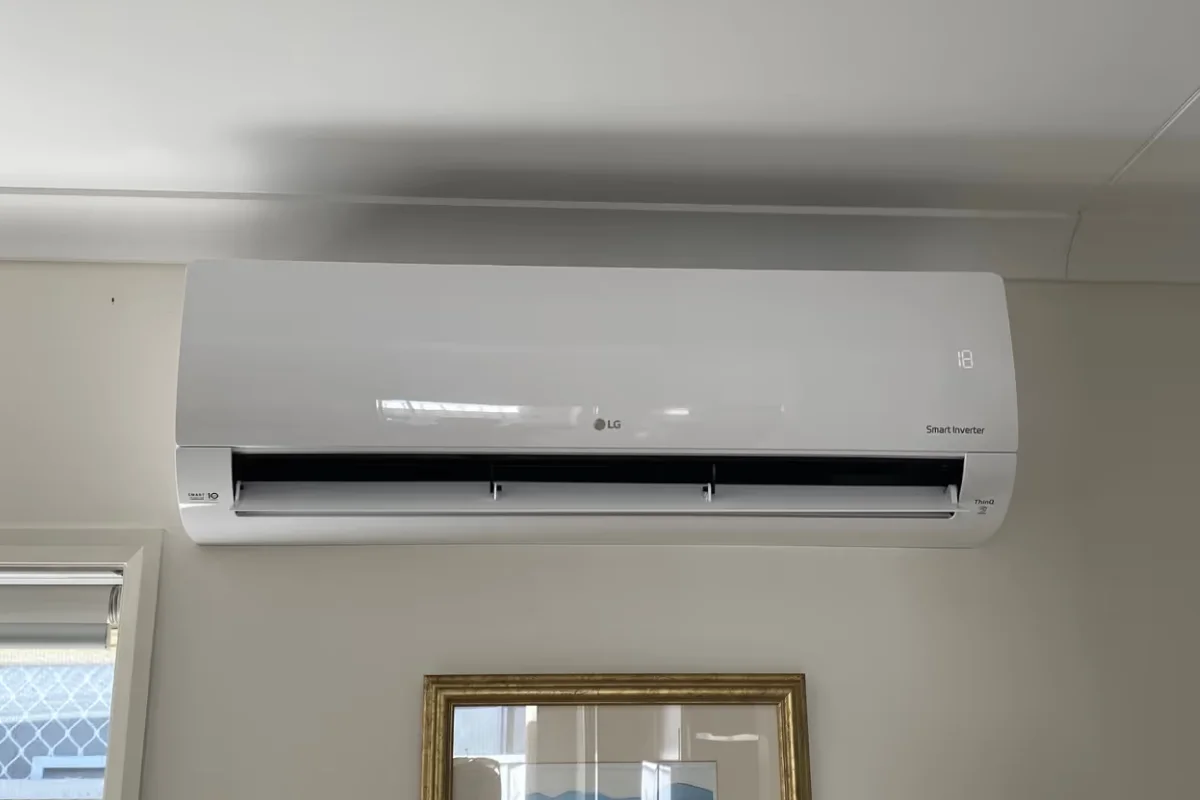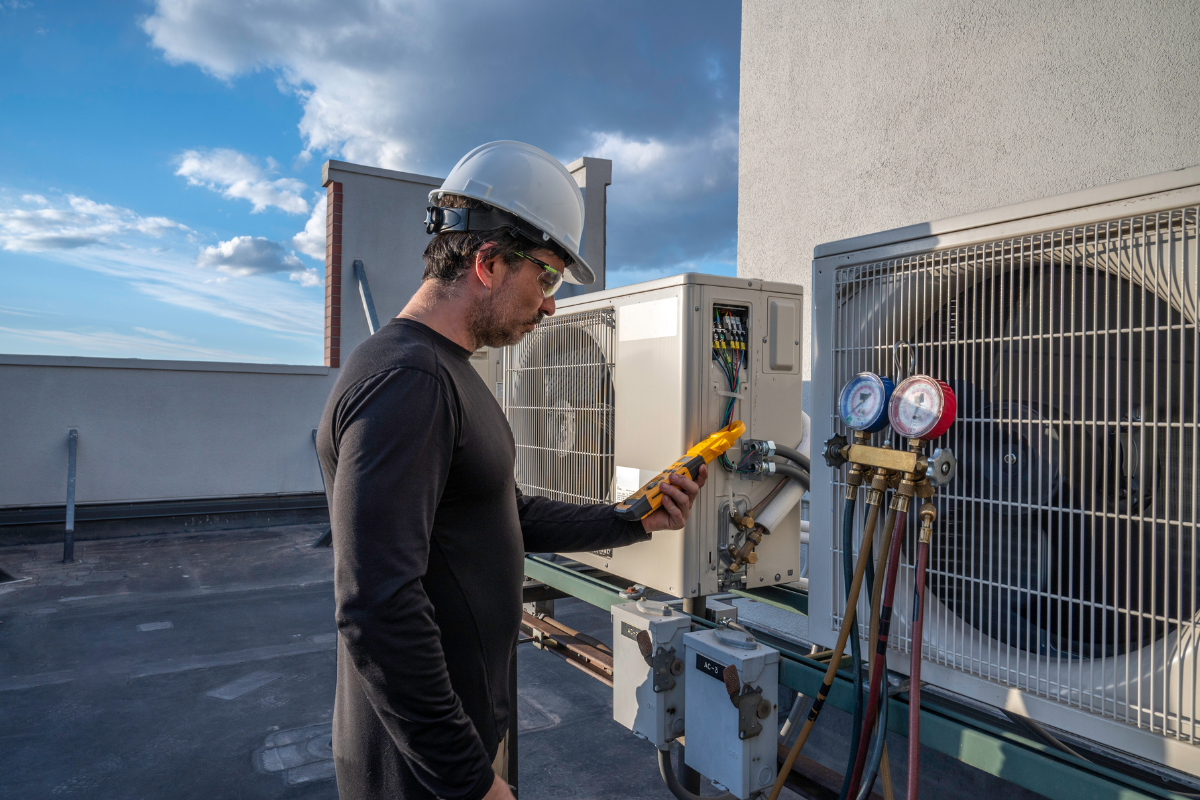
Every hotel promises comfort, but guests rarely notice it until something goes wrong. A perfectly heated room on a cold winter evening or a cool, quiet suite during a summer heatwave is easily taken for granted. A malfunctioning air conditioning system, however, can define an entire stay and leave a lasting negative impression that no amount of excellent customer service can completely erase.
For hotel operators, this reality changes how maintenance should be viewed. HVAC systems are no longer simply mechanical assets hidden behind walls and ceilings; they are part of the guest experience, energy strategy, and long-term financial performance. While many properties still rely on reactive maintenance—repairing equipment only after it fails—leading hospitality businesses increasingly recognise that preventative maintenance delivers far greater value than simply avoiding breakdowns.
The discussion becomes less about fixing air conditioners and more about protecting occupancy rates, operational efficiency, and brand reputation. DeepChill explores this perspective in greater detail at: https://deepchill.com.au/preventative-vs-reactive-maintenance-save-your-hotel-hvac/
The Hidden Costs of Waiting Until Something Breaks
Reactive maintenance often appears economical because expenses occur only when a problem becomes visible. At first glance, this seems like a practical way to control budgets. In reality, the opposite is often true.
HVAC failures rarely happen at convenient times. They are far more likely to occur during periods of peak demand, when systems are working hardest and hotels are operating close to full occupancy. Emergency repairs during these periods create a cascade of operational challenges. Maintenance teams face urgent call-outs, replacement parts may need to be sourced quickly, and guest rooms can become unavailable while repairs are completed.
Beyond the immediate repair invoice lies a much larger financial impact. Dissatisfied guests may request refunds or discounts, negative online reviews can discourage future bookings, and staff members are diverted from other responsibilities to manage complaints and room changes. These indirect costs frequently outweigh the repair itself.
Preventative maintenance changes this equation by identifying wear, inefficiencies, and developing faults before they evolve into disruptive failures. Instead of reacting under pressure, hotels gain the ability to schedule maintenance around occupancy patterns and operational priorities.
Guest Comfort Depends on Consistency, Not Just Functionality
Modern travellers expect climate control to work seamlessly. They are unlikely to praise a room because its heating or cooling performs as expected, but they are quick to notice unusual noises, inconsistent temperatures, unpleasant odours, or excessive humidity.
These seemingly minor issues influence overall perceptions of cleanliness, quality, and professionalism.
Hospitality is built on consistency. Every guest should receive the same comfortable experience regardless of the season or room location. Preventative HVAC servicing helps achieve that consistency by ensuring equipment performs within its intended operating range rather than merely continuing to function until complete failure occurs.
Well-maintained systems also provide better airflow and filtration, contributing to improved indoor air quality. As travellers become increasingly conscious of wellness and hygiene, clean and efficient air conditioning has become another component of premium guest service rather than an invisible utility.
Energy Efficiency Begins With Equipment Health
Hotels are among the most energy-intensive commercial buildings, with HVAC systems accounting for a significant proportion of electricity consumption. Even small reductions in system efficiency can translate into substantial increases in operating costs over the course of a year.
Dust accumulation, clogged filters, refrigerant imbalances, worn components, and poorly calibrated controls all force equipment to work harder than necessary. Although these issues may not immediately cause a breakdown, they steadily increase energy consumption while accelerating component wear.
Preventative maintenance restores systems to optimal operating conditions. Motors experience less strain, airflow improves, temperature control becomes more accurate, and equipment cycles more efficiently. The result is lower energy consumption without compromising guest comfort.
This operational efficiency becomes increasingly valuable as electricity prices fluctuate and sustainability expectations continue to grow across the hospitality industry.
Extending Asset Life Protects Capital Investment
Commercial HVAC systems represent one of the largest infrastructure investments within a hotel. Replacing chillers, rooftop units, ducted systems, or large-scale ventilation equipment requires significant capital expenditure and often disrupts normal operations.
The lifespan of these systems depends heavily on how consistently they are maintained.
Components that are cleaned, lubricated, inspected, and adjusted regularly experience less mechanical stress over time. Small issues such as loose electrical connections or minor refrigerant leaks can be corrected before they place additional strain on compressors, fans, and other expensive components.
Rather than viewing preventative maintenance as another operational expense, many hotel owners increasingly recognise it as an investment that protects existing capital assets and delays costly replacement projects.
This longer asset lifecycle improves budgeting certainty and allows capital expenditure to be directed towards guest-facing improvements instead of avoidable equipment failures.
Maintenance Data Is Becoming a Strategic Resource
One of the most significant developments in commercial building management is the increasing use of maintenance data to support operational decision-making.
Routine servicing generates valuable information about equipment performance, recurring faults, energy trends, and component lifespan. Over time, these insights allow hotel operators to identify patterns that would otherwise remain hidden.
Instead of simply responding to failures, facilities managers can predict future maintenance requirements, optimise replacement schedules, and make evidence-based investment decisions.
This shift from reactive problem-solving to proactive asset management reflects a broader evolution within hospitality operations. Maintenance is no longer viewed solely as a technical function but as part of a wider business strategy focused on reliability, efficiency, and guest satisfaction.
Hotels that embrace this approach position themselves to manage costs more effectively while reducing operational uncertainty.
Why Preventative Maintenance Supports Long-Term Brand Reputation
Brand reputation is built through thousands of small guest experiences rather than a handful of major marketing campaigns.
A comfortable night’s sleep, reliable room temperature, quiet operation, and consistently fresh indoor air all contribute to positive reviews, repeat bookings, and stronger customer loyalty. Conversely, even a single HVAC failure during an important stay can undermine months of marketing effort.
Preventative maintenance protects more than mechanical equipment. It safeguards guest confidence.
By reducing unexpected disruptions, improving operational efficiency, extending equipment life, and supporting consistent comfort, a proactive maintenance strategy delivers benefits that extend well beyond the engineering department.
Hotels increasingly compete on experience rather than price alone. Behind every memorable guest experience is infrastructure that performs reliably without drawing attention to itself.
For hotel operators seeking a deeper understanding of why preventative servicing consistently outperforms reactive repairs, DeepChill provides further practical insights here: https://deepchill.com.au/preventative-vs-reactive-maintenance-save-your-hotel-hvac/