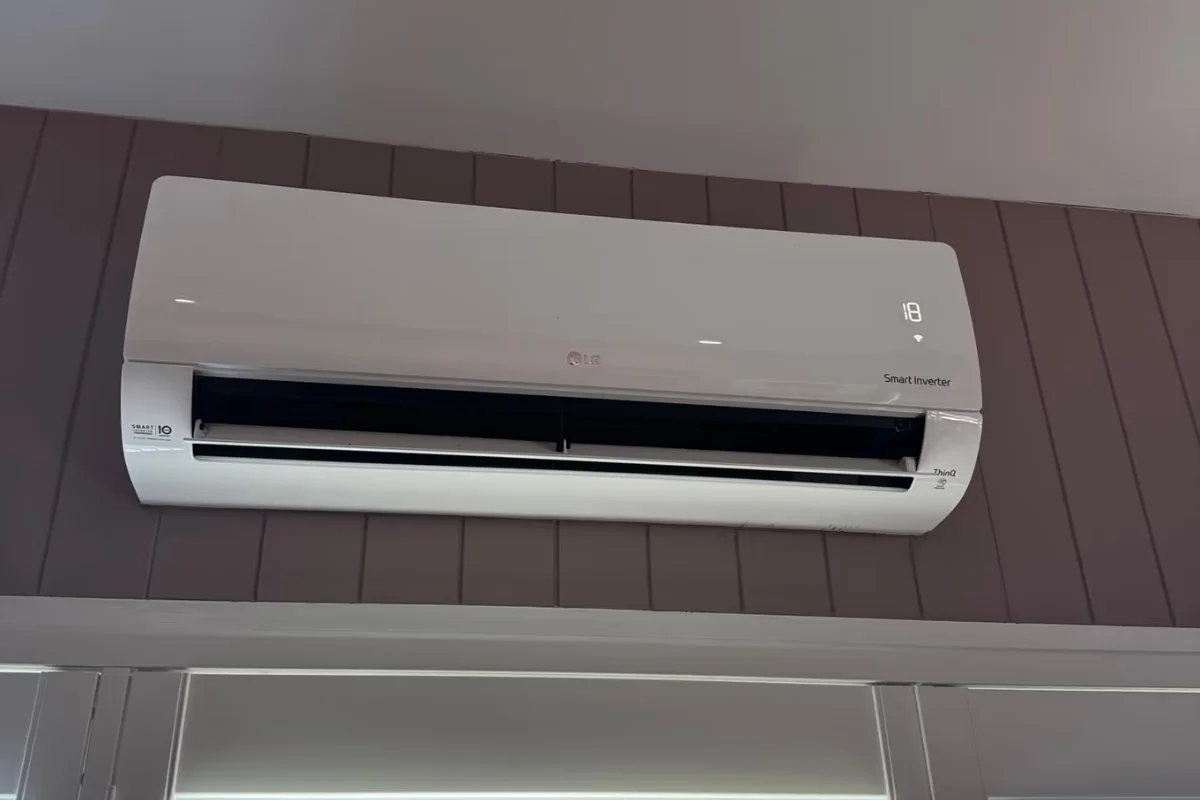
Most homeowners choosing an LG reverse cycle air conditioner ask one question: will it feel warm fast? That’s the wrong starting point. The real question is what the unit costs you to run over the next ten winters, and how badly a wrong-sized choice erodes that saving. Comfort is the easy part. The financial mechanics behind it are where most people get caught out.
The Heat Pump Is a Financial Instrument, Not Just a Comfort Device
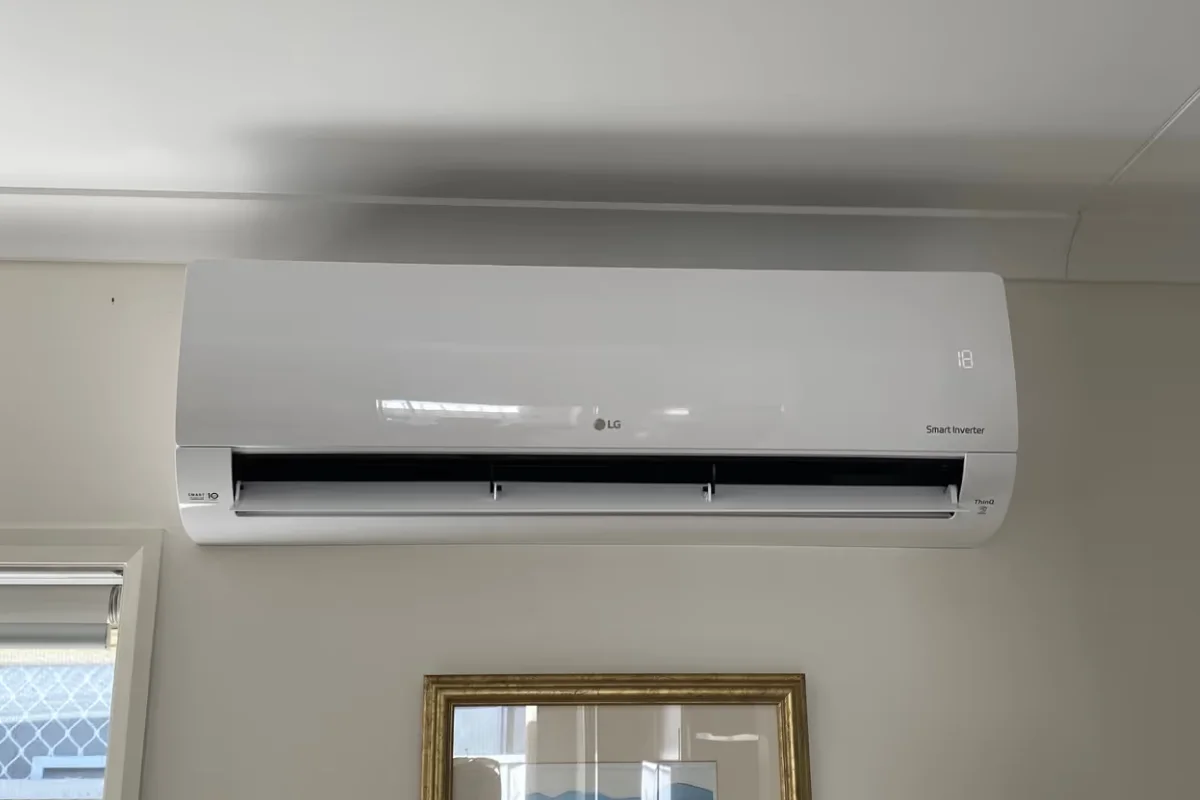
An LG reverse cycle system doesn’t generate heat the way a gas heater or electric bar radiator does. It moves existing warmth from outside air into your home using a compressor cycle. That distinction sounds technical, but it has a direct dollar value. Moving heat costs a fraction of the energy needed to create it, which is why reverse cycle systems routinely deliver three to four units of heat output for every unit of electricity consumed. A resistive electric heater delivers roughly one unit for one unit. Over a winter season, that gap compounds into a meaningful line item on your power bill, not a marginal one.
This is the part sales conversations skip. The unit’s coefficient of performance, not its brand name, is what determines your five-year running cost. Two units that look identical on a showroom floor can carry very different operating economics once you factor in climate, insulation, and how the compressor manages load.
Dual Inverter Technology Is a Cost-Control Mechanism
LG’s Dual Inverter compressor gets marketed as a comfort feature — no cold-hot cycling, steadier temperatures. That’s true, but it undersells what’s actually happening. Fixed-speed compressors in older units operate in binary mode: full power, then off, then full power again. Every restart draws a surge of current, and every off-cycle lets the room drift, forcing the next cycle to work harder to recover.
An inverter compressor modulates its speed continuously, matching output to actual heat loss from the room. That’s not just smoother comfort. It’s a mechanical strategy for reducing peak draw and total kilowatt-hours consumed per degree of warmth delivered. For a household running heating six to eight hours a day through a Gold Coast winter, that efficiency difference shows up as real dollars, not a marketing footnote.
Sizing Errors Are the Single Biggest Cost Risk
Here’s where most of the financial damage actually happens, and it’s not about the unit itself. It’s about capacity mismatch. An undersized unit for the room never reaches the coefficient-of-performance sweet spot — it runs at maximum output constantly, chasing a temperature it can’t hold efficiently. An oversized unit short-cycles, switching on and off before it stabilises, which wastes energy on startup draw repeatedly through the evening.
Either mistake quietly erases the efficiency gains that justified buying reverse cycle in the first place. A 2.5kW unit suits a bedroom or study. A 7.2kW unit suits an open living and dining area. Get that wrong in either direction and you’re paying for capacity you don’t use, or paying a premium in wasted cycling to compensate for capacity you don’t have. For a deeper breakdown of how LG’s heating actually performs room to room, see this article: https://deepchill.com.au/how-an-lg-reverse-cycle-air-conditioner-heats-your-home-fast/.
Single-Room Units Don’t Scale to Whole-Home Economics
A single wall-mounted split system heating one room is a different financial proposition to a multi-room or whole-home heating strategy. Buying room-by-room, unit by unit, without a coordinated design, often costs more in aggregate than a properly engineered system sized to the whole property’s heat-loss profile.
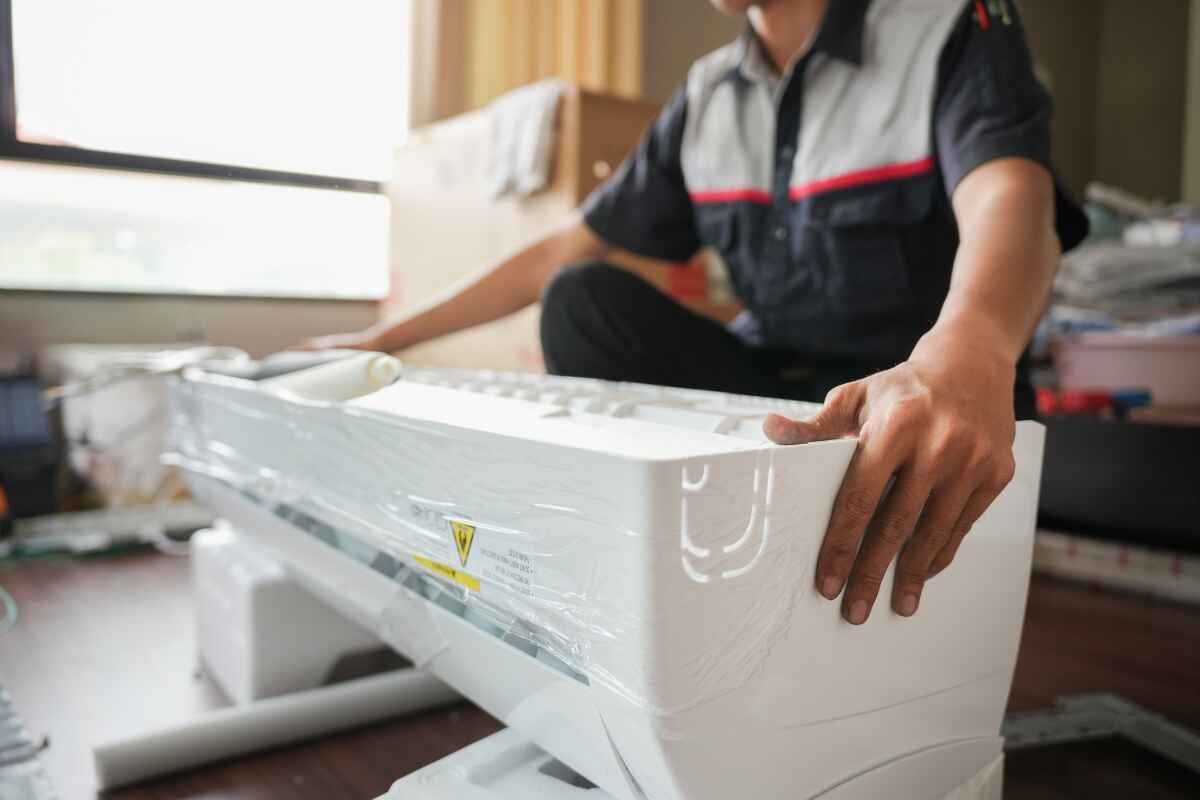
This is the point where a DIY approach to sizing breaks down. A homeowner comparing per-unit sale prices is optimising the wrong variable. The real cost driver is total system design: how many zones, how the compressor capacity is distributed, and whether the ductwork or wall-unit placement matches actual room heat-loss rates. Getting a professional assessment before purchase is not an upsell — it’s the mechanism that protects the running-cost advantage reverse cycle is supposed to deliver.
WiFi Control Adds a Small But Real Efficiency Lever
Remote scheduling isn’t just convenience. Pre-heating a room only when it’s about to be occupied, rather than running heating continuously or restarting it cold, reduces the number of high-draw startup cycles a unit performs across a week. It’s a minor lever compared to correct sizing, but it compounds over a season.
The Real Decision Isn’t LG vs. Another Brand
Homeowners often frame the choice as brand versus brand. That misses the actual variable that determines your outcome: whether the unit is matched to the room, and whether the compressor technology inside it is designed to modulate rather than cycle on and off. LG’s Dual Inverter architecture is a genuine efficiency mechanism, not just a spec sheet line. But it only pays off when sizing is correct.
Before buying, get the room’s heat-loss profile assessed rather than picking a kilowatt rating off a sale flyer. The unit you install this winter will still be running your heating bill in 2036. Treat the purchase decision accordingly.
Source: https://deepchill.com.au/how-an-lg-reverse-cycle-air-conditioner-heats-your-home-fast/