Most people size an air conditioner by eyeballing the room. That’s a mistake. Capacity should match heat load, not floor area. Get this wrong and you’ll pay for it every summer.
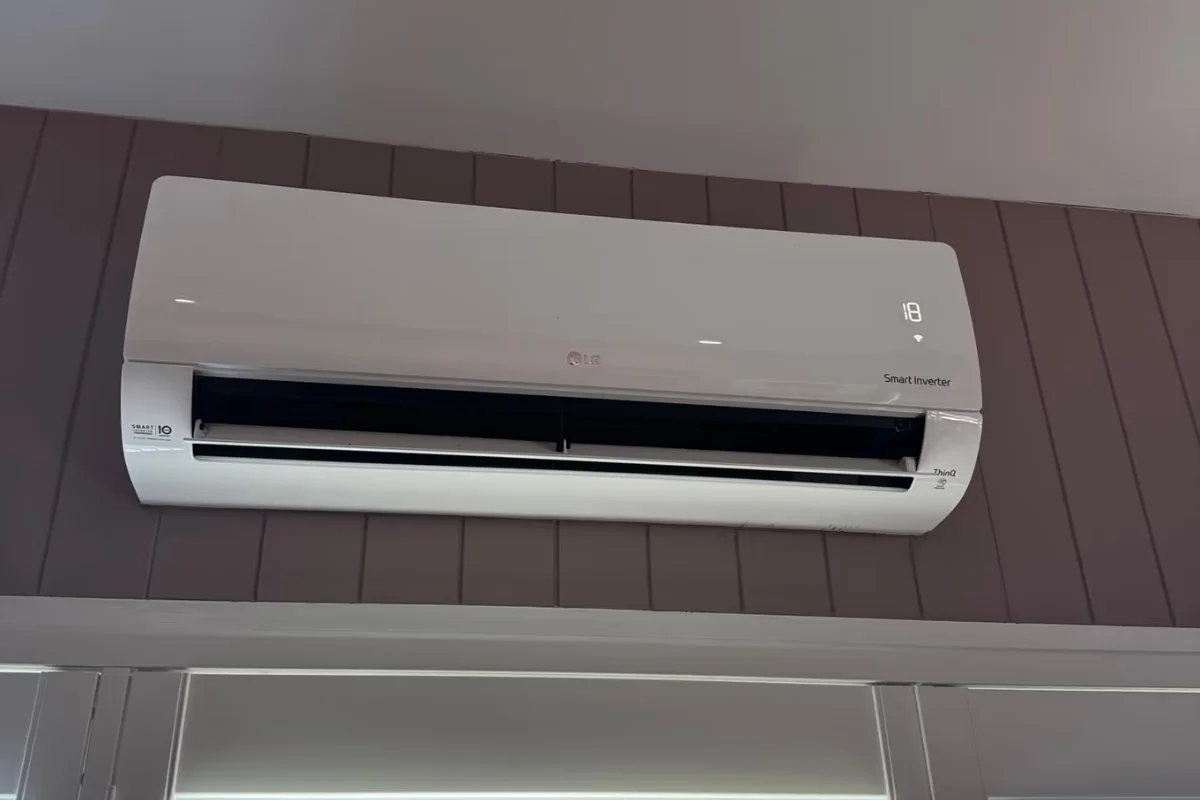
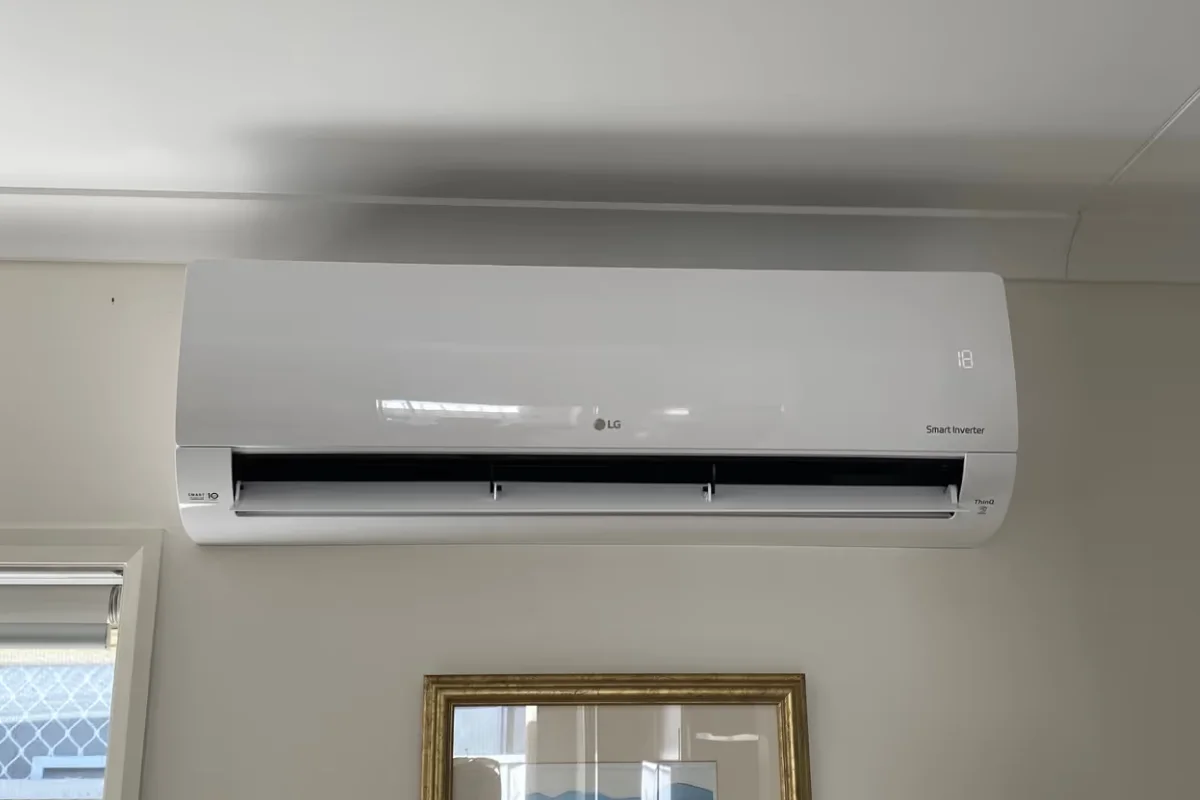
DEEPCHILL’s recent breakdown of the LG 2.5kW versus 7.2kW split systems gives a useful starting point. Small room, small unit. Large open-plan space, bigger unit. That’s a fair rule of thumb. But it skips the engineering underneath the recommendation. Understanding that engineering saves you from an expensive guess.
What “Heat Load” Actually Means
Every room absorbs and generates heat constantly. Sunlight through windows. Body heat from people. Appliances running. Heat leaking through walls and ceilings. An air conditioner’s job is to remove that heat faster than it accumulates.
Capacity, measured in kW, tells you how much heat the unit can remove per hour. A 2.5kW unit removes roughly 2.5 kilowatts of heat energy hourly. A 7.2kW unit removes nearly three times that. The question isn’t “how big is my room?” It’s “how much heat does my room generate and absorb?”
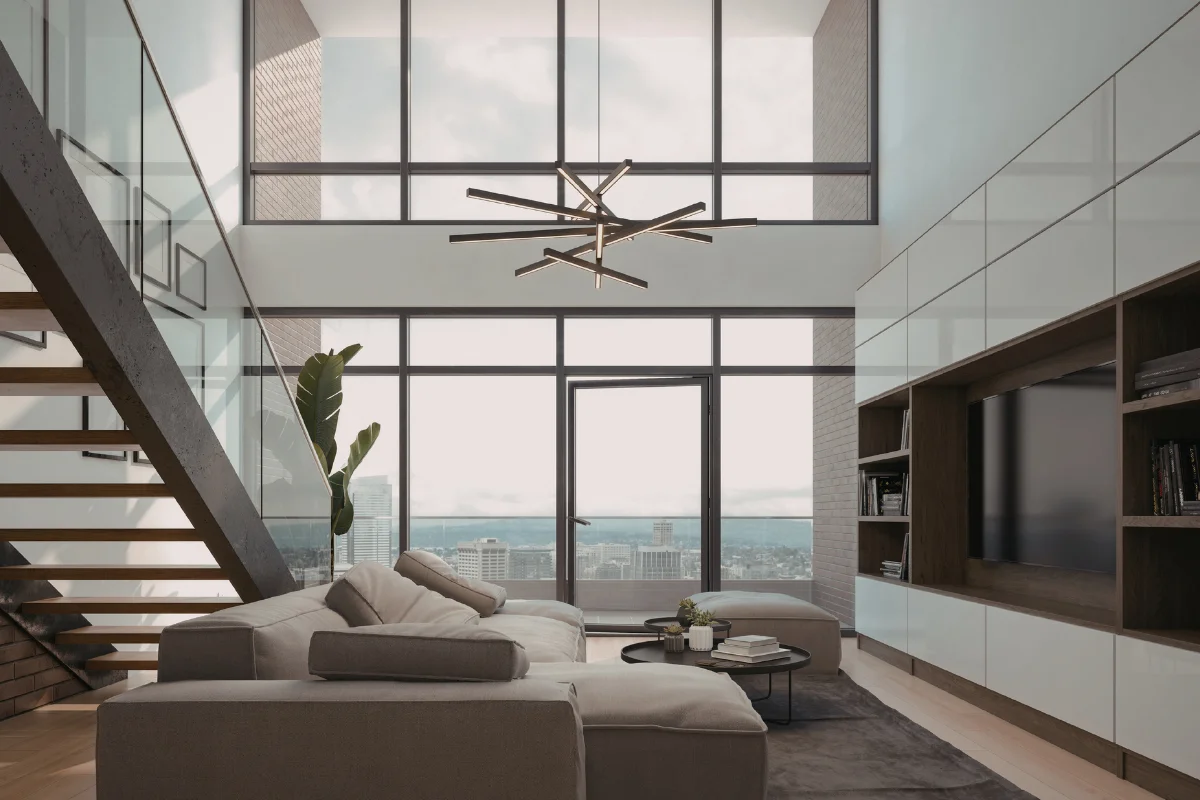
Two identical 20-square-metre rooms can have wildly different heat loads. One faces west with floor-to-ceiling glass. The other faces south with small windows and good insulation. The west-facing room might need double the cooling capacity, despite matching square footage exactly.
Why Oversizing Feels Like a Win But Isn’t
Buying a bigger unit “to be safe” sounds sensible. It isn’t. Oversized units cool the room fast, then shut off. This is called short-cycling.
Short-cycling causes two problems. First, the compressor never runs long enough to properly dehumidify the air. You get a cold, clammy room instead of comfortable air. Second, constant starting and stopping wears out components faster. Compressors are designed for sustained runs, not rapid on-off cycles.
There’s also a straightforward economic cost. A 7.2kW unit installed in a room that only needs 3.5kW draws more power at startup and offers no comfort benefit. You’ve paid more upfront for a unit that performs worse and dies sooner.
Why Undersizing Is Worse Than It Looks
An undersized unit runs constantly at full output and still can’t reach the target temperature. This isn’t just uncomfortable. It’s expensive.
Compressors operating continuously at maximum load consume more energy than one cycling normally. You end up paying peak-demand electricity rates around the clock during hot months. The unit also ages faster under sustained full-load stress, shortening its working life significantly.
Undersizing usually happens when people size for the room they see today, not the room as it actually performs. A north-facing living room with an open kitchen and a wall of glass needs far more capacity than the square metreage suggests.
The Variables That Actually Drive the Number
Four factors matter more than floor area when calculating real heat load:
Orientation and glazing. North and west-facing rooms in Queensland absorb significant solar heat through the afternoon. More glass means more heat gain, regardless of room size.
Ceiling height. A 3-metre ceiling holds noticeably more air volume than a standard 2.4-metre ceiling. That extra volume needs cooling too, even in an identical footprint.
Insulation and sealing. A well-insulated, well-sealed room holds its temperature. A draughty room with gaps under doors loses conditioned air constantly, forcing the unit to work harder just to maintain baseline comfort.
Occupancy and equipment. Rooms with several people, a home office setup, or entertainment equipment running generate meaningfully more internal heat than an empty bedroom.
Applying This to the LG 2.5kW vs 7.2kW Decision
The DEEPCHILL sizing guide splits these two LG units cleanly: 2.5kW for bedrooms and small single rooms, 7.2kW for large open-plan living zones. That split holds up as a baseline. But baseline isn’t precision.
A west-facing bedroom with large windows might outgrow a 2.5kW unit on a 35-degree Gold Coast afternoon. A well-shaded, well-insulated open-plan space might run comfortably on less than 7.2kW. The kW number on the box is a starting point for a conversation, not the final answer.
This matters more on the Gold Coast than in milder climates. Long, humid summers push units into extended run times. A poorly matched unit here doesn’t just underperform occasionally. It underperforms for months, every year, on every hot afternoon.
Multi-Room Homes Need a Different Calculation Entirely
Single-room split systems, including both LG units discussed above, are built for exactly one space. They’re not designed to condition a whole house, and stretching one across multiple rooms or an open floor plan with high ceilings produces the same short-cycling and underperformance problems described earlier, just distributed unevenly.
Whole-home cooling needs a proper design process. That means calculating heat load room by room, then deciding between multiple single splits or a ducted system sized for the entire layout. Skipping that step to save on an assessment fee almost always costs more later, through higher power bills and premature equipment failure.
The Real Takeaway
Room size is a proxy for heat load, not a substitute for it. Orientation, glazing, insulation, ceiling height and occupancy all shift the real number up or down. Before buying based on a kW label alone, run the actual heat-load numbers, or have someone qualified run them for you.
Source: https://deepchill.com.au/what-size-lg-air-conditioner-do-you-need-2-5kw-vs-7-2kw/