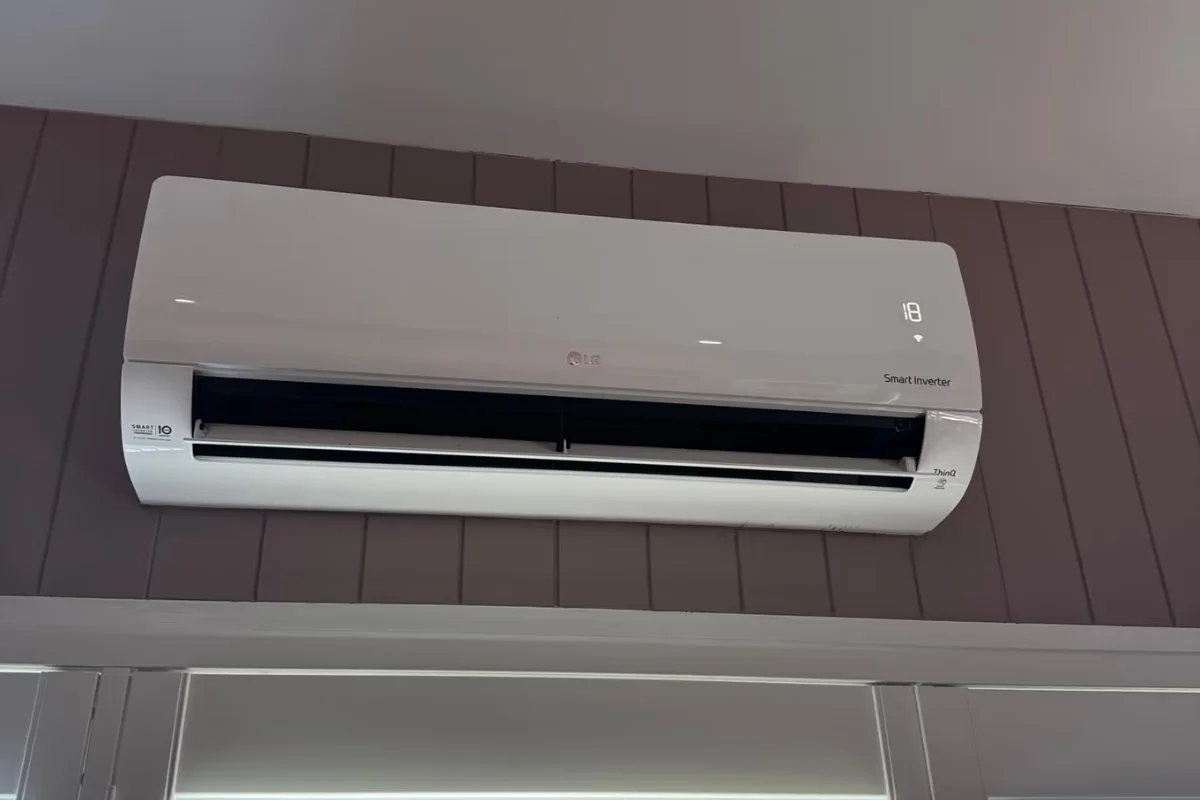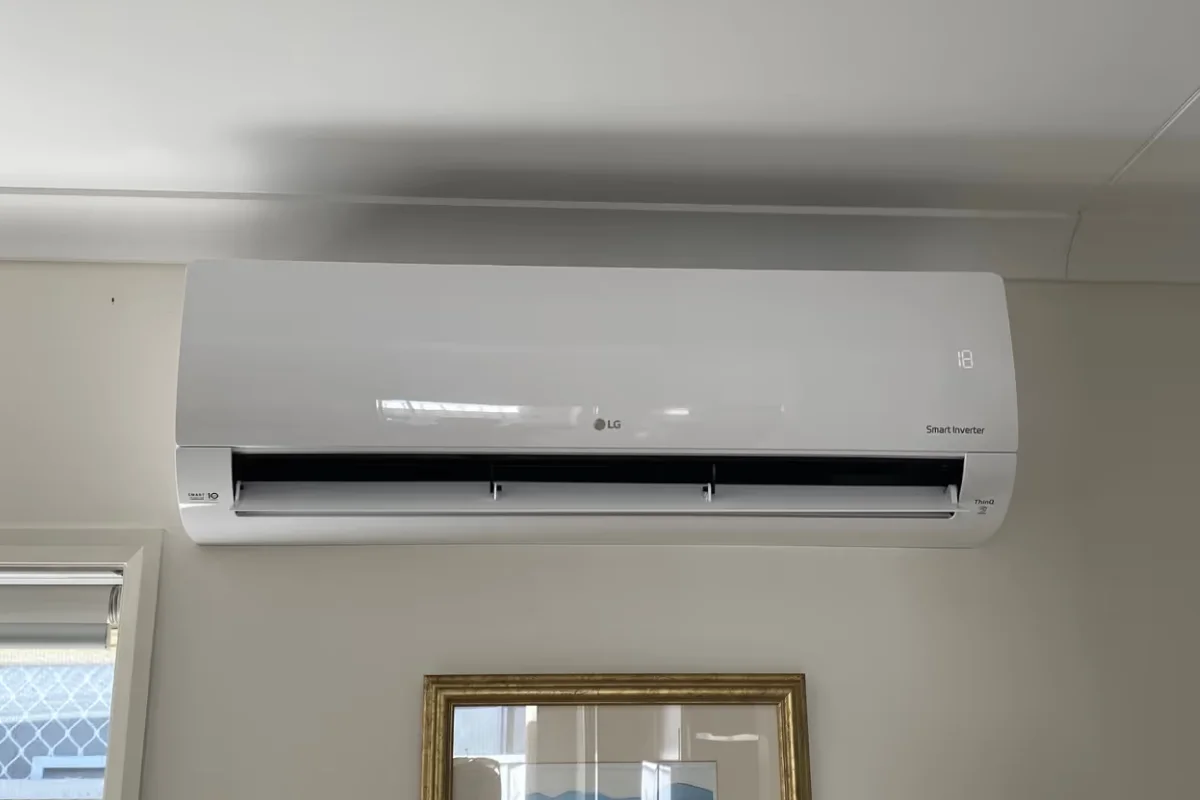
Most resort operators treat air conditioning cleaning as a maintenance formality. That assumption gets expensive every winter. When Gold Coast hotels seal up rooms against the cold, they also seal guests inside whatever has been accumulating in the ductwork since summer. This isn’t a hygiene footnote. It’s a measurable business risk with a traceable path to your review scores, your compliance exposure, and your equipment lifespan.
The Mechanics Nobody Budgets For
Cooling systems run near-constantly through a Gold Coast summer. That extended runtime pulls humid air across coils and barrel fans for months, and moisture plus organic debris is exactly what mould needs to establish itself. Through summer, the same units are also expelling that air outward, so the buildup stays largely contained.
Winter reverses the airflow logic. Heating mode pushes air across those same contaminated internal surfaces, then guests close every window to hold in the warmth. The result is a sealed room recirculating whatever has colonised the coil since March. Facilities managers who only schedule cleaning before peak summer demand are missing the exact window when indoor air quality risk peaks.
This is a seasonal blind spot, not a one-off oversight. If your maintenance calendar treats HVAC servicing as a single annual event timed around summer load, you are systematically absent for the season when contamination reaches occupied rooms.
Why This Is a Financial Problem, Not Just a Comfort One
Consider what actually happens when a guest experiences a musty room in winter. They don’t file a maintenance ticket. They post a review. Unlike a slow lift or a noisy corridor, indoor air quality complaints read as health concerns, and health-adjacent complaints carry disproportionate weight in traveller decision-making. A handful of “mouldy smell” mentions on a booking platform does more damage to conversion than a dated lobby ever will.
There’s a second, quieter cost: equipment degradation. Mould and organic buildup don’t just affect what guests smell. They accumulate on coil surfaces, restricting airflow and forcing units to work harder to hit set temperatures. That translates directly into higher energy draw and accelerated wear on compressors and fan motors. A resort running dozens of split systems or a VRF network across multiple floors compounds this cost across every affected unit, every month, until the system is properly cleaned.
Treated this way, a winter hydro clean isn’t a cosmetic service. It’s asset protection with a direct line to energy spend, equipment replacement schedules, and online reputation. Facilities managers evaluating capital and maintenance budgets should weigh it against those categories, not against general housekeeping.
Why Filter Cleaning Alone Doesn’t Solve It
Standard maintenance packages typically cover filter changes and basic visual checks. That’s necessary but insufficient. Filters catch airborne particulate before it reaches the coil. They do almost nothing for mould that has already established itself deeper in the unit, particularly on barrel fans and internal coil surfaces where moisture lingers longest.
For a deeper breakdown of how deep internal mould differs from filter-level dust and why standard servicing misses it, see DeepChill’s explanation at https://deepchill.com.au/why-gold-coast-resorts-need-a-winter-hydro-clean/.
A proper hydro clean uses controlled high-pressure water to physically dislodge buildup that filter changes can’t reach, followed by a sanitising treatment applied directly to internal surfaces. The distinction matters operationally: filter servicing is preventative maintenance for airflow efficiency, while hydro cleaning is remedial treatment for contamination that has already occurred. Resorts need both, on different schedules, for different reasons.
Building a Realistic Maintenance Calendar
If you manage HVAC across a resort or multi-property portfolio, the practical takeaway is scheduling, not urgency. Deep cleaning shouldn’t wait until a guest complaint forces reactive action. The optimal window sits in late autumn, before heating mode activates and before rooms are sealed for winter. This timing interrupts the transfer of summer-accumulated contamination into the season when it does the most reputational damage.
For facilities managers running larger properties, this also means treating hydro cleaning as a distinct line item separate from routine servicing contracts, with its own trigger date tied to the shoulder season rather than bundled into a generic annual maintenance visit. Properties with heavier summer occupancy, and therefore heavier compressor runtime, should treat this timing as non-negotiable rather than discretionary.
There’s also a documentation angle worth considering. Hotels increasingly face indoor air quality questions from corporate travel bookers and event organisers who ask about health and safety standards before signing contracts. A documented, scheduled hydro cleaning program is evidence you can point to, not just a claim in marketing copy.
The Bottom Line for Facilities Managers
Winter hydro cleaning sits at the intersection of guest experience, energy cost, equipment longevity, and reputational risk. Framing it purely as a comfort upgrade undersells its actual function. Framing it as a scheduled asset-protection measure, timed correctly against Gold Coast’s seasonal load patterns, is the more accurate and more defensible way to justify the spend to ownership.
Source: https://deepchill.com.au/why-gold-coast-resorts-need-a-winter-hydro-clean/