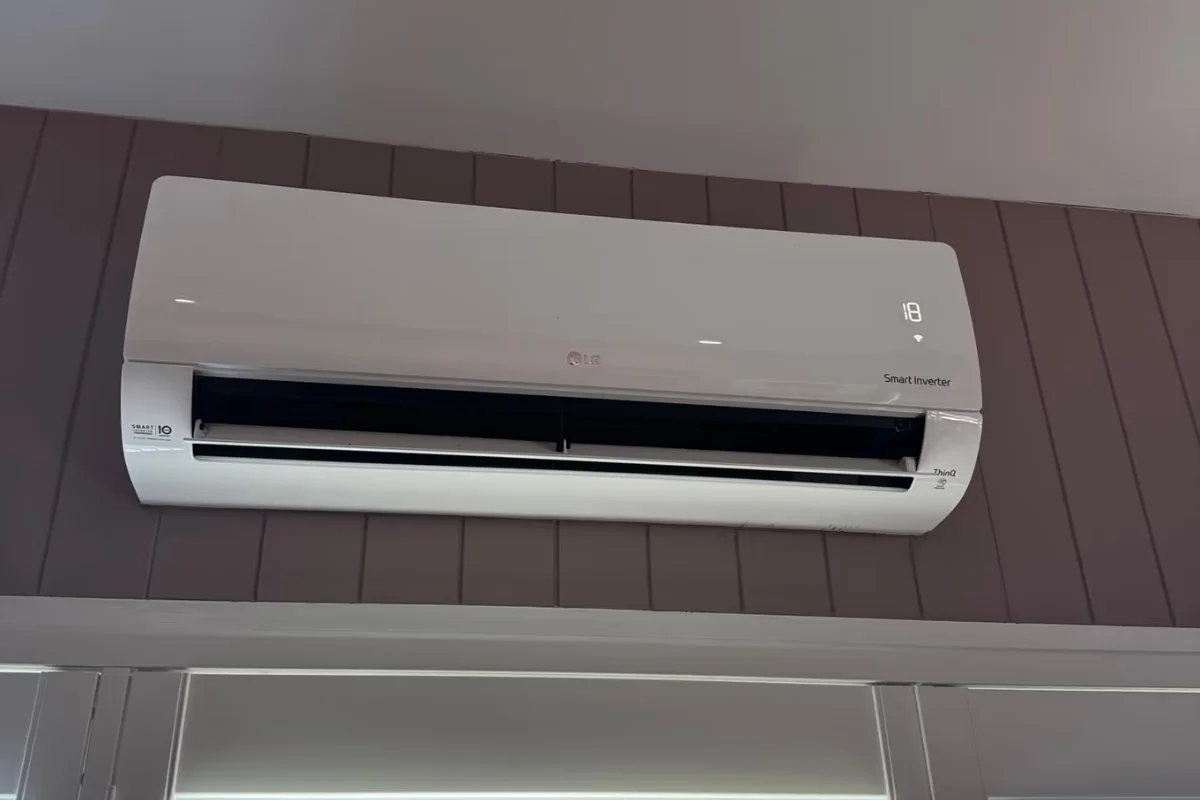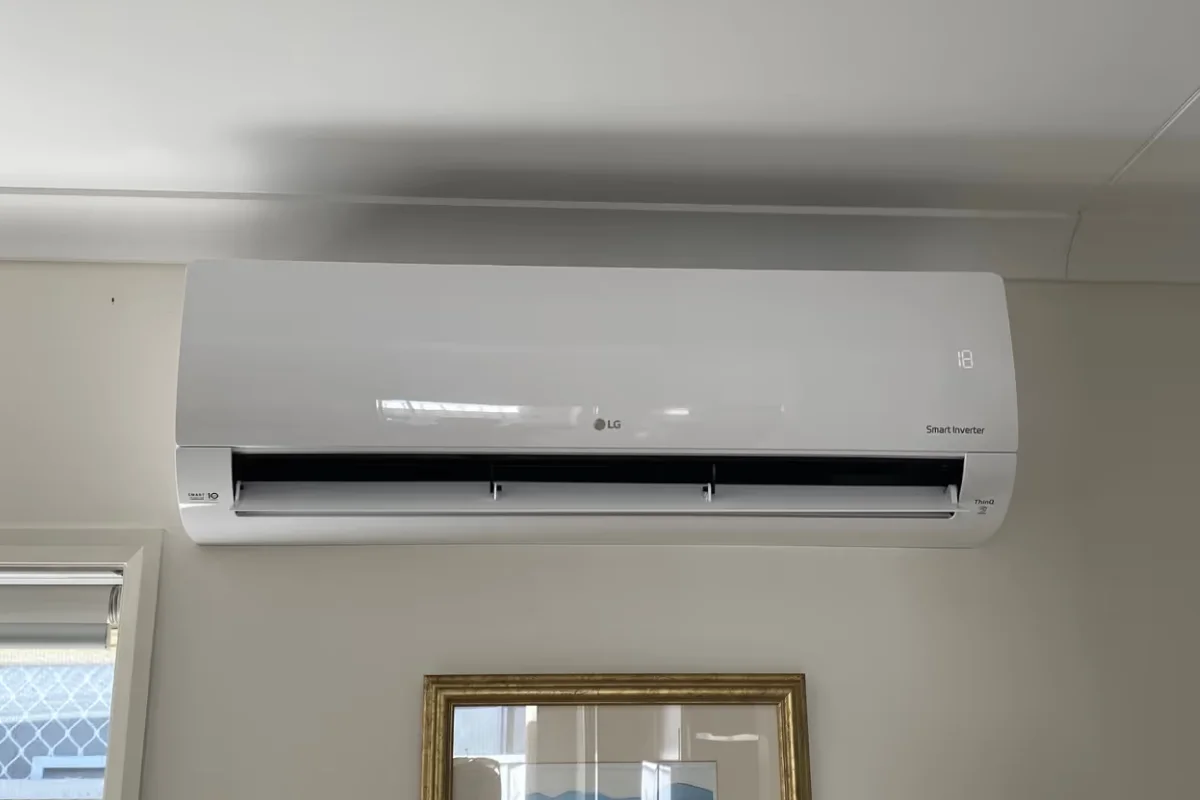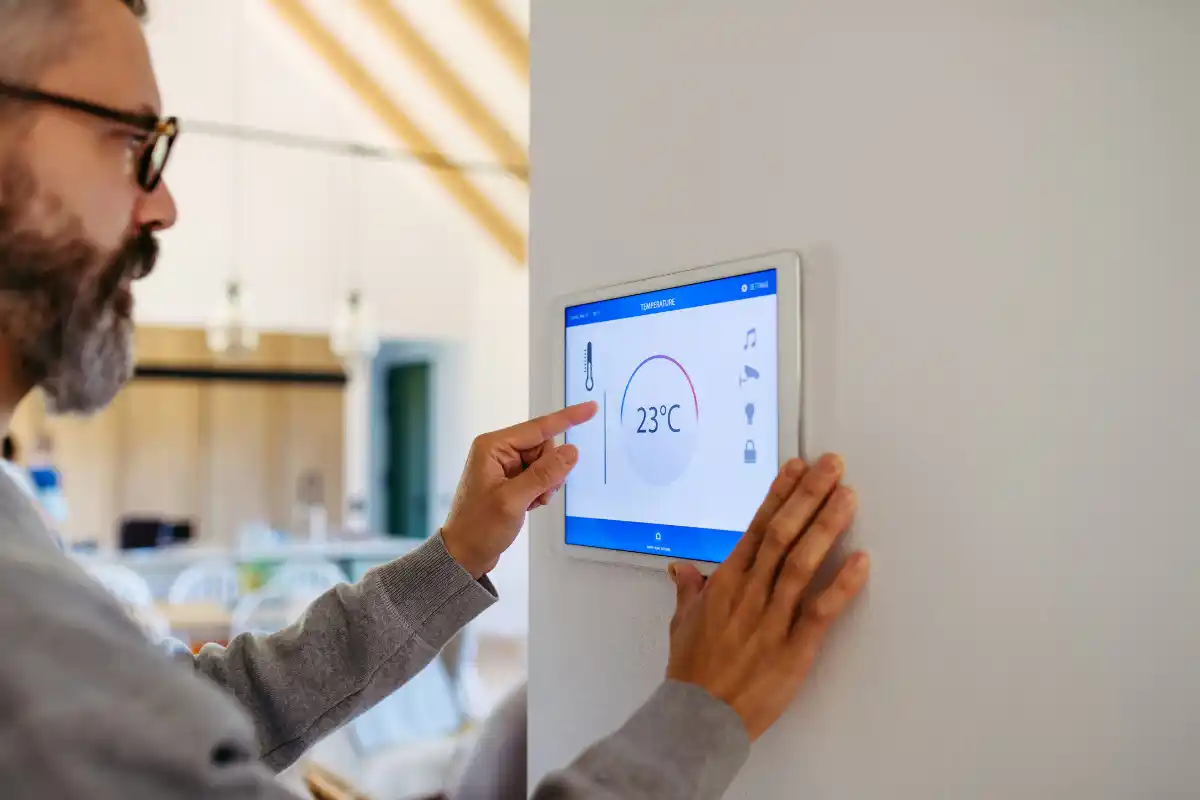
For decades, air conditioning has been treated as a “set it and forget it” appliance. You walk into a room, press a button on a plastic remote, and hope the temperature lands somewhere near comfortable. That model is now showing its age. As homes become more connected and energy costs climb, the question is no longer whether your air conditioner cools the room — it’s whether your air conditioner thinks. anywAiR technology, developed by Fujitsu General, is one of the clearest answers to that shift, and understanding how it actually works reveals why remote climate control has become a serious feature rather than a marketing gimmick.
The Real Problem anywAiR Was Built to Solve
The conventional infrared remote has two structural weaknesses that most homeowners only notice once they’ve lived without them. First, it requires line-of-sight, which means the moment you step outside the room — let alone the house — you lose all control. Second, it offers no feedback loop. You cannot verify whether the unit is running, what temperature it’s set to, or whether someone left it on overnight.
anywAiR removes both limitations by replacing the infrared link with a Wi-Fi connection that ties the indoor unit to a cloud service and a smartphone app. The shift sounds incremental, but the implications compound quickly. Once a unit is addressable from anywhere, it stops being a passive appliance and starts behaving like a node in a household system — one you can monitor, schedule, and integrate with the rest of your digital life.
Why Remote Access Changes Energy Behavior
The most underappreciated benefit of anywAiR is behavioral, not mechanical. Households that can check their air conditioner remotely tend to use it more deliberately. If you realize at 2pm that the system has been running since morning in an empty house, you turn it off. If a heatwave is forecast and you want the bedroom pre-cooled before you arrive home, you start it on the train. Neither action saves dramatic amounts of energy on its own, but across a year these micro-decisions can meaningfully shift consumption patterns.
This matters in a climate like the Gold Coast, where humidity and long cooling seasons make air conditioning one of the largest line items on a household electricity bill. For a deeper breakdown of how this plays out in coastal Queensland conditions, refer to this article: https://deepchill.com.au/anywair-control-gold-coast-climate-from-anywhere-anytime/
The point is that anywAiR doesn’t make the compressor more efficient — Fujitsu’s inverter technology already handles that. What it does is close the gap between the homeowner’s intent and the machine’s behavior, and that gap is where most household energy waste actually lives.
The Technical Architecture, Briefly
How the connection holds together
The anywAiR module connects the indoor unit to your home Wi-Fi network, which then communicates with Fujitsu’s cloud servers. Your phone talks to the cloud, and the cloud relays instructions to the unit. This three-way structure is why you can control the system from another country, but it also means a stable router and decent Wi-Fi coverage in the room are non-negotiable. Installations fail more often because of weak signal at the indoor unit than because of any fault in the technology itself.
What the app actually exposes
Beyond on/off and temperature, the app surfaces fan speed, mode, scheduling, and — depending on the unit — humidity targets, economy modes, and zone behavior in multi-split systems. The scheduling layer is where most users find unexpected value. Setting a recurring weekday pattern that matches your actual routine is more energy-effective than manually adjusting the thermostat, because it removes the decision from your daily attention.
Where anywAiR Fits in a Smart Home Strategy
A common mistake is treating anywAiR as a standalone gadget. It works best when considered alongside the other connected systems in the home. Voice control through Google Assistant or Amazon Alexa, for instance, lets you hand off routine adjustments to spoken commands, which is genuinely useful when you’re cooking or carrying groceries. More importantly, integrating air conditioning into broader automation — linked to occupancy sensors, door contacts, or weather data — moves the system from reactive to anticipatory.
There are trade-offs worth naming. Cloud-dependent control means an internet outage temporarily reduces you to manual operation. Privacy-conscious users should also understand that usage data flows through Fujitsu’s servers, which is standard for this category but not zero-cost. And app interfaces evolve over the lifespan of an air conditioner, so the experience you have at year one may differ at year eight as software updates roll out — or stop rolling out.
Practical Considerations Before You Commit
If you’re weighing anywAiR against a non-connected unit, the honest assessment is this: the hardware premium is modest, but the value depends on whether you’ll actually use the remote features. Households with predictable schedules and strong existing routines may find the benefit marginal. Households with irregular hours, multiple occupants, holiday homes, or rental properties tend to extract substantially more value, because the alternative — driving home to turn off the air conditioner — is genuinely costly.
For installations, ensure the indoor unit sits within reliable Wi-Fi range. Pairing the module is straightforward, but troubleshooting connectivity months later is the most common service call, and it’s almost always a network issue rather than a Fujitsu issue.
The Broader Shift
anywAiR is part of a quieter trend in residential HVAC: the appliance is no longer the product. The product is the relationship between the appliance, the data it generates, and the decisions you make with that data. Climate control is becoming a software problem layered on top of mature mechanical hardware, and the homes that adapt earliest will spend less, stay more comfortable, and waste less energy than those still pointing a plastic remote at a wall.
That’s the real takeaway. Remote control isn’t about convenience. It’s about giving the homeowner a feedback loop that the appliance itself has never had.
Source: https://deepchill.com.au/anywair-control-gold-coast-climate-from-anywhere-anytime/