Most conversations about professional boundaries in NDIS support treat them as a matter of manners. Be friendly, but not too friendly. Care, but not too much. This framing misses what boundaries actually do inside a support relationship.
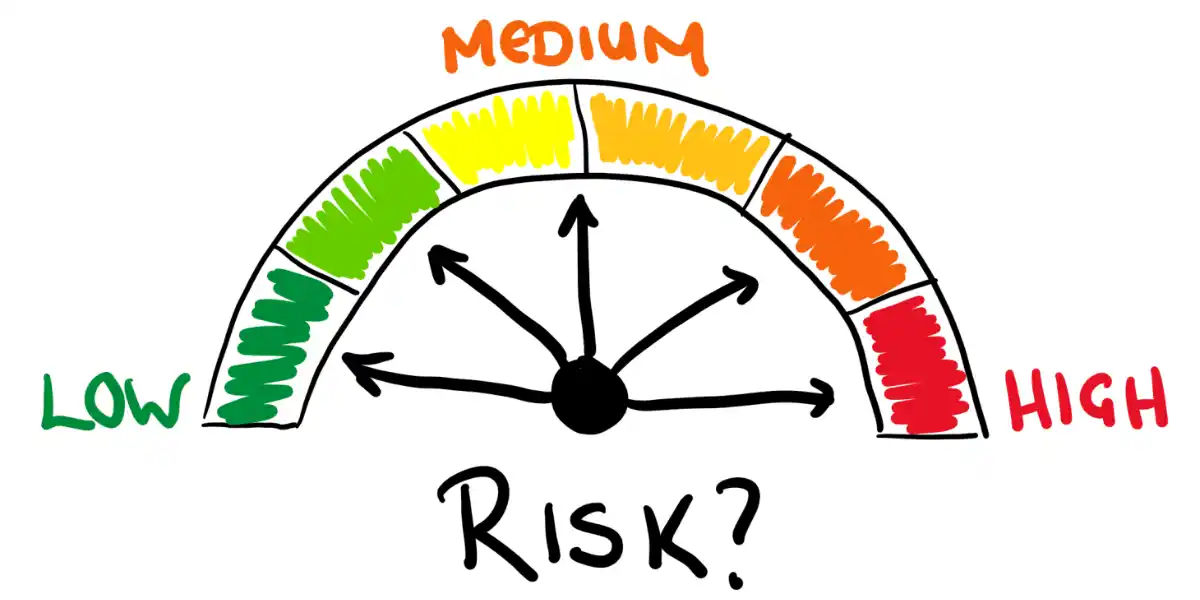
Boundaries are risk architecture. They exist to absorb pressure before it becomes harm, liability, or workforce loss. Understanding them this way changes how providers train staff, design supervision, and respond when things start to slip.
The Economics of an Unbounded Relationship
A support worker who answers messages at midnight is not just being generous. They are quietly expanding the scope of an unfunded, unrostered relationship. That expansion has a cost, even if no invoice ever reflects it.
Over months, this pattern produces two outcomes. The participant’s plan starts to lean on informal availability that isn’t guaranteed or reviewable. The worker absorbs emotional labour that was never priced into their role. Neither outcome shows up on a service agreement, but both erode the sustainability of the arrangement.
This is why professional boundaries in NDIS support should be understood as capacity management. A worker who maintains clear limits protects their own ability to keep showing up, week after week, at the standard the participant actually needs.
Why Boundary Drift Is Gradual, Not Sudden
Boundary breakdown rarely starts with an obvious violation. It starts with reasonable-sounding exceptions. Staying twenty minutes past a shift because a participant seemed low. Sharing a phone number “just for emergencies.” Accepting a small gift to avoid seeming cold.
Each exception is defensible in isolation. The risk comes from accumulation. Once a worker has made five small exceptions, a sixth feels consistent rather than concerning. This is the same drift pattern seen in clinical and financial governance failures — small deviations normalise larger ones.
Providers who only train staff on the extreme cases (romantic relationships, financial exploitation) miss where most real drift actually happens: in the accumulation of minor, well-intentioned departures from role.
Boundaries as a Compliance Signal, Not Just an Ethics Statement
The NDIS Code of Conduct requires workers to act with integrity and avoid conflicts of interest. But from a provider’s operational standpoint, boundary maintenance is also an early compliance signal.
A worker who reports feeling emotionally overwhelmed by a participant relationship is giving the organisation useful information before an incident occurs. A provider that treats this disclosure as a performance concern, rather than a safeguarding opportunity, discourages the exact reporting that prevents serious breaches.
This is the practical argument for supervision structures that ask about boundary strain directly, rather than waiting for a formal complaint. Reactive systems catch violations. Proactive supervision catches drift.
The Dependence Trap and Why It Backfires
When a participant becomes reliant on one specific worker for emotional stability, it can look like success. The relationship feels warm, the participant seems settled, the family is relieved.
But single-worker dependence creates fragility. If that worker leaves, changes hours, or takes leave, the participant’s support system doesn’t just shrink — it can collapse. The apparent stability was borrowed against a single point of failure.
Person-centred support requires resisting this outcome, even when it feels like the caring thing to do in the moment. True stability comes from a participant having functioning relationships across a support team, not exceptional rapport with one individual.
Scope of Practice as a Boundary, Not a Restriction
Workers sometimes experience scope-of-practice limits as bureaucratic obstacles rather than protections. A worker who feels pressure to offer informal medical guidance, or make a decision technically outside their authority, is being asked to absorb risk that belongs to a clinician or coordinator.
Declining to overstep here is not withholding care. It is refusing to let informal goodwill substitute for qualified judgement — a substitution that, if wrong, harms the participant far more than a boundary ever could.
What Providers Should Actually Build
Rather than issuing a boundaries policy and hoping it holds, effective providers build three specific mechanisms. Regular, low-stakes supervision check-ins that ask about emotional load, not just task completion. Clear escalation paths so a worker noticing early drift in themselves or a colleague has somewhere obvious to go. And workload design that doesn’t quietly reward workers for informally over-delivering.
For a deeper breakdown of the specific situations workers commonly encounter — gifts, social media, personal relationships, and warning signs — refer to this article: https://mylotus.com.au/professional-boundaries-in-ndis-support-how-workers-protect-participants-and-themselves/.
The Real Measure of Strong Boundaries
The best test of a boundary isn’t whether it feels comfortable in the moment. It’s whether the support relationship would survive a change in circumstances — a new roster, a worker’s leave, a participant’s changing needs — without collapsing.
Boundaries that pass that test aren’t distance. They’re the structural reason good care can actually last.