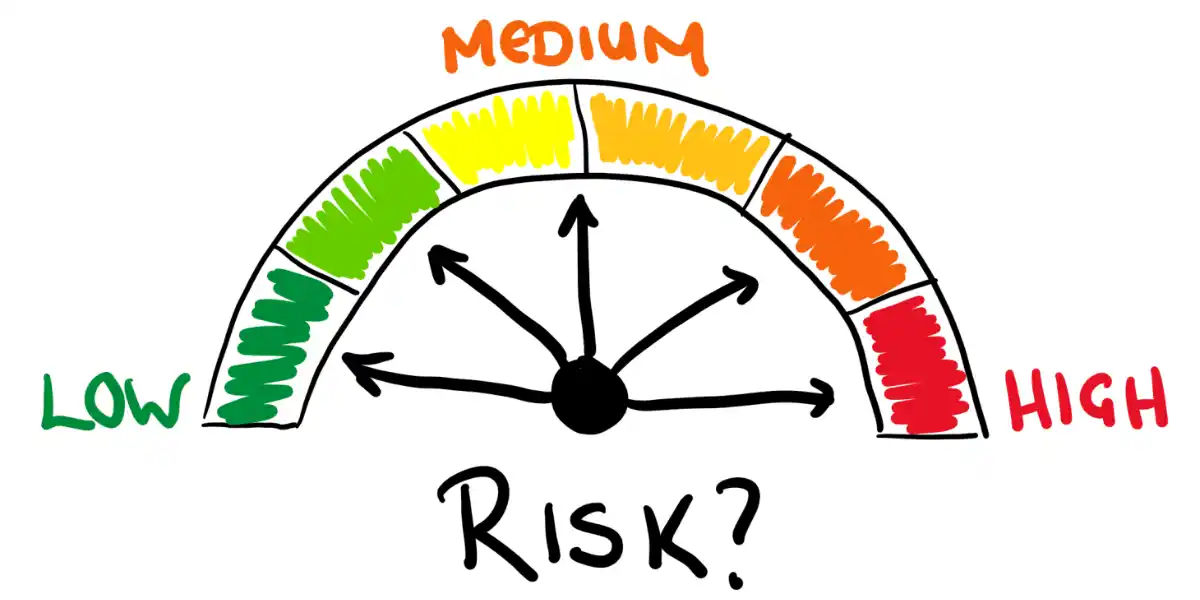
For many years, disability support was often measured by one question: How well can risks be prevented? While safety remains an essential responsibility, today’s approach to quality support recognises something equally important—every person has the right to make choices, pursue goals, and live a meaningful life, even when those choices involve an element of risk.
This shift represents a broader understanding of what genuine independence looks like. Protecting someone from every possible challenge may seem compassionate, but excessive protection can unintentionally limit confidence, personal growth, and participation in the community. The most effective disability support therefore requires a careful balance between fulfilling a duty of care and respecting an individual’s dignity of risk.
Rather than viewing these principles as competing priorities, experienced providers understand that they work best together. My Lotus explores this important relationship in greater detail here: https://mylotus.com.au/duty-of-care-and-dignity-of-risk-finding-the-right-balance-in-disability-support/
Independence Is Built Through Meaningful Choices
Every person develops skills through experience. Learning to travel independently, trying a new activity, applying for employment, or participating in community events all involve uncertainty. These experiences also create opportunities for confidence, resilience, and personal achievement.
People living with disability deserve the same opportunities to make decisions about their own lives as anyone else.
Supporting independence does not mean removing assistance altogether. Instead, it means providing the right support while allowing individuals to remain actively involved in decisions that affect them. When people are encouraged to make informed choices rather than having decisions made on their behalf, they are more likely to build confidence and develop greater self-determination over time.
True person-centred support recognises that independence is not measured by doing everything alone. It is measured by having genuine control over one’s own life.
Duty of Care Is About Enabling Safe Opportunities
Duty of care is sometimes misunderstood as avoiding all possible risk. In reality, effective duty of care involves identifying potential hazards, reducing unnecessary risks, and creating environments where people can safely pursue their personal goals.
Support workers constantly balance these responsibilities.
Whether assisting someone with community access, daily living, education, employment, or recreational activities, the objective is not to eliminate every uncertainty but to ensure appropriate safeguards are in place while respecting individual preferences.
This requires thoughtful planning, open communication, and ongoing assessment rather than automatically saying “no” whenever challenges arise.
The strongest support relationships are built on collaboration rather than restriction.
Risk Can Be a Pathway to Personal Growth
Growth rarely occurs inside complete certainty.
Trying public transport independently for the first time, joining a sporting club, learning new workplace skills, or moving into more independent accommodation all involve manageable risks. They also create valuable opportunities for learning and increased confidence.
When individuals are prevented from attempting these experiences solely because something might go wrong, important opportunities for personal development may also be lost.
A balanced approach recognises that not every setback represents failure. Sometimes small mistakes become valuable learning experiences that strengthen future decision-making.
Quality disability support focuses on helping people understand potential risks, prepare for them, and make informed decisions instead of removing opportunities altogether.
Communication Creates Better Outcomes
Finding the right balance between protection and independence depends heavily on communication.
Individuals, families, support workers, coordinators, and healthcare professionals each bring different perspectives. Open conversations help ensure that everyone’s concerns are heard while keeping the individual’s goals at the centre of decision-making.
Clear communication also allows support strategies to evolve over time.
As people gain new skills, confidence, or experience, the level of assistance required may change. Regular review ensures that support remains appropriate rather than becoming unnecessarily restrictive.
This flexible approach acknowledges that independence is a journey rather than a fixed destination.
Person-Centred Support Requires Individual Solutions
No two people have identical goals, abilities, or preferences.
What represents an appropriate level of support for one participant may be completely different for another. This is why personalised planning remains fundamental to high-quality disability services.
Effective support begins by understanding what matters most to the individual. Some people prioritise employment, others value community participation, education, creative pursuits, or developing daily living skills. Once these priorities are understood, support strategies can be tailored to help achieve them while managing potential risks responsibly.
Rather than applying universal rules, experienced providers adapt their approach to each person’s circumstances, aspirations, and changing needs.
Empowerment Strengthens Long-Term Wellbeing
Supporting informed decision-making has benefits that extend far beyond individual activities.
People who feel respected, listened to, and trusted are more likely to develop confidence in their own abilities. They often become more engaged in their communities, more willing to pursue new opportunities, and more capable of advocating for themselves.
Families also benefit from understanding that independence and safety do not have to exist in opposition. With appropriate planning and collaborative support, individuals can pursue meaningful goals while maintaining suitable safeguards.
The strongest disability support services recognise that empowerment is not achieved by removing every challenge from a person’s life. It is achieved by providing the knowledge, resources, and encouragement needed to navigate those challenges successfully.
Creating this balance requires compassion, professional judgement, and genuine respect for individual choice. When duty of care and dignity of risk are viewed as complementary principles rather than competing obligations, disability support becomes more than assistance—it becomes a partnership that enables people to live fuller, more independent lives.
For further insights into balancing duty of care with dignity of risk in disability support, visit My Lotus: https://mylotus.com.au/duty-of-care-and-dignity-of-risk-finding-the-right-balance-in-disability-support/