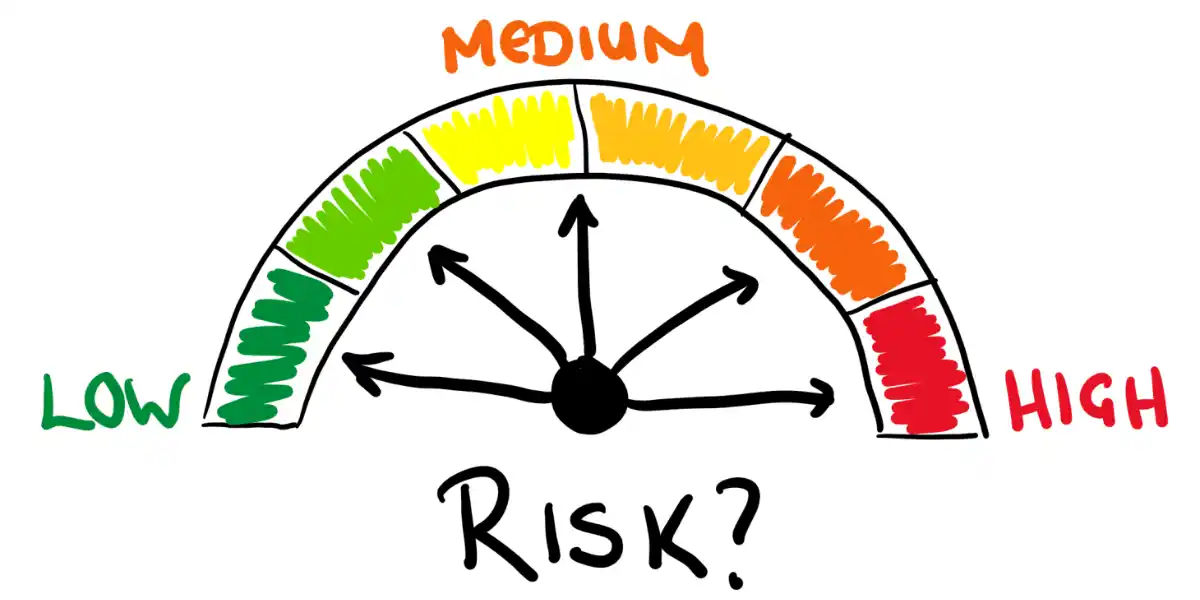
Behind every meaningful support relationship is a professional who invests more than practical skills. Support workers listen to difficult stories, witness emotional challenges, celebrate personal milestones, and often become a trusted source of stability for the people they assist. While this commitment is one of the greatest strengths of the care sector, it also creates an often-overlooked risk: the emotional impact of continually supporting others through hardship.
Unlike physical fatigue, which is usually recognised and addressed quickly, emotional strain can develop quietly over months or even years. Support workers may continue performing their duties effectively while gradually carrying the weight of repeated exposure to trauma, grief, or distress. Left unrecognised, this accumulation can affect wellbeing, decision-making, relationships, and ultimately the quality of care delivered to participants.
Creating a resilient support workforce therefore requires more than technical training. It requires organisations and individuals to understand that caring for others also means caring for the people providing that care.
For additional practical guidance on identifying and responding to vicarious trauma, My Lotus offers valuable insights in its original article: https://mylotus.com.au/how-support-workers-can-recognise-and-manage-vicarious-trauma/
Compassion Can Carry an Invisible Emotional Cost
Support work is built on empathy. The ability to understand another person’s experiences helps create trust, strengthens communication, and enables genuinely person-centred care.
However, empathy also allows difficult experiences to leave a lasting emotional impression.
Repeated exposure to stories of abuse, family breakdown, illness, loss, or social isolation can gradually influence how support workers view both their work and the wider world. This process often occurs subtly. Rather than one significant event, it is the cumulative effect of many emotionally demanding interactions.
Because the changes are gradual, individuals may not immediately recognise that their emotional responses have shifted. They may simply feel more tired than usual, less optimistic, or increasingly emotionally detached without connecting these experiences to the nature of their work.
Recognising this pattern early is essential because awareness provides the opportunity for intervention before emotional strain develops into more significant psychological distress.
Vicarious Trauma Is Different From Everyday Workplace Stress
Every profession experiences periods of pressure, but vicarious trauma differs from ordinary occupational stress.
General workplace stress often arises from heavy workloads, deadlines, staffing shortages, or administrative responsibilities. These pressures typically improve once circumstances change.
Vicarious trauma, by contrast, develops through repeated emotional exposure to another person’s traumatic experiences. Over time, it may influence a support worker’s beliefs about safety, trust, relationships, or personal resilience.
Someone experiencing vicarious trauma may become emotionally numb, unusually anxious, hypervigilant, or find it increasingly difficult to separate work from personal life.
Understanding this distinction helps organisations implement support strategies that address emotional wellbeing rather than focusing solely on workload management.
Healthy Boundaries Strengthen Compassion Rather Than Limit It
Many support workers enter the profession because they genuinely care about helping others. As a result, some mistakenly believe that maintaining emotional boundaries reduces the quality of support they provide.
In reality, the opposite is often true.
Professional boundaries allow support workers to remain compassionate without becoming emotionally overwhelmed. They create space to respond thoughtfully instead of absorbing every difficult experience as though it were their own.
Healthy boundaries also support consistency. Workers who preserve their emotional wellbeing are better equipped to provide reliable, patient-centred care over many years rather than experiencing cycles of exhaustion and recovery.
Sustainable compassion depends on recognising that empathy and self-protection can exist together.
Organisational Culture Plays a Critical Role
Individual resilience is important, but organisations have an equally significant responsibility to create psychologically safe workplaces.
Support workers should feel comfortable discussing emotionally challenging situations without fear of judgement or perceptions of weakness. Regular supervision, reflective practice, peer discussions, and access to professional wellbeing resources all contribute to a culture where emotional health receives the same attention as physical safety.
Leaders who openly acknowledge the emotional demands of care work help normalise conversations about mental wellbeing.
This proactive approach reduces stigma while encouraging workers to seek assistance before difficulties become more severe.
Rather than viewing emotional support as a response to crisis, progressive organisations incorporate it into everyday professional practice.
Reflection Improves Both Wellbeing and Professional Growth
Reflection is often associated with improving clinical practice, but it also serves an important role in protecting emotional health.
After particularly challenging interactions, taking time to consider personal reactions, identify emotional responses, and discuss experiences with supervisors or colleagues helps prevent difficult situations from becoming internalised.
Reflective practice transforms emotional experiences into opportunities for learning rather than allowing them to accumulate unnoticed.
Over time, this habit strengthens professional confidence while helping support workers maintain perspective during emotionally demanding periods.
Reflection therefore benefits both service quality and individual wellbeing simultaneously.
Supporting Workers Ultimately Supports Participants
The relationship between worker wellbeing and participant outcomes is often underestimated.
Support workers experiencing chronic emotional exhaustion may unintentionally become less engaged, less patient, or less responsive despite their best intentions. Conversely, professionals who feel supported are generally better able to build meaningful relationships, communicate effectively, and adapt to individual participant needs.
Investing in workforce wellbeing therefore benefits everyone involved.
Participants receive more consistent care, organisations experience stronger staff retention, and support workers remain capable of sustaining fulfilling careers without sacrificing their own mental health.
This interconnected perspective shifts wellbeing from being an individual responsibility to becoming a shared organisational priority.
Long-Term Care Requires Long-Term Resilience
The disability support sector depends on professionals who consistently demonstrate empathy, patience, and dedication. Maintaining these qualities throughout a career requires acknowledging that emotional resilience is not automatic.
Just as ongoing professional development strengthens practical skills, ongoing attention to emotional wellbeing strengthens the capacity to continue providing compassionate support.
Recognising the signs of vicarious trauma, encouraging open conversations, maintaining healthy boundaries, and fostering supportive workplace cultures all contribute to a more sustainable workforce.
Ultimately, caring for support workers is not separate from delivering high-quality care. It is one of its essential foundations.
For further information on recognising and managing vicarious trauma among support workers, visit My Lotus’s original resource: https://mylotus.com.au/how-support-workers-can-recognise-and-manage-vicarious-trauma/