Most hospitality owners ask the wrong first question about cooling. They ask, “How big a unit do I need?” The better question is, “Where is my air coming from, and where is it going?”
A restaurant is not an office with tables. It is a building that constantly exhausts air through kitchen hoods and doors. It pulls in warm, humid outdoor air to replace that loss. And it holds a changing number of bodies, ovens and open flames through the day. Choosing air conditioning for restaurants and cafes on floor area alone ignores almost all of that.
This article looks at cooling as an airflow and moisture problem first, and an equipment problem second. That shift changes which systems work, what they cost to run, and how guests feel at the table.
The Hidden Problem: Your Kitchen Is Pulling Air Out of Your Dining Room
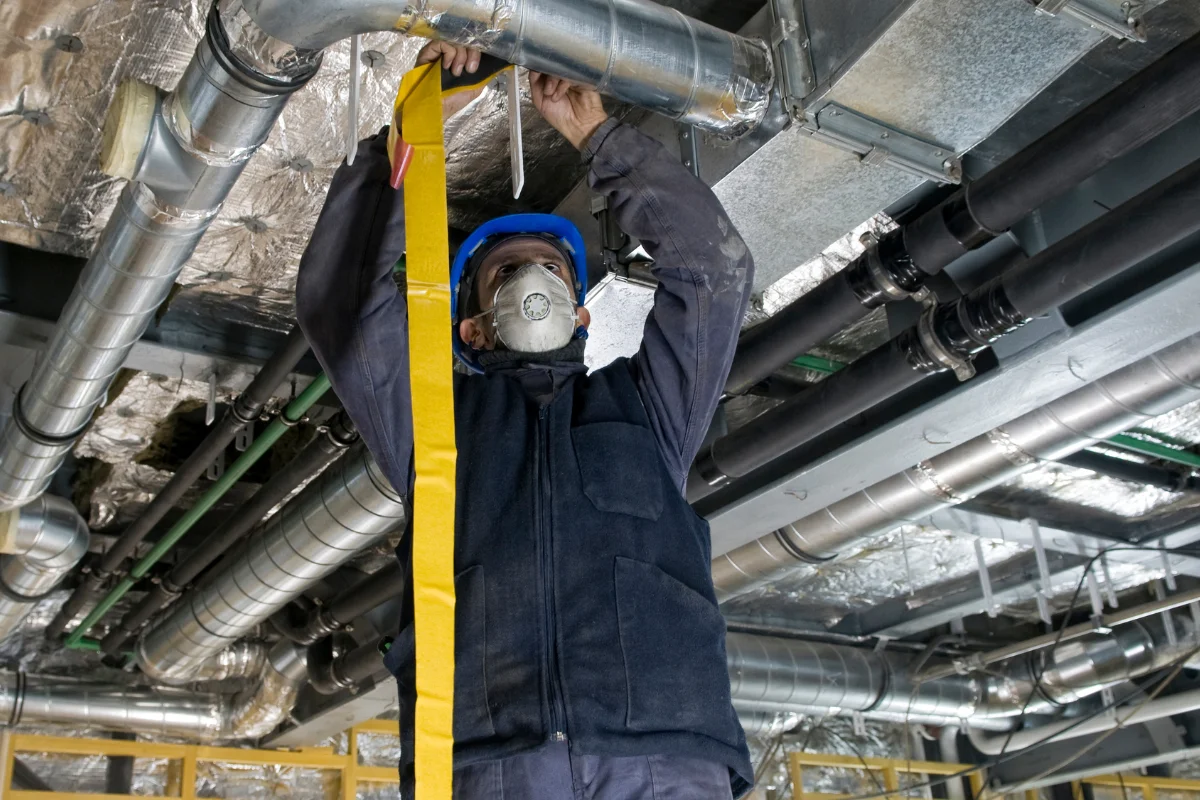
Commercial range hoods move large volumes of air. That air has to be replaced from somewhere. If the kitchen has no dedicated make-up air, it steals conditioned air from the dining room.
The result is a building under negative pressure. You notice it as a front door that is hard to open. You notice it when hot air rushes in every time a guest enters. You also notice cooking smells drifting into seating areas, because the pressure pulls air the wrong way.
This matters for cooling because the air conditioner is now fighting an open leak. Every cubic metre it cools is partly sucked into the hood and blown outside. The system runs longer, costs more, and still struggles to hold temperature near entries.
Why a Bigger Unit Rarely Fixes It
Upsizing the dining room system feels like the obvious fix. It usually is not. A larger unit cools the air faster, but the pressure imbalance remains. You are simply paying to cool more air before the hood throws it away.
Worse, oversized units short-cycle. They hit the set temperature quickly and switch off before removing enough moisture. The room reads as cool on the thermostat, yet feels clammy. Guests describe it as “stuffy,” even when the number looks right.
The more effective fix is balancing supply and exhaust. That often means a tempered make-up air system for the kitchen. Once the kitchen feeds itself, the dining room system can do its actual job.
Humidity Is the Real Comfort Metric on the Gold Coast
In a subtropical climate, temperature is only half the comfort story. Moisture is the other half, and often the bigger one. Air at 24°C can feel pleasant or oppressive depending on its humidity.
Restaurants add moisture from every direction. Dishwashers, steam kettles, boiling pasta water and breathing diners all load the air. Add humid outdoor air from open doors and alfresco areas, and latent load climbs fast.
Standard systems are often sized around sensible load, which is dry heat. When latent load dominates, those systems cool without drying. That is why a packed Friday service can feel sticky despite a running air conditioner.
What Good Moisture Control Looks Like
Good design treats dehumidification as a stated goal, not a side effect. Options include equipment with dedicated dry modes, variable-speed compressors, or separate dehumidification on fresh air intakes.
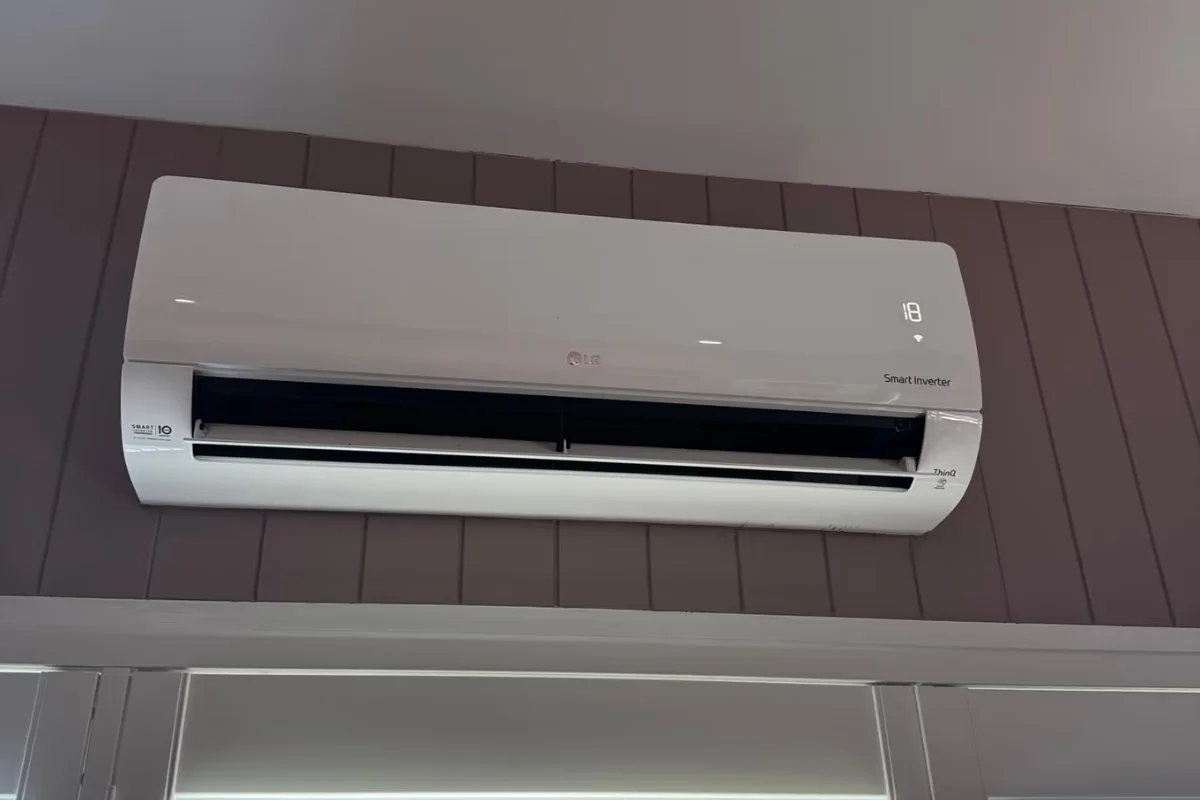
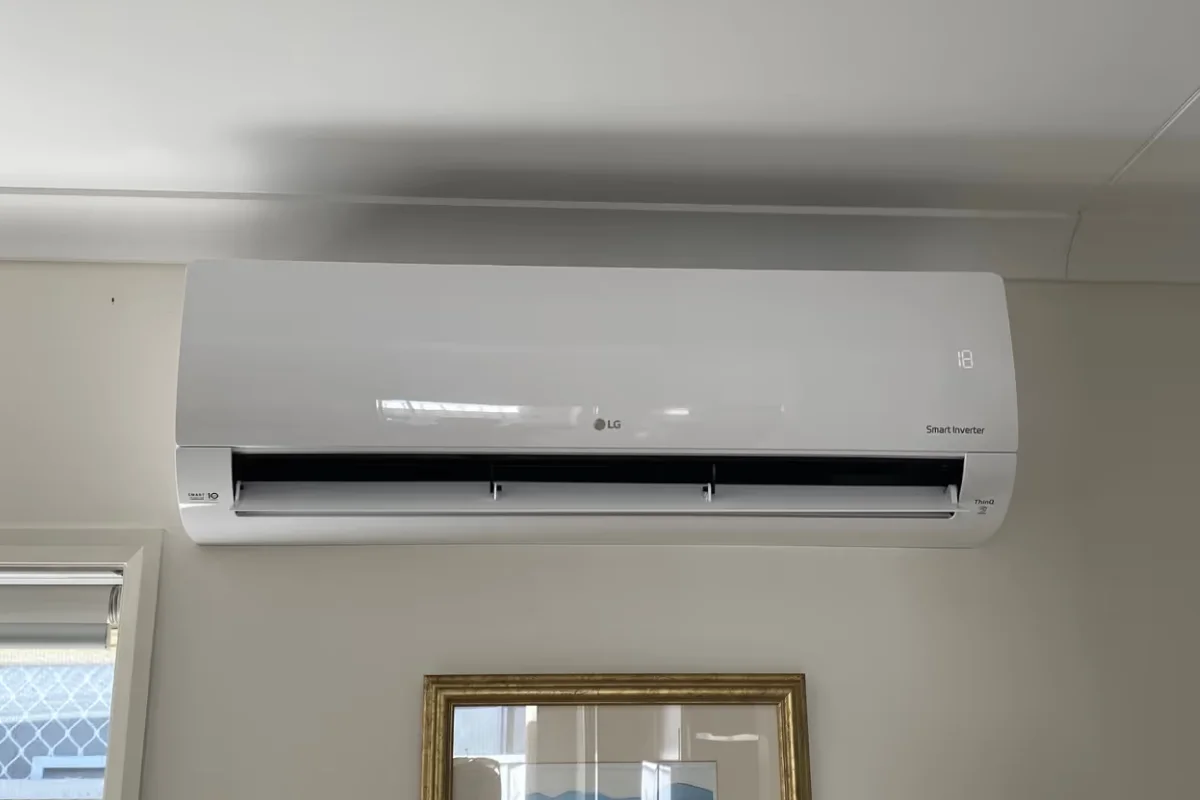
Variable-speed inverter systems deserve particular attention here. They can run longer at lower output instead of cycling on and off. Longer run time means more moisture removed from the air. The space feels fresher at a higher, cheaper set point.
There is also a food and building benefit. Controlled humidity reduces condensation on cold surfaces and glass display cabinets. It slows mould growth in ceiling cavities and storerooms. Over years, that protects both hygiene ratings and fit-out finishes.
Zoning by Behaviour, Not by Floor Plan
Many venues zone their cooling by walls. A smarter approach zones by how people use each area. A cafe counter, a banquette corner and a window bar all behave differently.
The service counter sits near coffee machines and pie warmers. Staff there move constantly and generate heat. Diners in booths sit still for an hour and feel cold drafts quickly. Window seating absorbs direct afternoon sun on west-facing frontages.
A single thermostat cannot satisfy all three. Someone will always be too warm or too cold. Zoned systems, or multi-head ducted designs with individual control, let you tune each area.
Placement Details That Change the Experience
Where the air lands matters as much as its temperature. Supply outlets aimed directly at tables create cold spots and complaints. Diffusers that throw air across the ceiling mix it gently before it reaches guests.
Return air placement matters too. Returns positioned near the kitchen pass can pull cooking heat across the dining room. Returns near the entry help capture warm infiltration before it spreads. These are low-cost decisions at design stage and expensive fixes afterward.
For a deeper look at managing seasonal comfort alongside kitchen heat, refer to this article: https://deepchill.com.au/air-conditioning-for-restaurants-and-cafes-in-gold-coast-balancing-winter-comfort-and-kitchen-heat/
Coastal Conditions and Equipment Lifespan
Venues near the beach face a problem inland businesses rarely consider. Salt-laden air corrodes outdoor condenser coils and fasteners. Unprotected coils can degrade far faster than their rated service life suggests.
Kitchen exhaust adds another layer. Grease-laden air settles on nearby outdoor units, especially on rooftops. Grease traps dust, insulates coils, and reduces heat rejection. The unit works harder and fails sooner.
Specifying coastal-grade coil coatings and careful condenser placement pays back over time. So does a maintenance schedule matched to real conditions. A seaside kitchen may need coil cleaning far more often than a suburban office.
The Business Case Beyond Comfort
It is easy to treat air conditioning as an overhead line. In hospitality, it behaves more like a revenue input. Comfort shapes how long guests stay, whether they order another round, and whether they return.
Staff feel it too. Kitchen and floor teams working in heat tire faster and make more mistakes. In a tight labour market, a bearable workplace supports retention. Replacing experienced staff costs far more than good ventilation.
Energy is the final piece. A balanced, well-zoned system usually runs less than an oversized one fighting pressure leaks. Lower running costs make efficient equipment easier to justify. The savings compound across long trading hours, seven days a week.
Conclusion
The most common cooling mistake in hospitality is solving an airflow problem with more capacity. Restaurants and cafes lose conditioned air to kitchen exhaust, gain moisture from service, and host very different comfort needs within one room.
Start with pressure balance and make-up air. Treat humidity as a design target. Zone by behaviour, place outlets with intent, and protect equipment from salt and grease. Get those foundations right, and a modest, efficient system will outperform a larger one installed without a plan.
For operators planning a fit-out or upgrade, the takeaway is simple. Ask your installer how the air moves, not just how cold it gets.