Why Most Commercial Cooling Problems Start Before the Install
Most businesses treat air conditioning as a purchase. They compare quotes, pick a brand, and book a date. That approach explains why so many commercial systems underperform within five years.
A commercial air conditioning installation is closer to a building upgrade than a purchase. It shapes energy bills, staff productivity, customer comfort and even lease negotiations. Get the planning wrong, and no premium brand will fix it.
On the Gold Coast, the stakes are higher than in many regions. Long, humid summers push systems close to capacity for months. Coastal air speeds up corrosion. Many commercial buildings have also changed use several times over the years.
This article looks at the decisions that matter before any equipment arrives. It covers load assessment, system choice, disruption planning and long-term ownership costs.
Start With the Load, Not the Brand
The most common mistake is sizing a system by floor area alone. Square metres tell you very little about how a space actually behaves.
What a proper load assessment captures
A real heat load calculation looks at what generates heat inside the space. Commercial kitchens, server rooms and retail lighting all add significant load. So do people. A gym at peak hour produces far more heat than an office of the same size.
Building orientation matters just as much. West-facing glass on the Gold Coast can double afternoon cooling demand. Poor roof insulation in older strip shops has a similar effect.
Humidity is the factor most often ignored. An oversized unit cools the air quickly, then switches off. It never runs long enough to remove moisture. The result is a cold, clammy space that still feels uncomfortable. Staff then turn the thermostat lower, which wastes more energy.
Undersizing creates the opposite problem. The system runs flat out all summer, wears faster and still fails on the hottest days.
Why this changes the budget conversation
A precise load assessment often reduces equipment cost. Businesses frequently discover they need less capacity, but better distribution. That money is better spent on zoning or controls than on bigger compressors.
Matching the System to How the Business Operates
There is no single “best” commercial system. The right choice depends on occupancy patterns, not just size.
Ducted, split and VRF systems
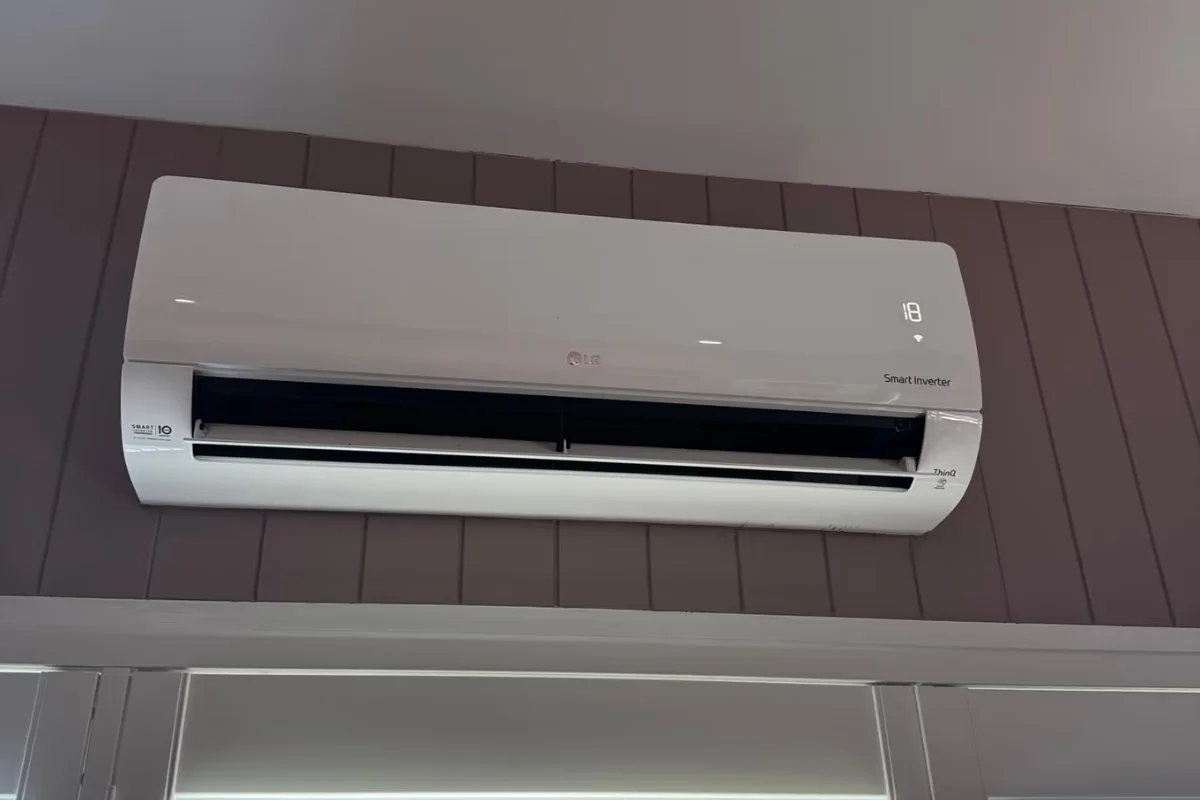
Ducted systems suit open-plan offices and retail floors with consistent use. They are discreet and distribute air evenly. However, they can be wasteful when only part of a building is occupied.
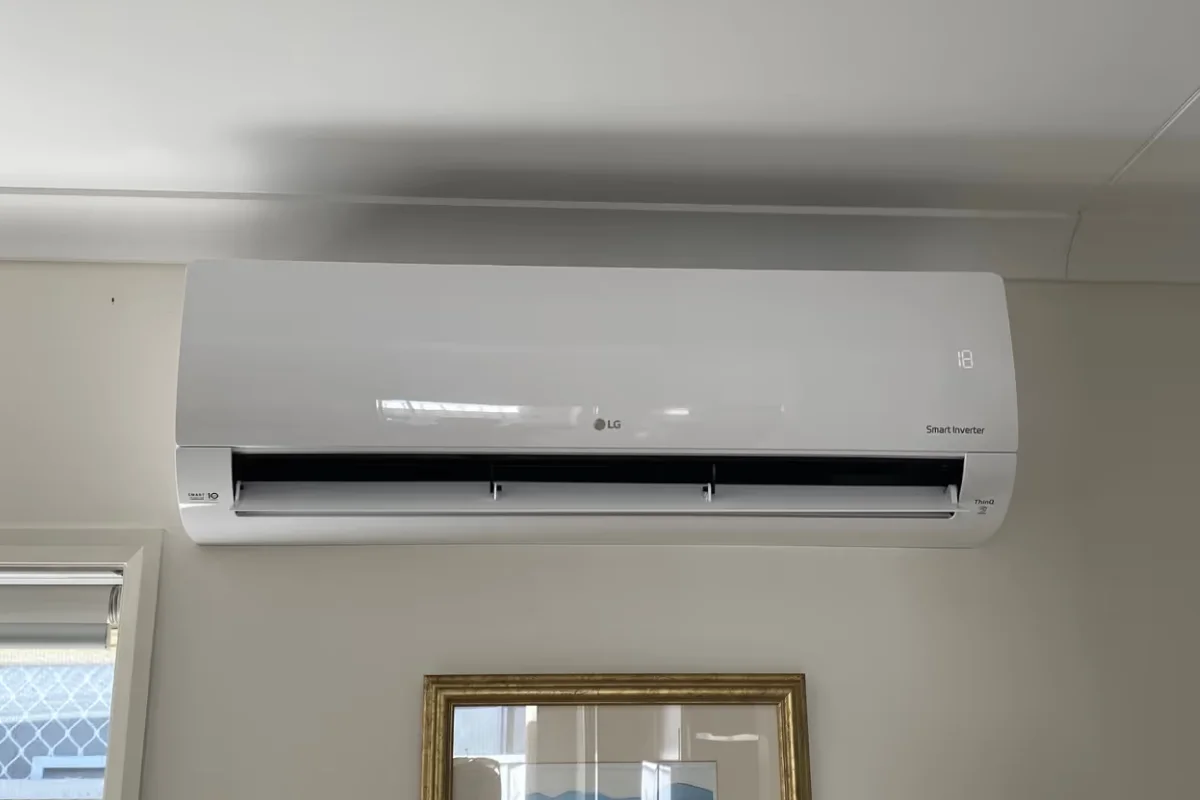
Multiple split systems work well in smaller premises with separate rooms. They are affordable and simple to service. The trade-off is visual clutter and less central control.
Variable refrigerant flow (VRF) systems suit buildings with mixed uses. A medical centre, for example, may have consult rooms, a waiting area and a pharmacy. Each zone needs different temperatures at different times. VRF handles this efficiently, but carries a higher upfront cost.
Think about the next five years
A business planning to expand or reconfigure should say so early. Pipework and electrical capacity are far cheaper to allow for during installation. Retrofitting them later often means ceiling works and extended downtime.
Tenants should also check lease terms. Some leases make the tenant responsible for plant replacement at exit. Others require landlord approval for rooftop units. These details affect which system is sensible.
Managing Disruption and Timing
Installation disruption is a real business cost. It is rarely included in quotes.
Retail, hospitality and clinics cannot simply close for a week. Good installers plan work in stages, after hours, or zone by zone. This planning should be discussed at quote stage, not on the first day of work.
Timing also influences cost and availability. Demand for installers peaks from late spring through summer. Booking during quieter months usually means more scheduling flexibility and less pressure on the job. For a deeper breakdown of seasonal timing, refer to this article: https://deepchill.com.au/gold-coast-businesses-why-winter-is-the-smartest-time-for-commercial-air-conditioning-installation/
The broader lesson is simple. A rushed installation in peak season carries hidden risk. Crews are stretched, stock may be limited, and commissioning can be cut short.
Commissioning: The Step Businesses Rarely Question
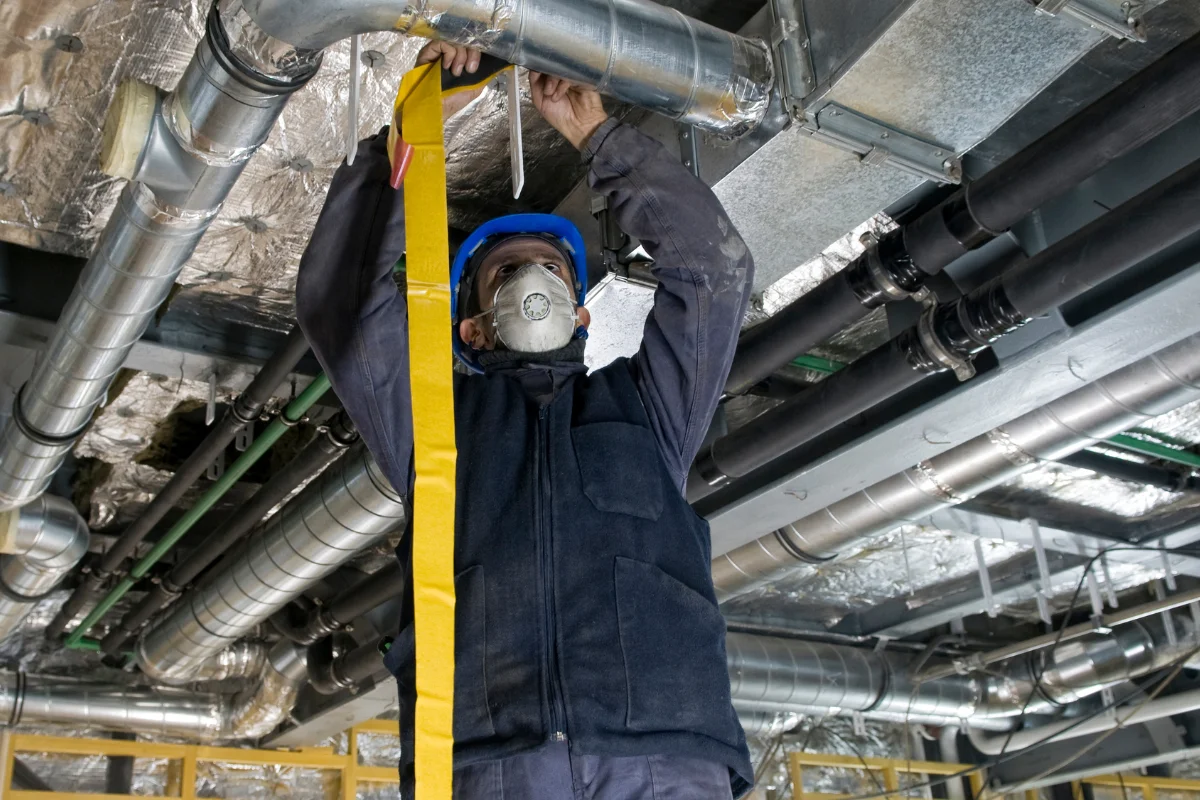
Commissioning is where a system is tested and tuned after installation. It confirms refrigerant charge, airflow, drainage and control settings.
Skipped or rushed commissioning is a leading cause of early faults. A system may appear to work on day one. Yet incorrect refrigerant levels can quietly reduce efficiency and shorten compressor life.
Business owners should ask for a commissioning report. It should record operating pressures, temperatures and airflow readings. This document becomes a baseline for future maintenance. Without it, technicians have nothing to compare against later.
Understanding the True Cost of Ownership
The purchase price is usually a minority of lifetime cost. Energy consumption, maintenance and repairs account for most of it.
Efficiency ratings matter more in humid climates
Commercial systems on the Gold Coast often run ten or more hours daily. Over a decade, small efficiency differences add up to thousands of dollars. Inverter technology and smart controls help systems run at partial load, which is where they spend most of their time.
Coastal conditions change maintenance needs
Salt-laden air attacks outdoor coils and fins. Businesses near the beachfront should consider protective coatings and more frequent servicing. Ignoring this can halve the life of outdoor units.
Controls deserve attention too. Scheduling and lockable thermostats prevent systems running overnight or at extreme settings. These features cost little but often deliver the fastest savings.
Choosing an Installer Worth Trusting
A capable installer asks detailed questions before quoting. They want to know trading hours, staff numbers, equipment loads and future plans. A quote produced after a brief glance at the ceiling is a warning sign.
Check licensing, commercial experience and after-sales service. Ask who will handle warranty claims and ongoing maintenance. Continuity matters, because the installer understands the system best.
Conclusion: Treat Cooling as Infrastructure
A commercial air conditioning installation succeeds or fails on planning. Accurate load assessment, the right system type, careful scheduling and thorough commissioning matter more than brand choice.
The businesses that get it right treat cooling as infrastructure. They plan for growth, budget for maintenance and measure performance over time. The payoff is lower running costs, fewer breakdowns and a space where staff and customers actually want to be.