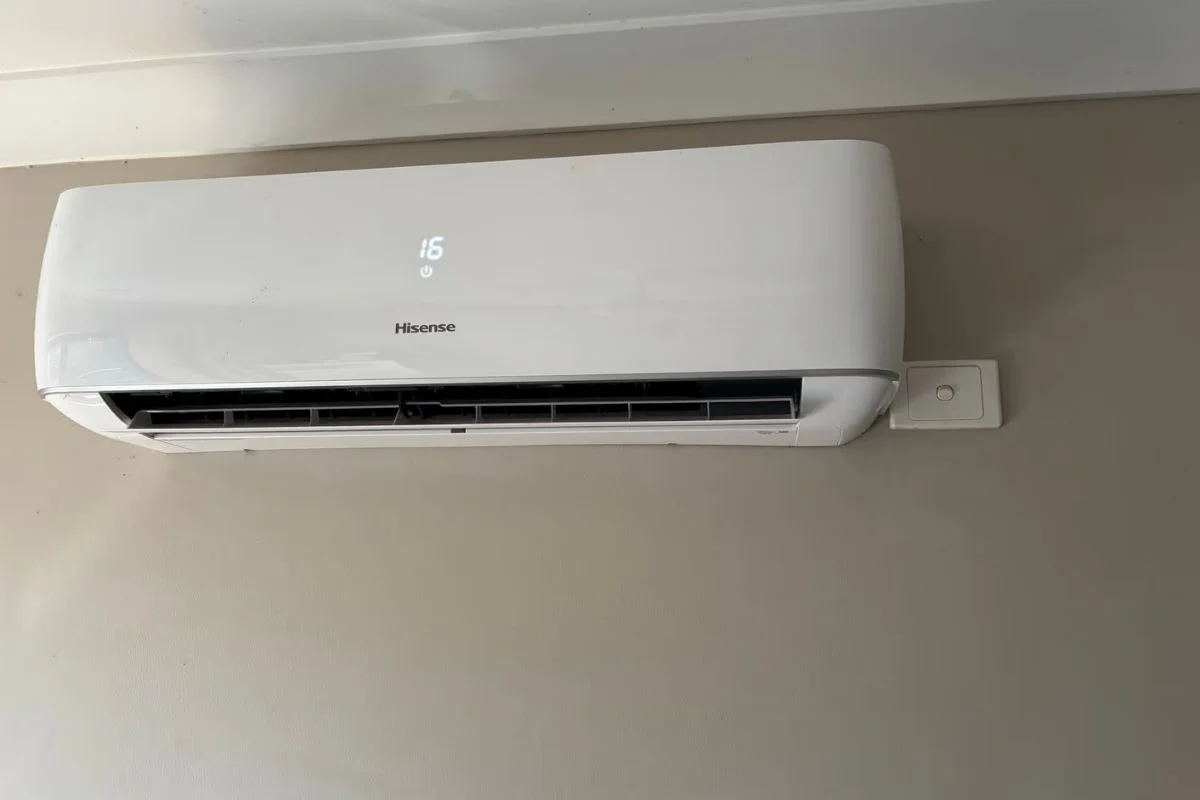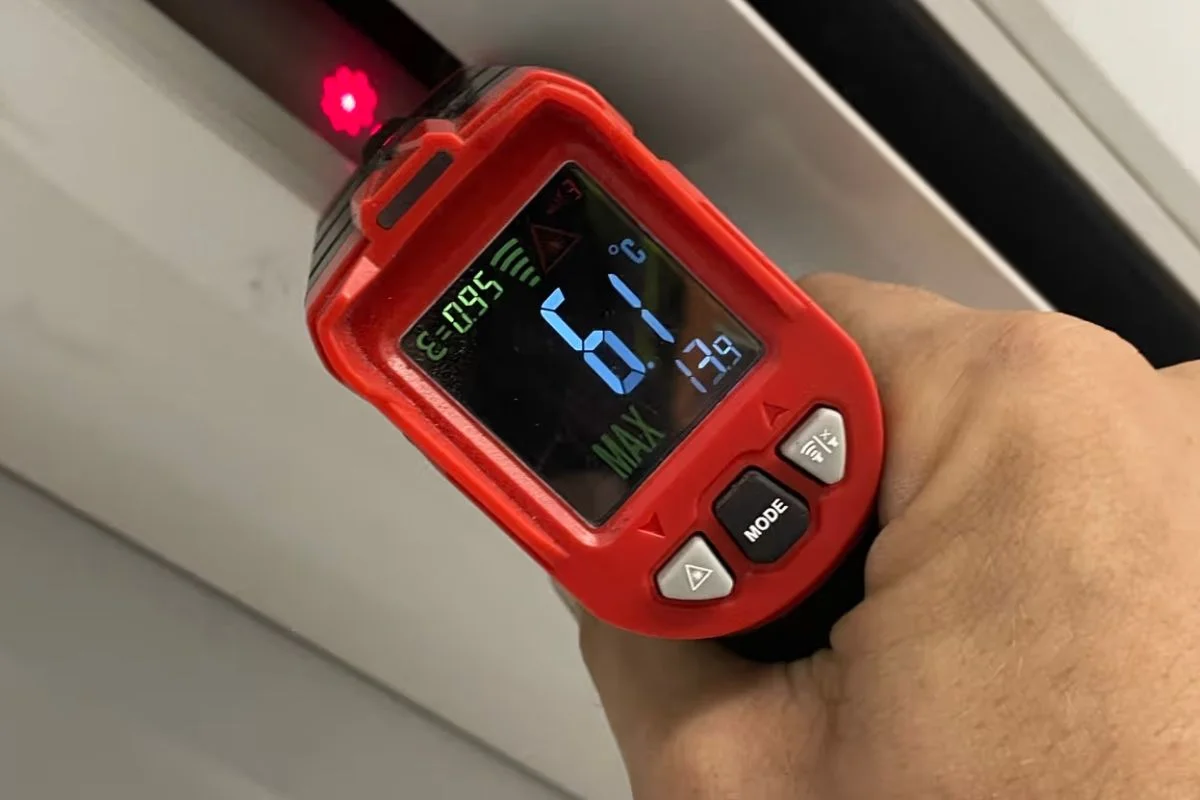
When an air conditioner stops cooling, most homeowners jump to one explanation. They assume the system is “out of gas” and needs a quick top-up. Sometimes that’s right, but often it isn’t. Several faults produce the same symptom: a unit that runs but never makes the room cold.
Getting the cause right matters more than it seems. If you pay for the wrong fix, the money is gone and the real fault keeps getting worse. This guide treats a warm-running air conditioner as a diagnosis problem. It works through the likely causes in a sensible order, from the cheapest check to the most serious.
Cooling Is a System, Not a Single Part
An air conditioner doesn’t create cold. It moves heat from inside your home to the outside. Refrigerant absorbs heat at the indoor coil, then releases it at the outdoor coil. The fans, compressor, coils and controls all have to work together for that to happen.
When any link in that chain weakens, cooling suffers. A choked filter cuts heat absorption indoors. A blocked condenser stops heat being released outdoors. A failing capacitor can stop the compressor altogether. Each of these feels the same from the couch: lukewarm air and a thermostat that never gets there.
That’s why one symptom can’t confirm one cause. A good diagnosis isolates each stage of the heat transfer process.
Start With Airflow: The Most Overlooked Culprit
Restricted airflow causes more poor cooling than most people realise. It’s also the easiest problem for a homeowner to check.
Dirty Filters and Blocked Returns
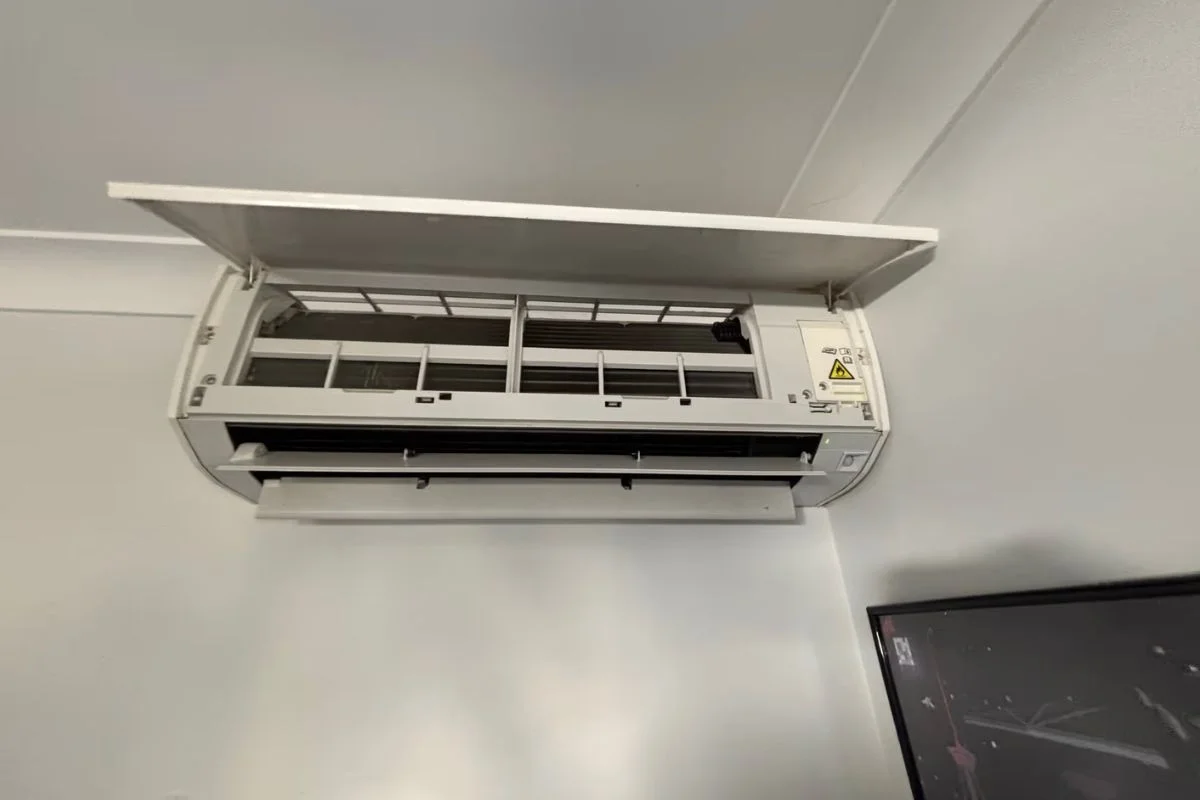
A clogged filter starves the indoor coil of air. Less air crossing the coil means less heat is absorbed. The coil then gets too cold, and moisture on it can freeze. Once ice forms, airflow drops even further and the problem compounds.
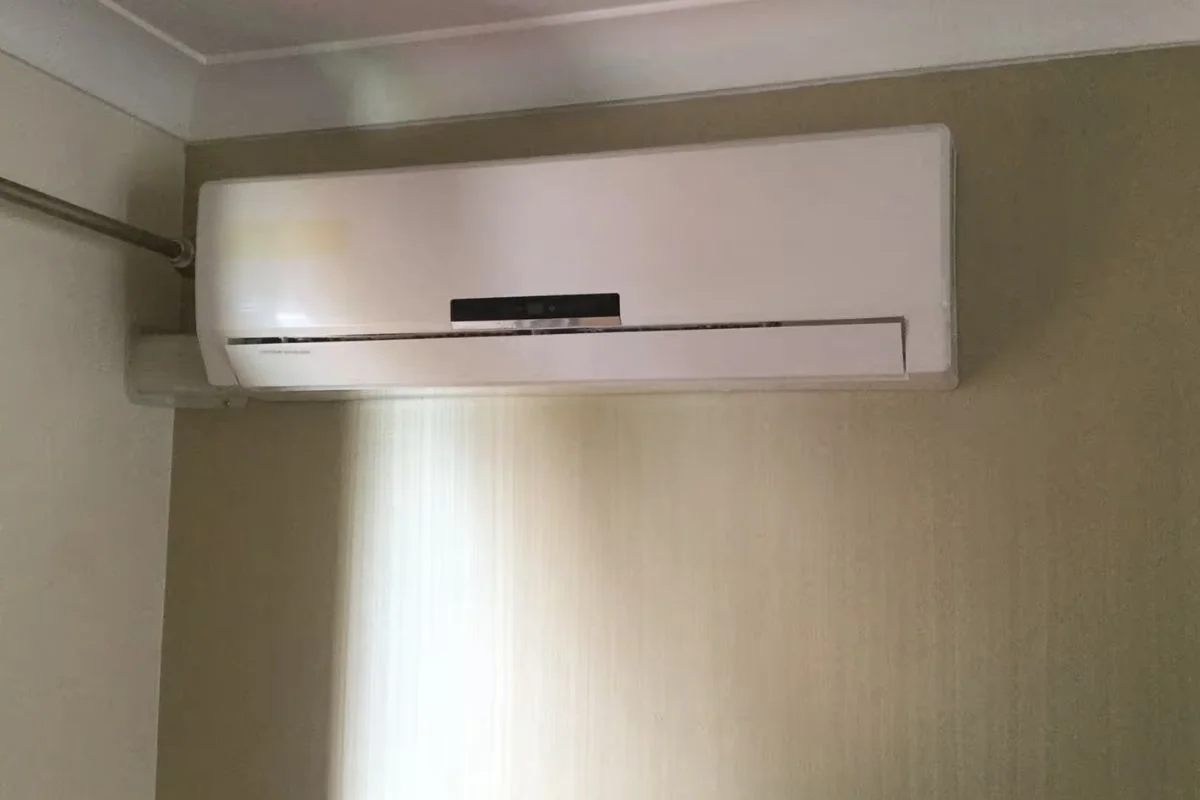
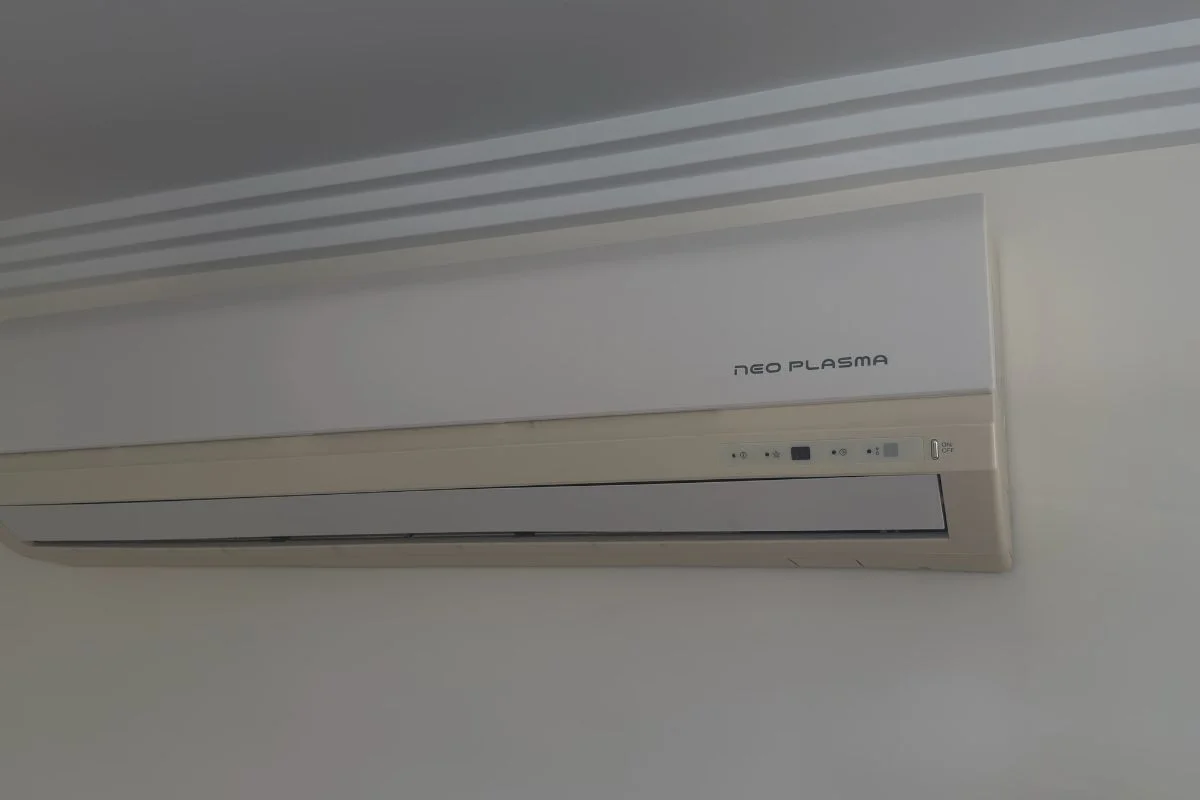
Check the filters first. In humid coastal climates they can load up with dust and mould quickly. Also check that furniture or curtains aren’t blocking return grilles. A wall-mounted split with a blocked intake will struggle however healthy its refrigerant is.
Indoor Fan and Coil Problems
If the filters are clean but airflow still feels weak, look further in. Dust packed into the coil fins or the barrel fan cuts air volume. This is common in units that haven’t been professionally cleaned for several years. A deep clean often restores most of the lost performance.
The Outdoor Unit Has to Release Heat Somewhere
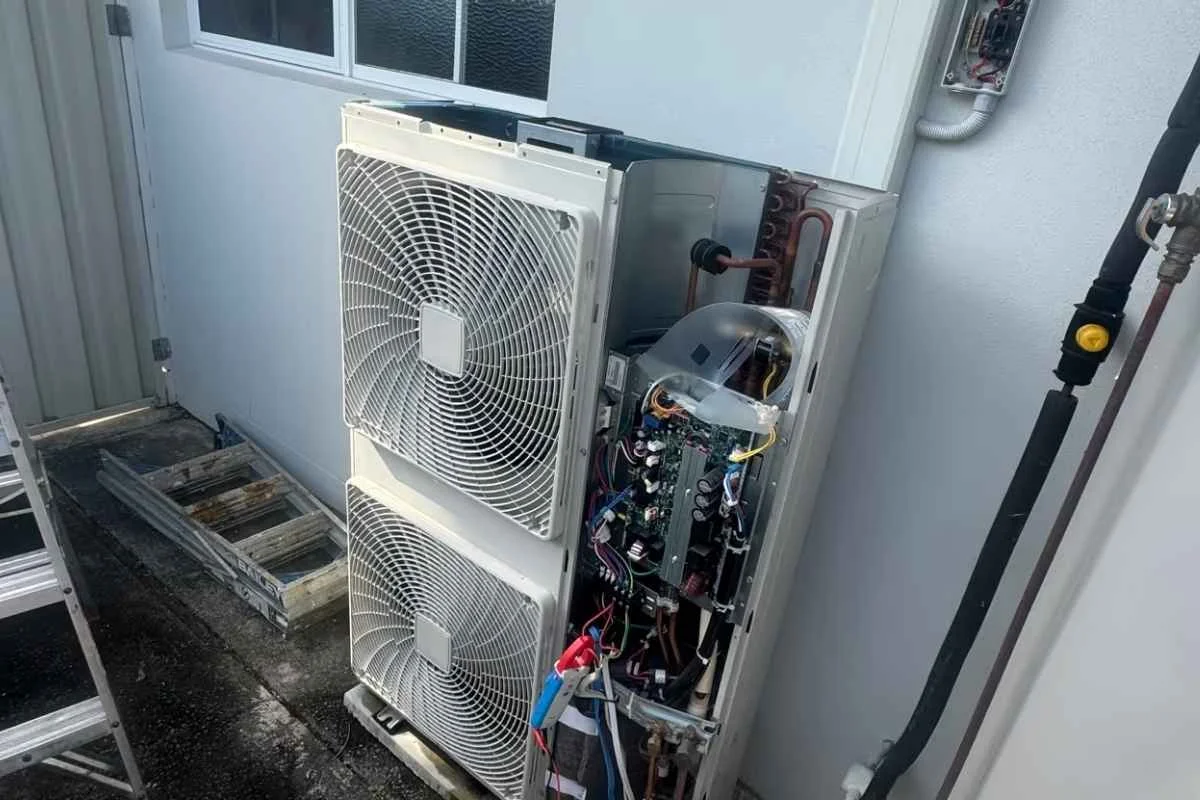
The outdoor condenser is the other half of the job. If it can’t release heat, the whole system loses capacity.
Condensers are often squeezed into tight side passages or boxed in behind screens. Hot air then circulates back into the intake. The unit keeps breathing its own exhaust, and efficiency falls sharply on hot afternoons. Leaves, grass clippings and salt build-up on the coil fins add to the problem.
A simple test helps here. On a hot day with the unit running, the air leaving the condenser should feel noticeably warm. If it feels only slightly warm, the heat isn’t moving properly. That could point to airflow, a fan fault, or a refrigerant issue.
When the Evidence Points to Refrigerant
Low refrigerant is a real and common cause, but it has a specific signature. Typical signs include ice on the indoor coil or the thin copper pipe, hissing near the units, and running costs that creep up steadily.
The key point is that refrigerant isn’t consumed. A sealed system should hold the same charge for its whole life. If the charge is low, it has escaped through a leak. Topping it up without finding that leak only delays the next breakdown. It also leaves the system running inefficiently in the meantime.
A proper approach involves pressure testing, usually with dry nitrogen, to confirm and locate the leak before recharging. For a detailed look at that process and the signs of low gas, see this guide on air conditioner not cooling and low gas.
What matters for diagnosis is this: refrigerant should be confirmed with gauges, not assumed. A technician who reaches for the gas bottle without measuring pressure is guessing.
Electrical and Control Faults That Mimic Gas Loss
Some faults look exactly like low gas but have nothing to do with it. A weak start capacitor can stop the compressor while the indoor fan keeps running. You get airflow, but it carries no cooling.
Thermostat and sensor faults behave in a similar way. A faulty room sensor may tell the system it has reached temperature when it hasn’t. The unit then throttles back early. Wrong mode settings, such as “fan” or “dry”, catch out more people than you’d expect. Always check the remote before booking a service.
Inverter systems add another layer. Their control boards report fault codes, often shown as flashing lights on the indoor unit. Reading those codes can save hours of guesswork.
Is the System Simply Outmatched?
Sometimes nothing is broken. The unit may just be too small for the space or the conditions.
An undersized system can cope on mild days and fail on the hottest ones. Renovations make this worse. Opening up a living area, adding west-facing glass, or converting a garage all increase the heat load. The original unit was never sized for that space.
If poor cooling only shows up during heatwaves, sizing deserves serious attention. No amount of regassing will fix a capacity shortfall.
A Practical Order of Checks
Working through causes in order saves time and money. Start with the free checks: mode settings, filters and anything blocking the units. Next, look at the condenser’s surroundings and whether it’s releasing heat properly.
If those are fine, it’s time for a technician. Ask them to measure refrigerant pressures, check the capacitor, and read any fault codes. If they find low gas, ask how they plan to locate the leak. Then compare the system’s capacity to the room it serves.
This order matters because each step rules out a cause before you pay for a costlier one.
Conclusion: Diagnose Before You Pay
An air conditioner that won’t cool is telling you something has broken down in the heat transfer chain. The symptom is the same whatever the cause, so the fix has to come from diagnosis.
Low refrigerant is one possibility, and it needs a proper leak repair rather than a top-up. But airflow, condenser placement, electrical faults and undersizing explain many cases too. The homeowners who get the best results ask for the cause to be proven before any work starts.
A system that’s correctly diagnosed and properly repaired will cool reliably and cost less to run. That’s worth far more than a quick fix that fails next summer.
Source: https://deepchill.com.au/air-conditioner-not-cooling-blowing-warm-air-low-on-gas/