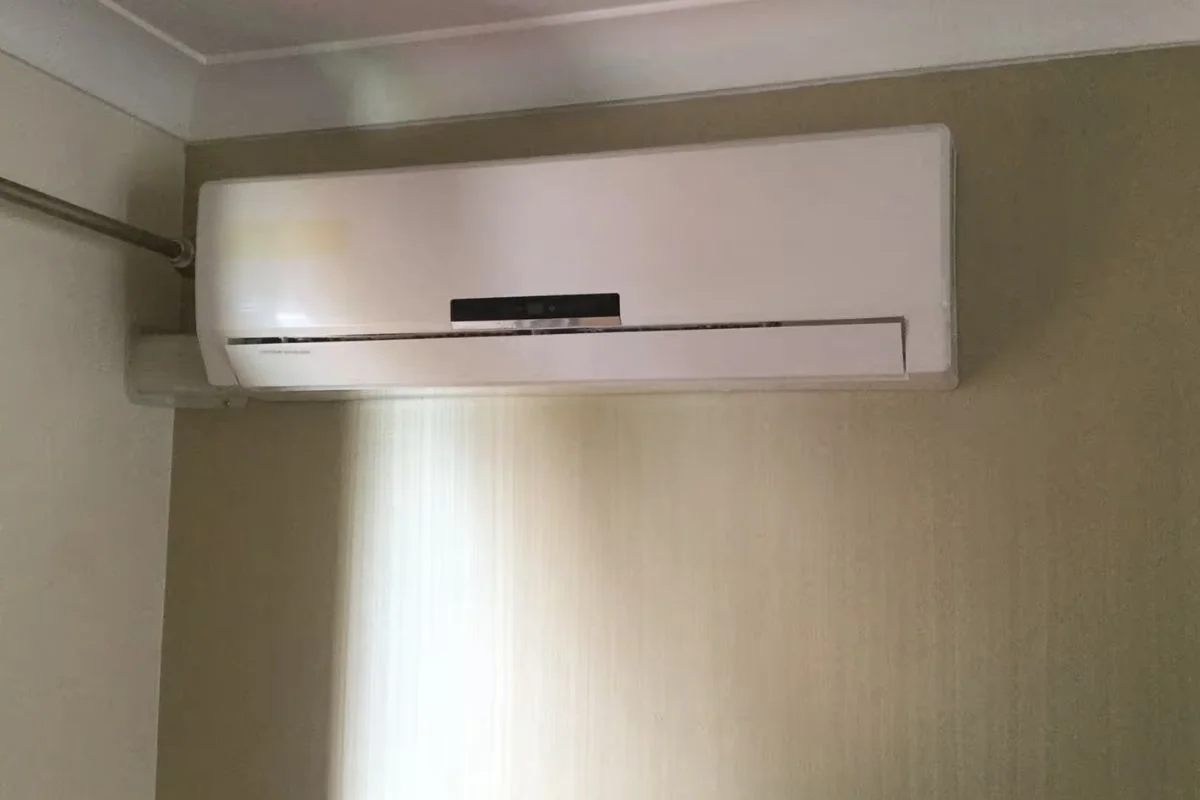
Most air conditioner breakdowns don’t start on the day the system stops. They begin months earlier, as small changes no one notices. A thin layer of dust settles on a coil. A filter loses a little airflow each week. A drain line slowly gathers slime. None of these feel urgent on their own. Together, they create a kind of hidden debt that comes due on the hottest day of the year.
This article looks at that build-up from a different angle. It’s less about what to clean and more about why gradual decline is so easy to miss. It also covers what that means for your energy bills, comfort and repair risk.
The Problem With Gradual Decline
People are good at noticing sudden change. We are poor at noticing slow change. An aircon that loses two percent of its performance each month never feels broken. It just feels slightly less crisp than you remember.
That is why build-up is so dangerous. The system adapts by running longer cycles to reach the set temperature. The room still cools, so the owner assumes all is well. In reality, the unit is working harder for the same result.
This creates a false baseline. Each summer, you compare the system to last summer, not to how it performed new. The decline gets absorbed into “normal” and goes unquestioned.
Why Longer Run Times Matter
Run time is the quiet signal most homeowners ignore. A healthy split system cycles on, reaches temperature, then eases off. A struggling one runs almost continuously.
Continuous running has two costs. The first is electricity, since the compressor is the most power-hungry component. The second is wear. Motors, capacitors and bearings have finite lifespans. Extra hours bring their failure date closer.
How Build-Up Turns Into a Breakdown
Build-up rarely causes failure directly. Instead, it creates conditions that push a weak component past its limit. Understanding this chain helps explain why breakdowns cluster in heatwaves.
Airflow Restriction
A clogged filter or dusty evaporator coil reduces the air moving across the coil. Less airflow means the coil can’t absorb heat properly. In some cases, the coil temperature drops so low that ice forms.
Ice blocks airflow even further. This creates a feedback loop. Meanwhile, the indoor fan motor strains against the restriction. That extra load generates heat inside the motor, which shortens its life.
Heat Rejection Outdoors
The outdoor unit has its own build-up problem. Leaves, pollen, salt air and grime coat the condenser fins. These fins need to release heat into the outside air.
When they are coated, heat stays trapped in the refrigerant. System pressures rise and the compressor works under greater stress. On a 33-degree day, that margin disappears quickly. This is often when a tired compressor or capacitor finally gives out.
Moisture and the Drain System
Air conditioners remove a surprising amount of moisture from indoor air. In humid climates like Southeast Queensland, this matters a great deal. The water drains away through a small line and tray.
Over time, biological growth can partly block that drain. Water then backs up and leaks inside the home. It may also create musty smells that owners mistake for “old aircon odour.” The real cause is standing water and microbial growth.
Why Mild Weather Hides the Truth
A system can seem perfect in spring and fail in January. This isn’t bad luck. Mild weather simply doesn’t test capacity.
On a 24-degree day, even a degraded unit has spare headroom. It can absorb inefficiency without showing symptoms. On a 35-degree humid afternoon, that headroom vanishes. Every weakness is exposed at once.
This is the core insight behind pre-summer servicing. You are not fixing a visible problem. You are restoring the margin the system will need under peak load. For a deeper breakdown of the specific faults that accumulate, refer to this article: https://deepchill.com.au/whats-quietly-building-up-inside-your-aircon-before-summer/
The Real Cost of Waiting
Many homeowners treat servicing as optional because the system “still works.” It helps to frame the decision differently. The question isn’t whether to spend money. It’s when, and under what conditions.
Timing and Availability
Technicians are busiest during heatwaves. That is exactly when neglected systems fail. Waiting times often stretch during peak periods, leaving households without cooling for days.
A service booked in spring happens on your schedule. A breakdown in summer happens on the system’s schedule, usually at the worst moment.
Repair Versus Prevention
Cleaning a coil or clearing a drain is routine work. Replacing a burnt-out fan motor or failed compressor is not. Prevention addresses causes. Repairs address consequences, which are almost always more expensive.
There is also a cumulative effect. A system that runs dirty for several years ages faster overall. You may lose years of useful life without ever seeing a dramatic failure.
What You Can Check Yourself
Some build-up is visible to homeowners. Checking it won’t replace a professional service, but it builds awareness.
Start with the filters. Most split systems allow easy removal. If they look grey or matted, airflow is already restricted. Rinse them gently and let them dry fully before refitting.
Next, look at the outdoor unit. Clear leaves and debris from around it and keep plants trimmed back. The unit needs space to breathe.
Finally, notice behaviour. Is the system running longer than it used to? Are there new smells, drips or noises? These small cues are the early warnings of build-up.
Where DIY Stops
Refrigerant levels, electrical connections and internal coil cleaning need trained technicians. Refrigerant handling also requires licensing in Australia. Attempting these tasks without training risks damage and safety issues.
Conclusion: Restore the Margin Before You Need It
Air conditioners rarely fail without warning. The warnings are simply too quiet to notice. Dust, grime and moisture steadily erode the system’s ability to cope with heat.
The smart move is to stop judging your aircon by how it feels on a mild day. Judge it by whether it’s ready for the hardest day of summer. A pre-season service restores that hidden margin. It also lowers running costs and extends the life of your investment.
Treat servicing like insurance against the worst week of the year. You will rarely regret having done it early.
Source: https://deepchill.com.au/whats-quietly-building-up-inside-your-aircon-before-summer/