For years, winter heating in many Australian homes followed a familiar pattern. A portable heater came out of storage, electricity usage spiked, rooms warmed unevenly, and comfort remained temporary at best. That approach is now changing rapidly, particularly in regions where winters are mild but still uncomfortable enough to affect sleep, productivity, and indoor wellbeing. Reverse-cycle air conditioning systems have quietly become one of the most practical long-term heating solutions available, and much of that conversation increasingly revolves around Daikin’s heat mode technology.
What makes this shift interesting is not simply that homeowners want warmer homes. It is that expectations around energy efficiency, year-round climate control, and operating costs have changed. Consumers are no longer evaluating heating appliances in isolation. They are looking at total household performance, long-term electricity consumption, indoor air quality, and system versatility. In that environment, premium reverse-cycle systems are no longer viewed as luxury upgrades. They are increasingly seen as infrastructure investments.
The recent analysis from DEEPCHILL on Daikin heat mode reflects this broader market transition and explains why many households are reconsidering the true cost of “cheap” heating solutions: https://deepchill.com.au/daikin-heat-mode-is-it-worth-the-price/
The Hidden Economics of Winter Heating
One of the biggest misconceptions in residential heating is that lower upfront cost automatically means better value. Portable electric heaters appear inexpensive initially, but they often create a long-term cycle of inefficient energy consumption. Traditional resistance heaters generate warmth by converting electricity directly into heat, which is significantly less efficient than heat pump technology.
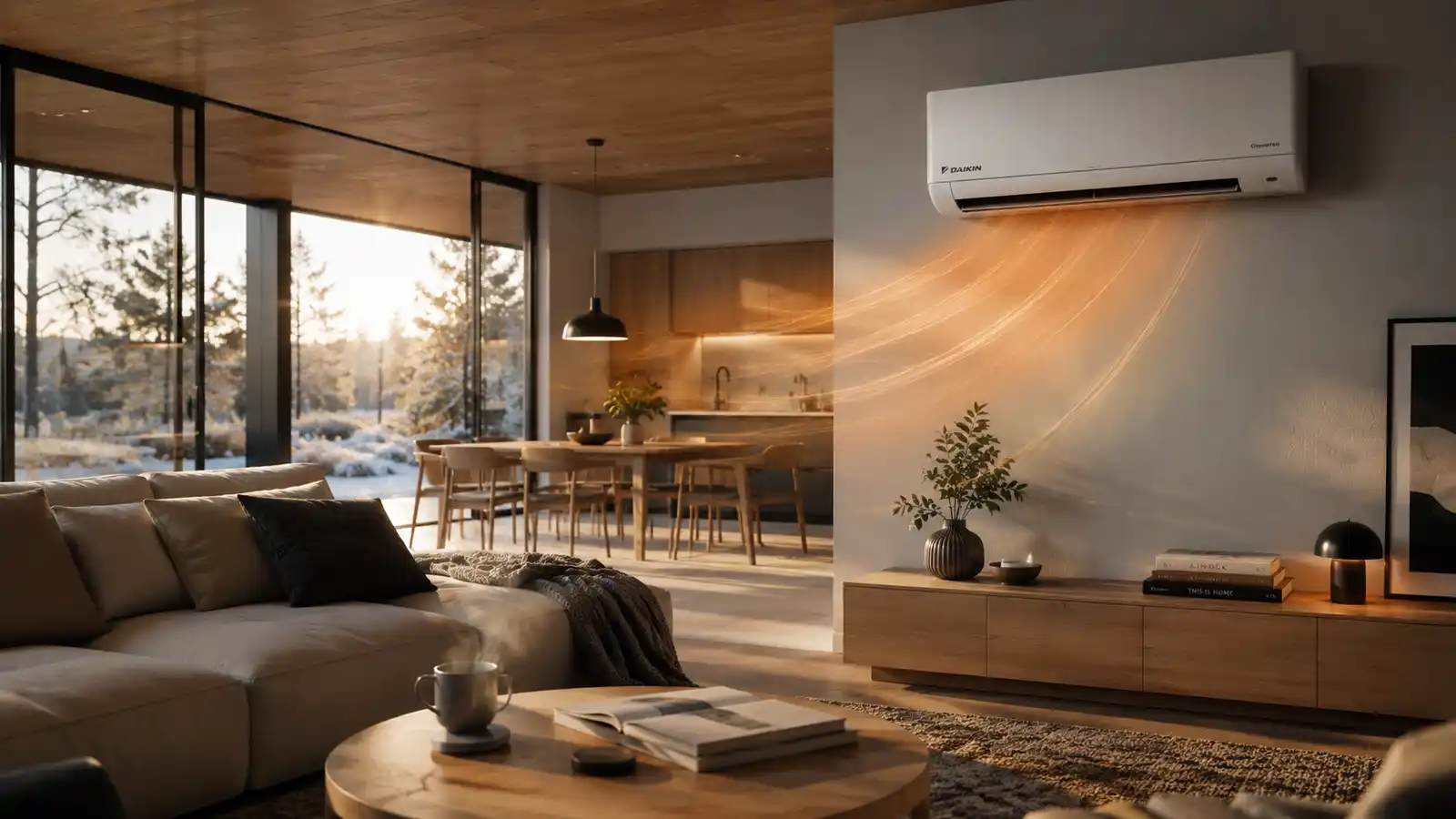
Daikin heat mode operates differently because it transfers thermal energy from outside air into the home instead of generating heat from scratch. This distinction matters enormously from an energy perspective. Even in relatively cool conditions, modern reverse-cycle systems can extract usable warmth from outdoor air and redistribute it indoors with far greater efficiency than conventional heaters.
For Australian households facing rising energy costs, this changes the financial equation entirely. What once looked like an expensive air conditioning upgrade increasingly becomes a strategy for reducing seasonal electricity volatility. That is particularly relevant in larger homes where portable heating often creates fragmented comfort zones while still generating substantial power consumption.
The broader appeal of Daikin systems is tied to consistency as much as raw efficiency. Inverter technology continuously adjusts compressor performance instead of repeatedly switching on and off like older systems. The result is a more stable indoor environment with fewer temperature fluctuations and less wasted energy.
Why Comfort Has Become a Technology Conversation
Modern heating discussions are no longer purely about temperature. Comfort today is increasingly shaped by airflow quality, humidity balance, acoustic performance, and environmental responsiveness. This is one reason premium systems like Daikin have gained traction among homeowners who previously would not have considered investing heavily in climate control.
Traditional heaters often create harsh, dry warmth concentrated around a single area. Reverse-cycle systems distribute conditioned air more evenly throughout the room while maintaining more stable humidity levels. Several Daikin systems also incorporate filtration technologies designed to reduce airborne particles and allergens indoors.
That broader comfort experience matters because Australians are spending more time indoors during colder months while simultaneously expecting homes to function as workspaces, entertainment spaces, and recovery spaces. Heating quality now affects concentration, sleep quality, and even perceived wellbeing.
What is particularly notable is how consumer perception has evolved around heat pumps themselves. A decade ago, many buyers still viewed reverse-cycle systems primarily as cooling products with secondary heating functionality. Today, the heating capability has become a major purchase driver in its own right.
Daikin’s heat mode has benefited from this shift because the company’s positioning focuses heavily on operational stability and intelligent temperature management rather than just raw heating output. The technology emphasis resonates with homeowners seeking predictable, low-maintenance climate control rather than seasonal stopgap solutions.
The Real Question Is Reliability, Not Just Price
Consumers often ask whether Daikin systems justify their premium pricing, but the more important question is whether the system remains reliable and economical over years of operation. That distinction explains why discussions around Daikin products frequently focus on long-term ownership experiences rather than simply installation costs.
Across homeowner forums and HVAC discussions, users consistently mention energy efficiency, stable temperature control, and quiet operation as major advantages. At the same time, some discussions highlight concerns around installation quality, configuration settings, or expectations about temperature calibration.
That nuance is important because high-performance HVAC systems depend heavily on correct sizing, installation, and configuration. Even premium hardware can underperform if airflow design, thermostat placement, or installer settings are poorly optimized. In practice, the installer often matters almost as much as the equipment itself.
This is where specialist providers like DEEPCHILL become increasingly relevant. As HVAC systems become more technologically sophisticated, homeowners rely more heavily on experienced installers who understand zoning behaviour, inverter logic, airflow balancing, and climate-specific configuration. The era of treating air conditioning as a simple appliance purchase is fading quickly.
Reverse-Cycle Heating Is Also Becoming an Environmental Decision
Another factor driving adoption is environmental pressure. Australian households are becoming more conscious of how heating choices affect long-term sustainability and household emissions. Reverse-cycle systems align naturally with that trend because they deliver more heat output per unit of electricity consumed than conventional electric heating systems.
Daikin’s use of newer refrigerants like R-32 also plays into this narrative, particularly among consumers seeking systems with lower environmental impact compared to older refrigerant technologies.
What is emerging is a broader redefinition of what “efficient living” actually means. It no longer refers only to insulation or solar panels. Increasingly, homeowners view climate control systems as central components of energy strategy. Heating and cooling infrastructure is becoming integrated into conversations around sustainability, energy resilience, and property value.
That trend is likely to accelerate as electricity pricing becomes more volatile and consumers seek technologies capable of delivering year-round performance instead of seasonal functionality.
The Shift Away From Temporary Heating Solutions
Portable heaters solved a short-term problem for many Australians, but they rarely solved the broader issue of whole-home comfort. The appeal of systems like Daikin heat mode lies in permanence. Homeowners are moving away from reactive heating habits and toward integrated environmental control.
That shift reflects something larger than HVAC technology alone. It reflects changing expectations around how homes should function. Comfort is no longer treated as seasonal convenience. It is increasingly viewed as part of everyday quality of life.
For households evaluating whether premium reverse-cycle systems justify the investment, the answer depends less on the sticker price and more on how they define value over time. Lower operating costs, quieter performance, healthier indoor conditions, and all-season functionality create advantages that are difficult to measure through upfront pricing alone.
As more Australians reconsider how they heat their homes, systems like Daikin heat mode are becoming less of a premium niche and more of a mainstream long-term solution.verall indoor living quality, premium heating systems are likely to become less of a luxury niche and more of a mainstream expectation.