Most homeowners think about air conditioning maintenance only when summer heat becomes unbearable. The logic feels obvious: if the system is mainly used for cooling, maintenance should happen before the hot season begins. But that mindset ignores how modern air conditioning systems actually operate, especially in Australian homes where reverse-cycle units work year-round.
Winter is often the period when hidden system stress accumulates quietly. Dust builds inside filters and coils, condensation creates moisture risks, airflow efficiency declines, and electrical components work harder under longer heating cycles. By the time summer arrives, many systems are already underperforming before the first major heatwave even begins.
This is why preventative servicing before winter has become increasingly important, particularly for households relying on reverse-cycle systems for heating. The issue is no longer just comfort. It is energy efficiency, air quality, equipment lifespan, and long-term operating cost.
For homeowners trying to understand whether winter maintenance is genuinely necessary or simply another upsell tactic from HVAC companies, the answer lies in how modern systems age under continuous seasonal demand.
Reverse-Cycle Air Conditioning Changed the Maintenance Equation
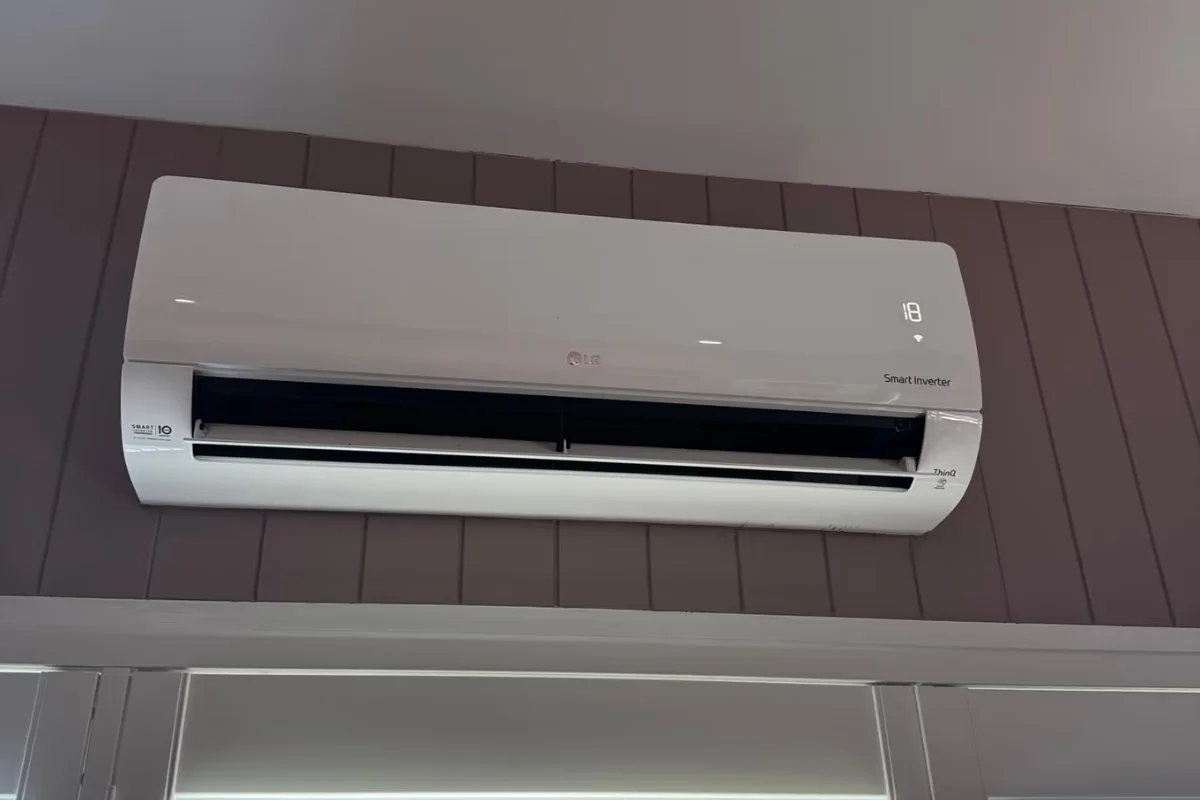
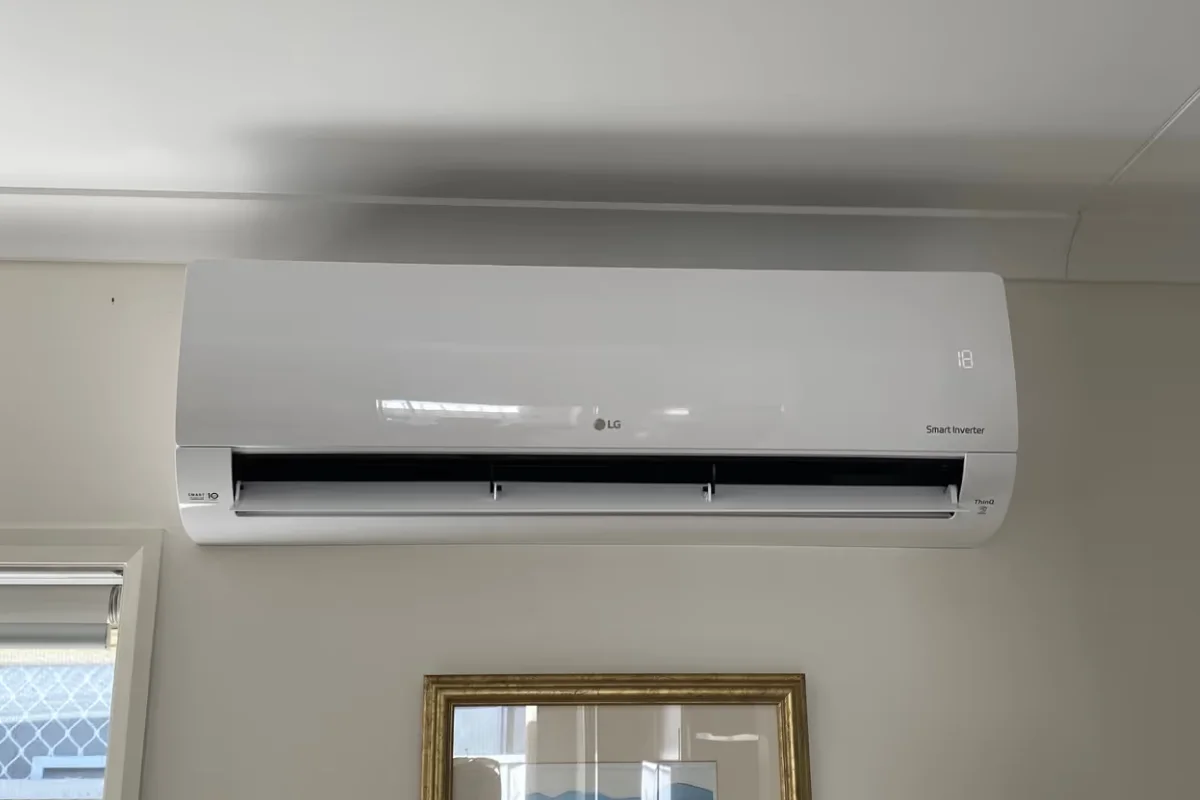
Traditional air conditioning systems were largely dormant during winter. In that environment, maintenance schedules centered naturally around summer preparation. But reverse-cycle technology transformed air conditioners into year-round climate systems. In many Australian homes, especially across Queensland, units now spend winter operating for longer continuous periods than they do during summer.
That operational shift changes everything about maintenance priorities.
When an air conditioner runs in heating mode, the internal components still depend heavily on unrestricted airflow, clean coils, balanced refrigerant performance, and stable electrical systems. Dust accumulation that seems harmless in autumn can significantly reduce heating efficiency during winter. Even minor airflow restrictions force the compressor and fan motors to work harder for longer periods.
Industry maintenance data consistently shows that neglected systems consume more electricity while delivering weaker heating performance. Poor airflow also increases the likelihood of moisture buildup and microbial growth inside indoor units. Over time, that affects not only efficiency but indoor air quality itself.
The hidden problem is that homeowners often normalize gradual performance decline. They adapt to slower room heating or slightly higher power bills without recognizing that the system is deteriorating underneath normal daily use.
Winter Maintenance Is Really About System Longevity
Many HVAC conversations focus too heavily on short-term performance and not enough on lifecycle economics. Air conditioners are long-term infrastructure investments. A well-maintained system can remain efficient for well over a decade, while neglected systems frequently experience expensive failures much earlier.
The financial difference between routine servicing and premature compressor replacement is enormous.
What makes winter particularly important is the way heating cycles expose weaknesses inside the system. Components that survived summer cooling loads may begin showing stress during sustained winter operation. Refrigerant imbalances, blocked drainage systems, deteriorating insulation, dirty evaporator coils, or failing capacitors often reveal themselves during colder months because the system operates continuously for extended periods.
Professionally maintained systems also avoid another common issue: seasonal startup failures. Many homeowners discover problems only when they first attempt to switch modes at the beginning of extreme weather periods. That timing creates high service demand, longer technician wait times, and potentially higher repair costs.
Preventative winter servicing is therefore less about fixing existing breakdowns and more about reducing the probability of future operational interruptions during peak seasonal demand.
Air Quality Becomes a Bigger Issue During Winter
One of the least discussed aspects of air conditioning maintenance is indoor air quality. Yet winter often creates the conditions where neglected systems become most problematic.
Homes remain closed for longer periods during colder weather. Windows stay shut. Ventilation decreases. At the same time, reverse-cycle systems recirculate indoor air repeatedly through filters and internal components that may already contain months of dust, moisture, allergens, and microbial buildup.
This creates a surprisingly important health consideration.
Dirty filters and contaminated coils do not simply reduce airflow. They can contribute to musty odors, allergen circulation, and poor respiratory comfort, particularly for households with asthma sensitivities or young children. HVAC technicians increasingly report mold-related issues in systems that were heavily used in heating mode without regular cleaning.
The modern consumer expectation around home comfort has evolved. People no longer judge air conditioning purely by temperature control. Quiet operation, cleaner indoor air, humidity balance, and energy efficiency now shape the overall experience of a well-performing system.
That broader definition of comfort makes preventative maintenance far more valuable than many homeowners realize.
Why Professional Maintenance Matters More Than DIY Cleaning
Basic maintenance certainly helps. Cleaning filters, removing debris around outdoor units, and checking visible airflow obstructions are useful homeowner habits. But those tasks represent only a small fraction of what determines long-term system performance.
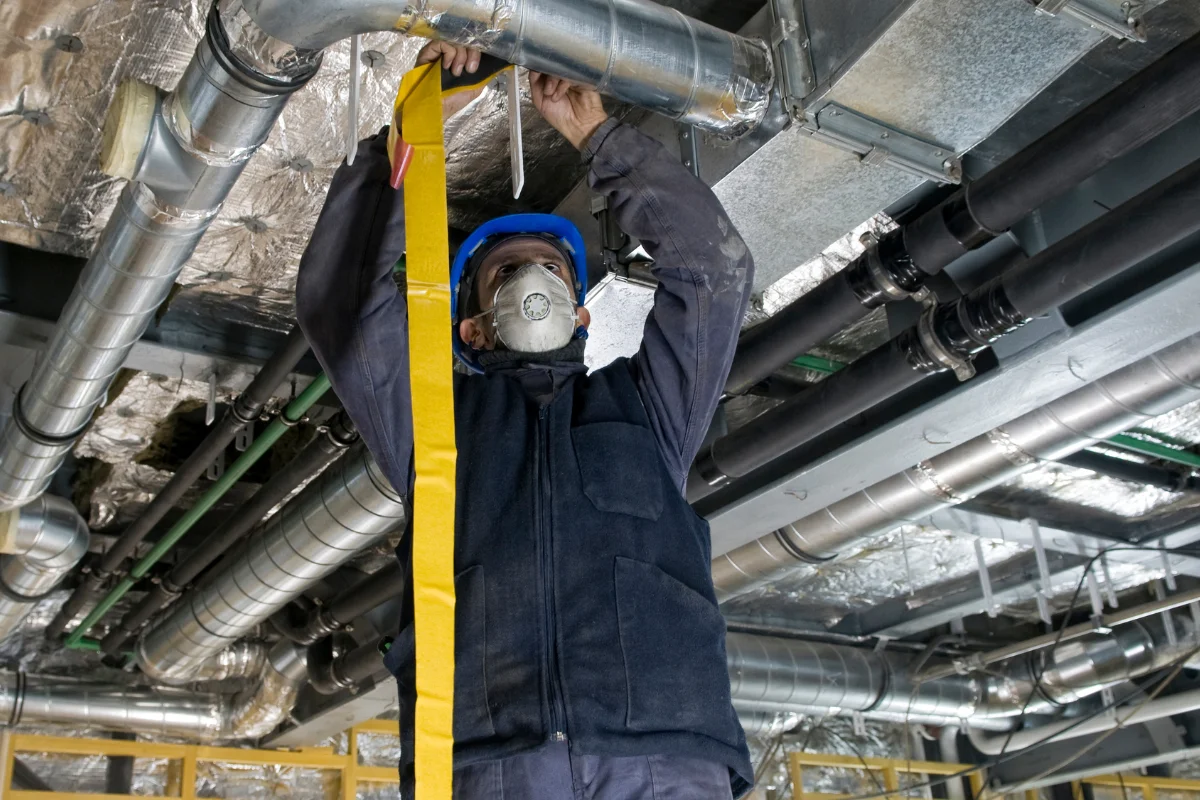
Professional servicing involves inspecting refrigerant pressures, electrical integrity, drainage systems, fan performance, coil condition, corrosion risks, and operating efficiency under load. Many developing issues remain invisible until they create noticeable failures.
This distinction matters because modern inverter systems are significantly more complex than older fixed-speed air conditioners. Efficiency gains came with more advanced electronics, tighter tolerances, and greater reliance on precise operating conditions. Small inefficiencies can cascade into larger energy losses over time.
Companies like DEEPCHILL increasingly position preventative maintenance not as optional servicing but as part of protecting the overall performance ecosystem of the home. Their broader focus on system care, airflow optimization, deep cleaning, and long-term reliability reflects how the HVAC industry itself has shifted toward lifecycle management rather than reactive repair alone. For a deeper breakdown, refer to: https://deepchill.com.au/do-you-need-to-maintain-your-ac-before-winter/
The Real Cost of Skipping Maintenance Is Usually Delayed
The reason many homeowners postpone servicing is simple: neglected systems often continue functioning for quite a while before catastrophic failure occurs.
That delay creates a false sense of savings.
In reality, the costs usually appear gradually through higher electricity consumption, reduced heating output, increased runtime, noisier operation, and incremental wear on expensive components. Because these changes happen slowly, they rarely trigger immediate concern.
But HVAC efficiency losses compound over time. A system operating even modestly below optimal efficiency throughout an entire winter season may generate substantial excess energy costs, particularly during periods of rising electricity prices.
There is also a broader sustainability dimension emerging here. As energy efficiency standards tighten globally and households become more conscious of environmental impact, maintaining existing systems efficiently becomes economically and environmentally preferable to premature replacement cycles.
The smarter question is no longer whether maintenance is strictly necessary. It is whether delaying maintenance genuinely saves money once long-term operating realities are considered honestly.
Preventative Maintenance Is Becoming Part of Smarter Home Ownership
Modern home ownership increasingly revolves around proactive system management rather than reactive emergency fixes. Air conditioning now sits alongside roofing, insulation, solar systems, and energy management as part of a home’s long-term operational infrastructure.
That mindset changes how maintenance is perceived.
Winter servicing is not simply about avoiding breakdowns. It is about protecting efficiency during the season when systems often work hardest for the longest continuous periods. It is about preserving indoor comfort quality, extending equipment lifespan, controlling operating costs, and reducing avoidable stress on expensive HVAC infrastructure.
For many households, especially those heavily dependent on reverse-cycle systems, the better question may not be whether maintenance before winter is necessary — but whether skipping it quietly creates costs that are simply harder to notice in the short term.