You set the thermostat to 21°C. The remote confirms it. Yet you are still reaching for a jumper at the kitchen table. This frustrates thousands of Gold Coast households every winter. The problem is rarely the number you chose. The problem is the gap between that number and what your home actually delivers.
Most advice about the temperature for whole house heating stops at recommending a range. That guidance is useful, but it assumes the dial tells the truth. It often doesn’t. Understanding why changes how you heat your home, and how much you pay to do it.
Your thermostat reads one spot, not your whole house
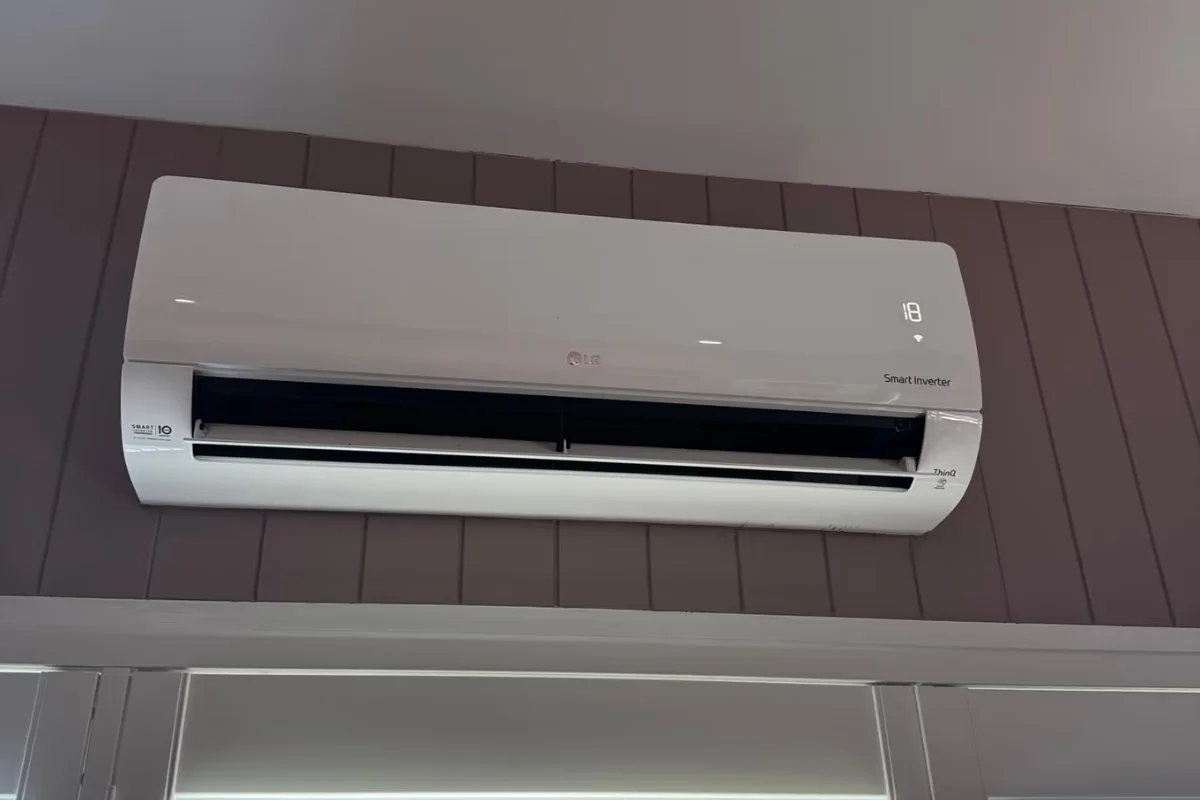
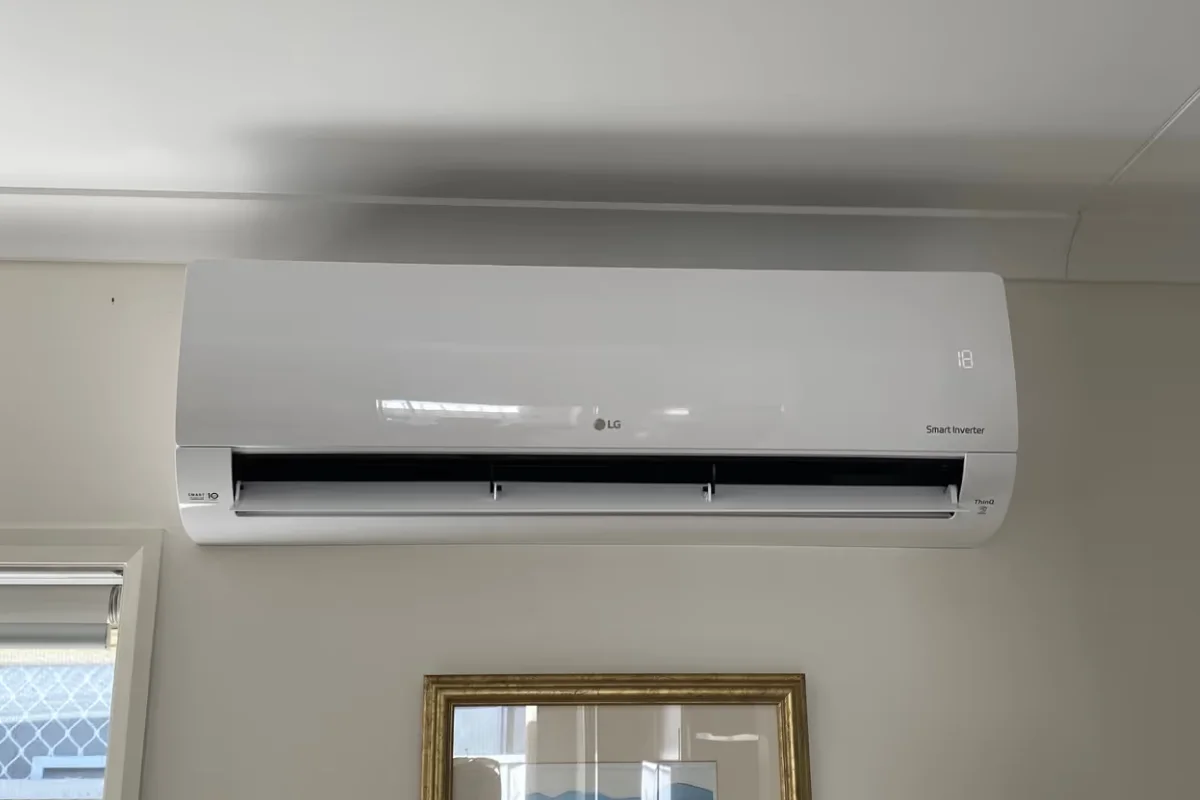
A reverse cycle system measures temperature at a single point. That point is usually the indoor head unit, mounted high on a living room wall. Heat rises, so the air near the ceiling is warmer than the air around your feet.
This creates an immediate illusion. The sensor reports 21°C while the floor where you actually live sits closer to 18°C. Your system thinks the job is done and eases off. You feel cold and assume the heater is weak.
Sensor placement quietly distorts everything
The location of that sensor shapes your entire experience. A unit above a sunny window reads warmer than the room truly is. A unit near a draughty hallway reads colder, so the system overworks. Neither reflects the temperature for whole house comfort you imagined when you picked the setting.
This is why two identical homes with the same setpoint can feel completely different. The number is the same. The reality is not.
Perceived warmth depends on more than air temperature
Humans do not feel air temperature directly. We feel the rate at which our bodies lose heat. Several factors drive that rate, and only one of them appears on your remote.
The biggest hidden factor is the temperature of surrounding surfaces. Cold walls, single-glazed windows, and tiled floors pull warmth out of your body through radiation. You can heat the air to 22°C, but if the walls are 15°C, you still feel a chill.
Humidity matters too. Coastal Gold Coast air carries moisture, and damp air feels cooler against the skin. Air movement from gaps and draughts has the same effect. This is why a sealed, dry room at 20°C feels warmer than a leaky room at 23°C.
Your house leaks the warmth you paid to create
Heat always moves toward cold. In winter, that means the warmth inside your home is constantly escaping outward. The speed of that loss decides how hard your system must work to hold a setting.
Poor ceiling insulation lets warm air vanish upward. Gaps under doors and around old window frames let it drift out sideways. Every leak forces your air conditioner to replace heat it already made. You are effectively heating the same room twice.
This explains a common complaint. A homeowner sets a sensible temperature, yet the bill still climbs and rooms never feel settled. The setting was fine. The building envelope was working against it the entire time. For the standard temperature ranges most homes start from, this overview is a useful reference: https://deepchill.com.au/what-temperature-should-you-set-for-whole-house-in-winter/
Run time, not the setting, drives your bill
People assume a higher number automatically means a higher bill. The truer measure is run time, meaning how long your compressor runs to reach and hold a target.
A well-sealed, well-maintained home reaches 21°C quickly, then idles. A leaky or neglected home chases the same 21°C all evening without ever fully arriving. The second home runs far longer, even at an identical setting. That extra run time is where the money disappears.
This reframes the whole question. The cheapest temperature for whole house heating is not the lowest number you can tolerate. It is the number your home can actually reach and hold with minimal effort.
Maintenance changes the maths
A clogged filter restricts airflow, so warm air struggles to circulate. Dirty coils reduce heat transfer, forcing longer cycles. Low refrigerant makes the system labour for every degree. Each fault lengthens run time and inflates cost, regardless of your setting.
This is why a service before winter often saves more than dropping your thermostat by a degree. You are restoring the system’s ability to deliver what you ask of it.
How to choose a setting that behaves honestly
Start by treating any recommended range as a starting point, not a guarantee. Set your system around 20°C, then judge the room at floor level rather than trusting the remote.
Next, address the surfaces and the leaks. Close curtains at dusk to trap radiant warmth against the glass. Block obvious draughts under doors. These small actions raise perceived warmth without touching the dial, which means shorter run times.
Finally, use zoning if your system allows it. Heating only the rooms you occupy concentrates output where it counts. A bedroom at 18°C and a living zone at 21°C reflects how you actually move through the house.
The takeaway
The single number on your remote is a request, not a result. Whether your home honours that request depends on sensor placement, surface temperatures, humidity, draughts, and the condition of your equipment.
Once you see the temperature for whole house heating as a system rather than a setting, your decisions sharpen. You stop chasing comfort by nudging the dial higher. You start removing the obstacles between the number you set and the warmth you feel. That shift is what keeps a Gold Coast home genuinely warm, and keeps the winter bill under control.
Source: https://deepchill.com.au/what-temperature-should-you-set-for-whole-house-in-winter/