Most advice about white steam from an outdoor unit starts and ends with reassurance. It tells you not to panic, then lists a few warning signs. That framing is useful, but it misses something. The steam itself is data. If you learn to read it, your outdoor unit becomes a low-cost diagnostic tool that warns you long before a breakdown.
This matters more on the Gold Coast than people assume. Our winters feel mild, so homeowners rarely watch their heating closely. That inattention is exactly why small faults go unnoticed until repair bills arrive.
Steam is the visible edge of an invisible process
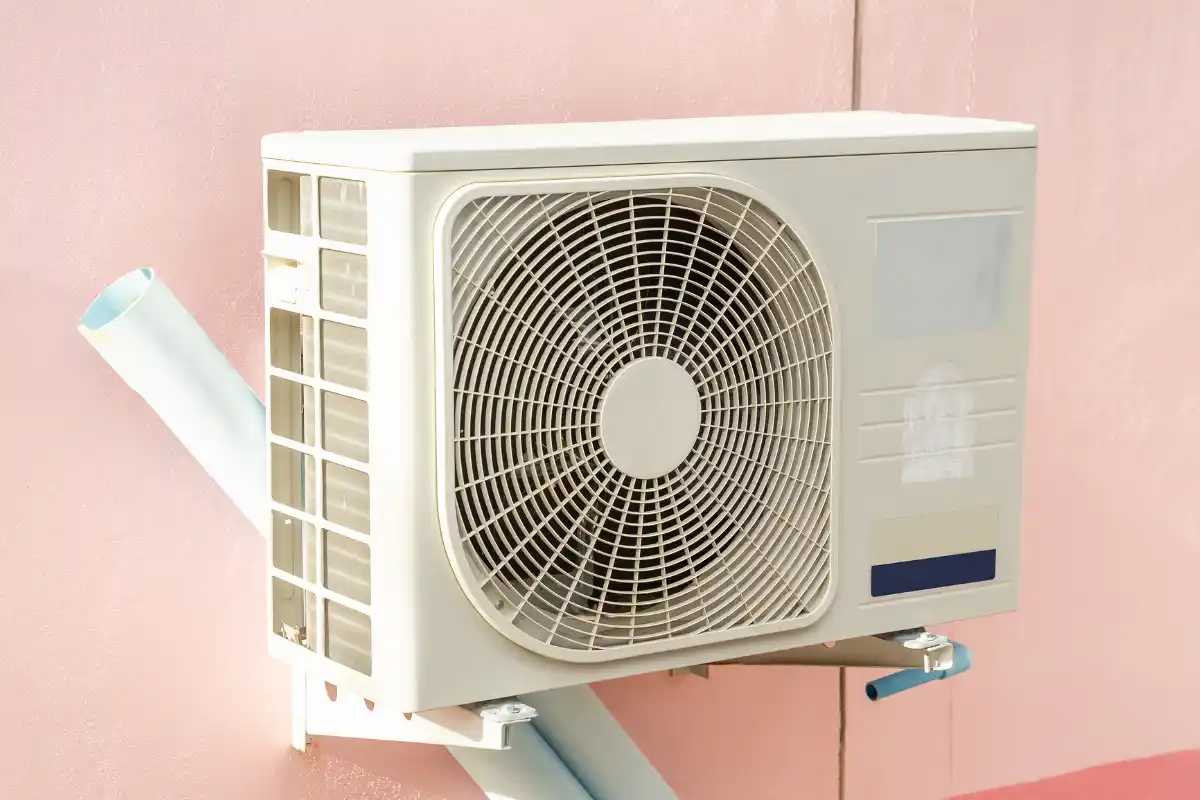
A reverse-cycle system extracts heat from outdoor air, even when that air feels cold. During this process, the outdoor coil drops below freezing. Moisture in humid coastal air then condenses and freezes onto the coil as frost.
The system responds by running a defrost cycle. It briefly reverses, sending warm refrigerant outdoors to melt the ice. That meltwater turns to vapour, hits cold air, and becomes the white plume you see.
So the steam is not random. It is the visible signature of a tightly controlled thermodynamic event. Understanding that lets you judge whether the event is healthy or not.
Why timing tells you more than appearance
Colour gets all the attention, but timing is the sharper diagnostic. A healthy defrost cycle follows a rhythm. The unit usually runs 35 to 40 minutes before its first defrost. The cycle itself lasts roughly 5 to 15 minutes, then clears.
When you know this rhythm, deviations become obvious. Steam that appears within minutes of startup suggests the coil is icing too fast. That points to airflow restriction or a refrigerant charge problem.
Steam that lingers well past 15 minutes suggests the system cannot complete its cycle. A failing defrost sensor, a stuck reversing valve, or low refrigerant can all trap the unit in a loop. The plume persists because the underlying physics never resolves.
Frequency is the signal homeowners ignore
A single visible defrost on a damp morning is unremarkable. Repeated defrost cycles within a short window are not. Frequency reveals how hard the coil is fighting to stay clear.
If your unit defrosts every 20 minutes, something is forcing excess frost formation. The cause is usually mundane. Blocked airflow, a clogged filter, or debris crowding the unit all push the coil colder than designed.
Each unnecessary defrost cycle also costs you. The system pauses heating, draws extra power, and stresses the compressor. So frequent steam is quietly inflating your winter bill while wearing components down.
When white turns into a real warning
The honest version of “when to worry” is narrower than most lists suggest. Genuine danger announces itself through your other senses, not just your eyes.
A burning, acrid, or plastic smell is the clearest red flag. That indicates overheating wiring or a failing motor, not melting frost. Smoke from electrical faults tends to look grey and feel chemical, while defrost vapour is light, odourless, and quick to disperse.
Sound matters too. Grinding, screeching, or buzzing points to mechanical or electrical failure. Paired with persistent steam, those noises justify switching the system off immediately and calling a technician.
One more sign is easy to overlook. If the outdoor unit stays caked in ice despite defrosting, the cycle is failing its core job. Ice that never clears will eventually choke airflow entirely.
The Gold Coast paradox
Our climate creates a specific trap. Winters here are short and gentle, so systems sit idle for months. Components seize, drains silt up, and refrigerant leaks go undetected during that dormancy.
Then the first genuinely cold, damp morning arrives. The system is suddenly asked to defrost reliably after a long rest. Faults that built up invisibly now surface as abnormal steam.
This is why timing your attention matters. The steam you see in early winter is often reporting on problems that formed during the warm idle months.
Turning observation into prevention
Reading the steam is reactive by nature. The real value comes from acting on what it tells you before symptoms escalate. Most preventable faults trace back to airflow.
Keeping at least 100mm of clearance around the unit allows proper circulation. Cleaning or replacing filters every one to three months prevents the coil from icing prematurely. Clearing the drainage path stops meltwater refreezing at the base, which compounds frost problems.
Modest thermostat settings help as well. Holding indoor temperatures around 20 to 22°C reduces the load that drives aggressive defrost cycles. For a deeper breakdown of normal versus abnormal behaviour, refer to this article: https://deepchill.com.au/why-is-white-steam-coming-from-your-outdoor-unit/
Professional servicing closes the gap that observation cannot. A technician verifies refrigerant levels, tests the defrost sensor, and inspects electrical parts you will never see steam from. Booking that check before deep winter is far cheaper than an emergency callout.
The takeaway
White steam is not a problem to dismiss or a crisis to fear. It is a recurring report on the health of your outdoor unit. Watched casually, it means nothing. Watched intelligently, its colour, timing, and frequency form an early-warning system you already own.
The skill is simple. Learn your unit’s normal rhythm, then treat any deviation as information worth acting on. On the Gold Coast, where heating faults hide behind mild weather, that habit is the difference between a quick service and a failed system.
Source: https://deepchill.com.au/why-is-white-steam-coming-from-your-outdoor-unit/