A broken heating system in July doesn’t just annoy one guest. It triggers refunds, bad reviews, and staff scrambling during peak season. Most hotel maintenance guides focus on tasks: clean the filter, test the thermostat, listen for noise. Those steps matter. But they miss the bigger question every general manager should be asking. What does HVAC failure actually cost, and why does it happen at the worst possible time?
Why Winter Failures Hit Harder Than Summer Ones
Gold Coast hotels rarely think about heating risk the way they think about cooling risk. Summer breakdowns feel urgent because guests complain immediately. Winter failures are quieter, at first. A slow drop in output, a unit that runs but never quite reaches temperature. Guests don’t always report this. They just leave a lower review score and don’t rebook.
That’s the hidden cost. Not the repair invoice. The silent erosion of guest satisfaction scores that feed directly into your booking platform rankings. A property with a 4.6 rating loses conversion share to one with 4.8, even at the same price point. HVAC performance is now a revenue variable, not just a facilities line item.
The Occupancy Multiplier
One faulty unit in a 120-room hotel sounds minor. Multiply it by peak winter occupancy, an 85% or higher fill rate typical for Gold Coast tourism season, and you get a different picture. That one room is unsellable, or sellable only at a discount with an apology. Across a season, recurring HVAC complaints in even 2-3% of rooms can measurably drag average daily rate.
This is why reactive maintenance is a false economy. Fixing a compressor after failure costs more in parts and labour than a scheduled service. But the bigger loss is opportunity cost: the nights that room sat empty or discounted while parts were sourced.
Why VRV and VRF Systems Fail Differently in Commercial Settings
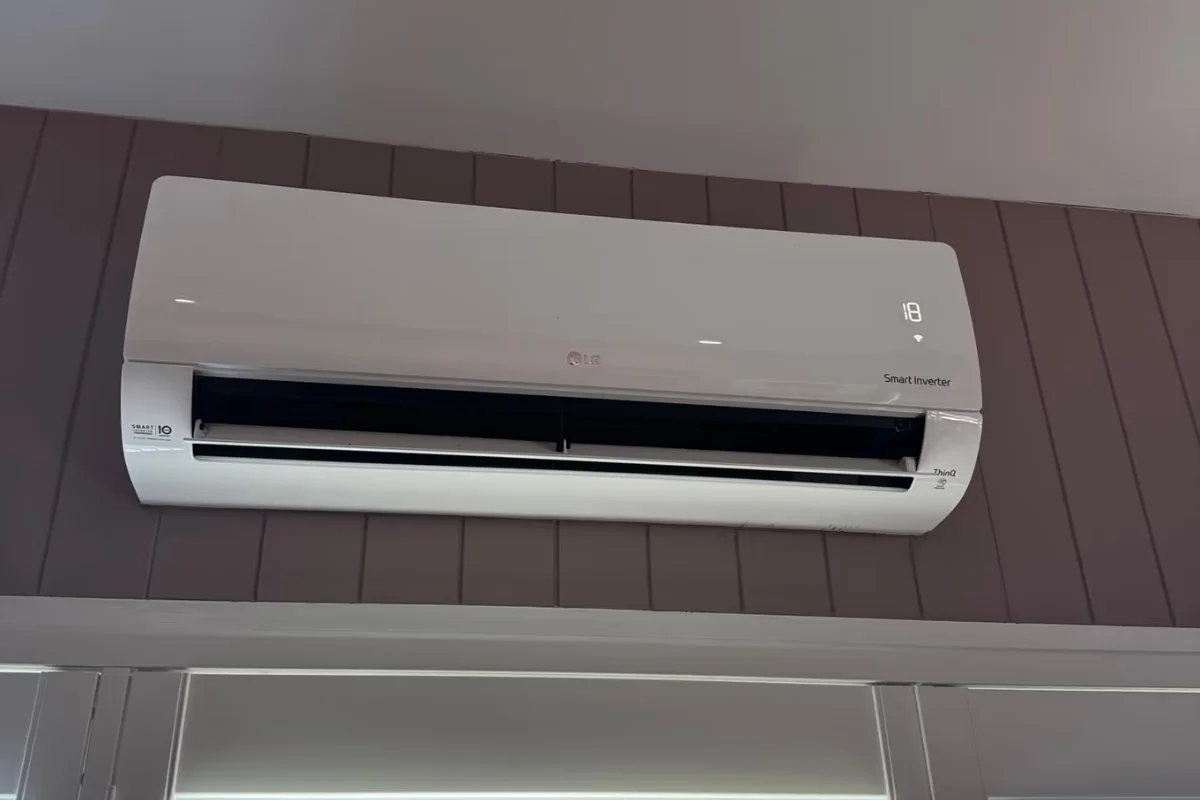
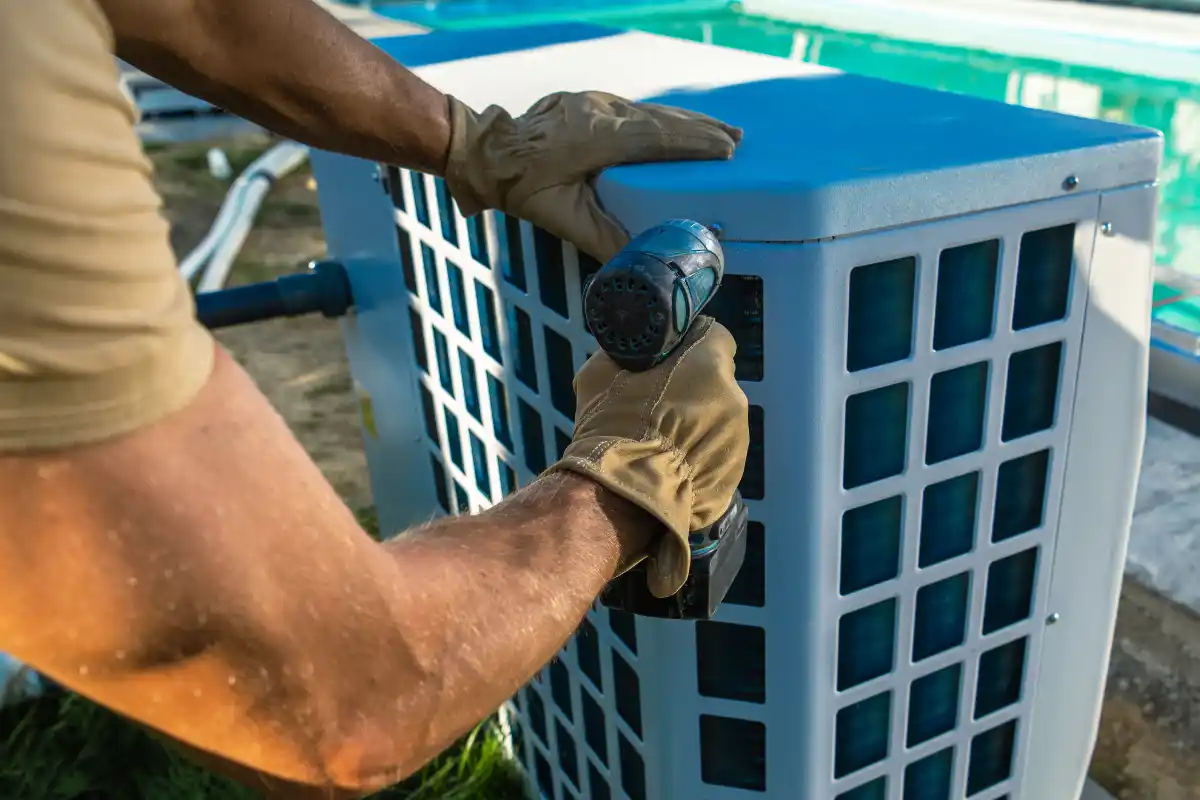
Most hotels on the Gold Coast run VRV or VRF systems because they scale well across many rooms on a shared refrigerant loop. That efficiency is also a vulnerability. A single compressor issue can ripple across multiple zones instead of staying isolated to one room.
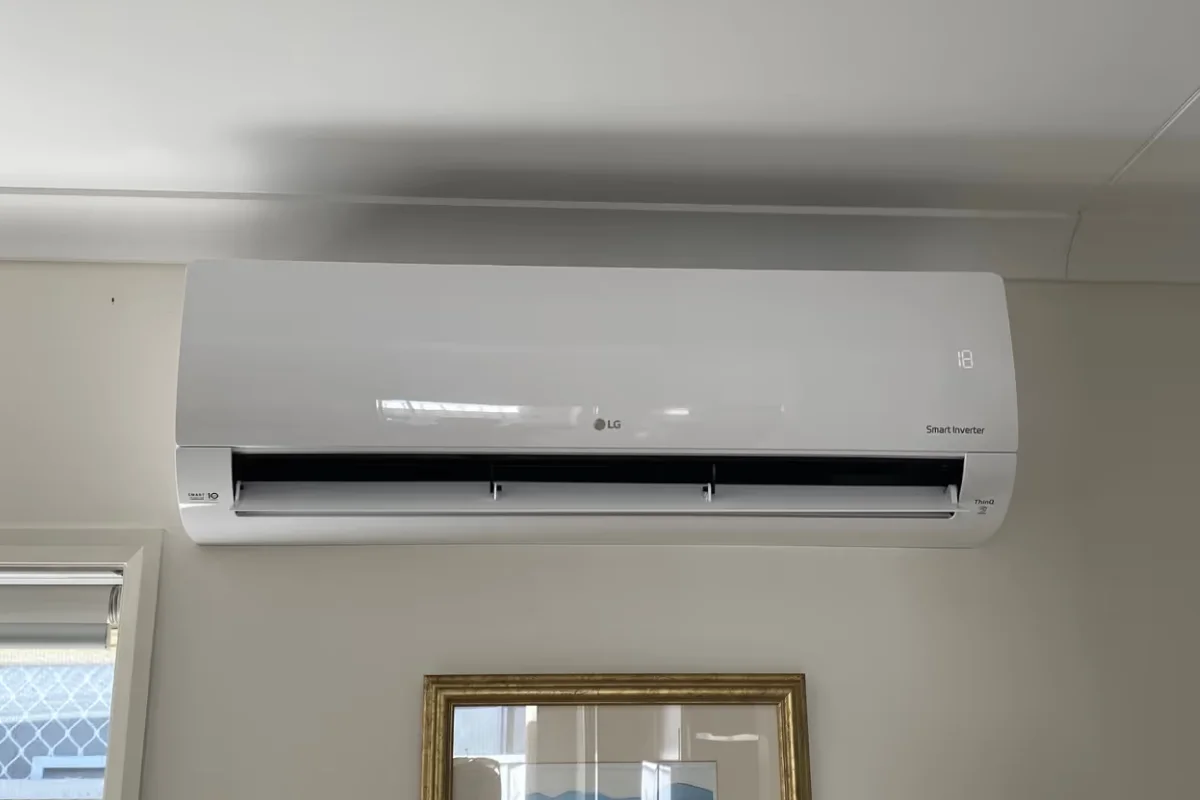
This is different from a standalone split system, where a fault stays contained. In a shared commercial loop, a refrigerant leak or pressure fault can trigger protection shutdowns across a wing of the building. Understanding this system architecture matters more than memorising a checklist. It explains why professional diagnosis, not guesswork, should follow any error code. A detailed maintenance breakdown covers the specific warning signs worth watching for, including unusual noises during fan reversal and error codes tied to refrigerant faults.
The Compliance Layer Owners Often Miss
Commercial HVAC in hospitality settings intersects with several compliance obligations most GMs don’t track closely. Indoor air quality standards, fire safety interlocks tied to HVAC shutdown sequences, and warranty conditions requiring documented service intervals. Skipping a scheduled service doesn’t just risk comfort. It can void manufacturer warranties on equipment that costs tens of thousands of dollars to replace.
Insurers are also paying closer attention. Some commercial property policies now ask for maintenance records after a claim involving water damage from condensate overflow or coil failure. No records can mean a disputed payout.
Reframing Maintenance as Revenue Protection, Not Cost Centre
The finance team at most hotels treats HVAC servicing as a maintenance expense to minimise. That framing misses how directly system reliability connects to rate integrity and guest retention.
A smarter model treats HVAC budget as insurance against three compounding losses: discounted or comped rooms, negative review impact on booking algorithm visibility, and emergency repair premiums that run 2-4x scheduled service rates. Viewed this way, a hydro clean package or deep coil service isn’t an add-on. It’s a hedge against a much larger, harder-to-quantify loss.
What This Means for Facilities Planning
Practical implication: budget HVAC servicing against occupancy forecasts, not calendar dates alone. Schedule deeper interventions, like coil cleaning, before your highest-occupancy months, not after complaints start. Autumn testing before winter, as most guides recommend, is sound advice. But pair it with a review of which rooms generated HVAC-related complaints last season. Patterns repeat. A unit that struggled last winter is statistically more likely to struggle again without targeted attention.
The Takeaway for Hotel Owners
Filters, thermostats, and error codes are the mechanics of HVAC maintenance. The strategy sits one level above that. It’s about understanding which failures cost you a service call, and which ones cost you a booking, a review, or a warranty claim.
Hotels that treat climate control as a revenue-protection system, not a facilities afterthought, tend to weather winter with fewer surprises and stronger guest retention scores. That shift in framing costs nothing to adopt. It just requires looking at HVAC spend differently than most finance teams are used to.
Source: https://deepchill.com.au/hotel-hvac-maintenance-checklist-prevent-winter-disasters/