Most people think the summer repair queue is a simple waiting list. You call, you get a number, and you wait your turn. In practice, it works very differently. A heatwave queue is a constantly shifting triage system. Your position depends on more than when you picked up the phone.
Knowing how that system works changes how you approach it. It shows why some households get a technician in two days while others wait two weeks. It also shows which parts of the delay you can control and which you can’t.
The Queue Is Not First Come, First Served
When hundreds of calls land in the same week, a service business can’t just work down a list. It has to decide which jobs matter most. Most experienced contractors weigh several factors at once.
Vulnerability is usually first. A home with an elderly resident, a newborn or someone with a heat-sensitive medical condition carries real risk. Responsible technicians move those jobs forward because the consequences of waiting are serious.
Commercial refrigeration often comes next. A failed coolroom at a café or butcher means stock is lost by the hour. That financial pressure pushes those calls up the list.
Existing customers also tend to get priority. A business that already services your system knows your equipment, its age and its history. Your job is easier to scope, so it slots into the schedule faster.
Geography matters too. Technicians group jobs by area to cut travel time. A call near an existing job in Robina may get booked before a slightly older call in Coolangatta. This isn’t favouritism. It is the only way to complete more repairs per day when traffic and holiday crowds slow everything down.
The implication is uncomfortable but useful. If you are a new customer with no urgent vulnerability, you will likely sit behind many people who called after you.
Why Each Repair Takes Longer in Peak Season
The queue is not only about technician numbers. It is also about how each job unfolds once someone arrives.
Diagnosis is often quick. An experienced technician can usually identify a failed capacitor, fan motor or control board within an hour. The slow part is the fix. Many components are specific to a brand and model. Wholesalers carry limited stock, and that stock drains fast in a heatwave.
This turns a single job into two or three visits. The technician diagnoses the fault, orders the part, then returns once it arrives. Every return visit takes another slot in an already full schedule. So your repair can effectively join the queue twice.
Faults that sat hidden through winter make this worse. Low refrigerant, dirty coils and worn parts all surface under full summer load. Several problems may appear on the same system at once. A job that looked like a quick fix becomes a longer one, which pushes everyone else back.
What Moves You Forward Once You’re in the Queue
You can’t control the weather or supply chains. You can control the quality of the information you give. That has a bigger effect than most people expect.
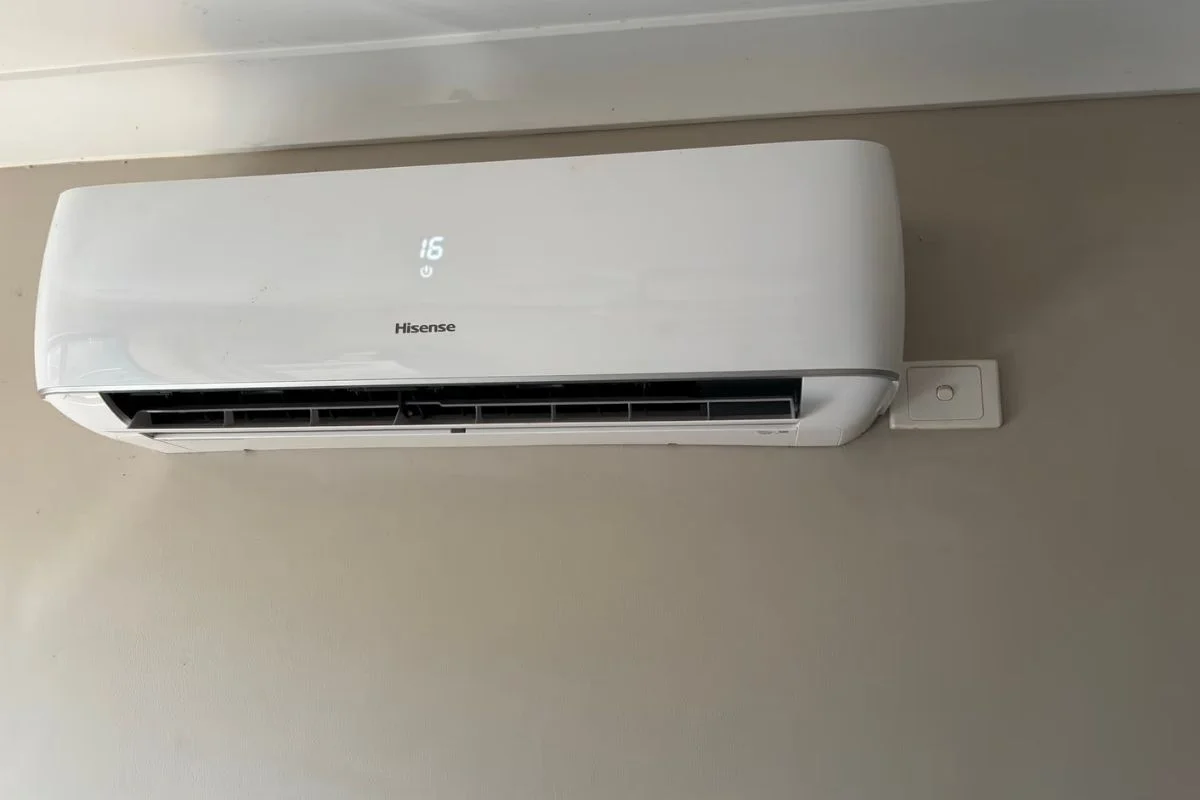
When you call, give the brand and model number. It is usually printed on a sticker on the side of the indoor unit. Mention the system’s approximate age. Note any error code flashing on the display. Describe the symptom precisely. “Fan runs but air isn’t cold” says far more than “it’s broken.”
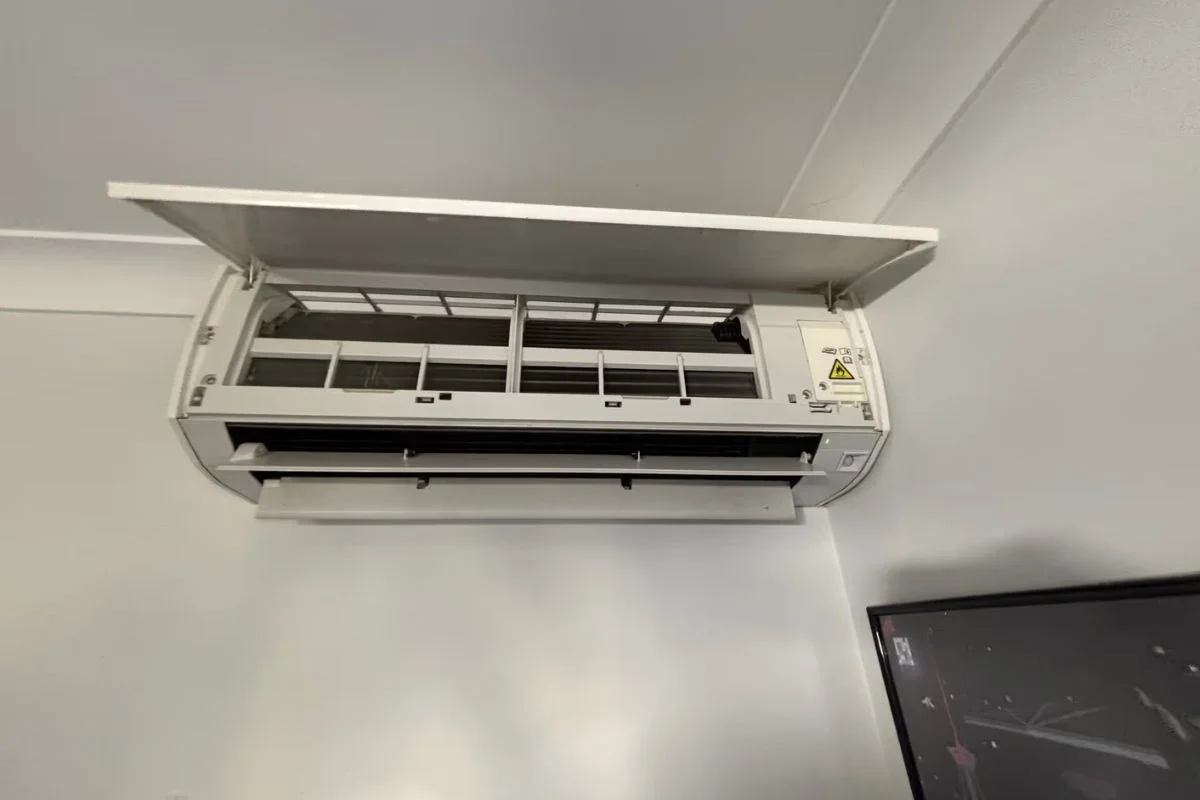
Photos help even more. A clear shot of the indoor unit, the outdoor unit and any visible ice, leaks or damage lets a technician anticipate the likely fault. They may arrive with the right part already on the van. That can turn a three-visit repair into one.
Flexibility also helps. If you can accept a short-notice cancellation slot, say so. Make sure the outdoor unit and any roof access are clear before the technician arrives. Every minute saved on site is a minute towards the next job.
Rule Out the Simple Causes First
A surprising number of peak-season callouts end with a tripped breaker or flat remote batteries. Check the switchboard and the outdoor isolator switch. Confirm the unit is in cooling mode, not fan or dry. Pull out and inspect the filter. A blocked filter can mimic a much bigger fault.
These checks take ten minutes. They may save you a callout fee and a long wait.
Living With the Wait Safely
If you are stuck in the queue, focus on managing heat rather than forcing the system back to life. Avoid restarting a unit that keeps tripping. Repeated restarts can damage the compressor and turn a modest repair into a replacement. Switch it off completely if you notice ice on the pipes, a burning smell or water pouring from the indoor unit.
Meanwhile, cool one room instead of the whole house. Close blinds on west-facing windows by early afternoon. Run ceiling or pedestal fans to keep air moving. Check regularly on older relatives or neighbours living alone.
The Real Fix Is Being Known Before It Gets Hot
The households that rarely wait in summer are not lucky. They are already on a contractor’s books. Their equipment details are on file, their service history is documented and their system was checked before peak load. Many hidden faults were caught long before the first heatwave.
DEEPCHILL explains why systems that seem fine in winter fail on the first hot day in this piece: https://deepchill.com.au/booked-air-conditioning-repair-in-january-youll-be-in-the-queue/. Its emergency response is also reserved for customers on a service plan. That reflects how priority works across the industry. Known customers move faster because their jobs carry less uncertainty.
On the Gold Coast, mid-spring is close to the last practical window. Technicians still have room in their diaries, and parts are easier to source. Once the first heatwave hits, both disappear quickly.
The Takeaway
The summer repair queue is not a line you can simply wait out. It is a priority system shaped by risk, information and existing relationships. You can improve your position with precise details, photos and flexibility. But the most reliable way to avoid a long wait is to never join the queue at all. A pre-summer service, booked while the calendar is still open, does exactly that.
Source: https://deepchill.com.au/booked-air-conditioning-repair-in-january-youll-be-in-the-queue/