Most homeowners think of an air conditioning service as a box to tick once a year. A technician arrives, something gets cleaned, and an invoice follows. That view misses what is actually happening inside a ducted system between visits. A ducted unit is the most expensive mechanical asset in many homes after the hot water system. Treating its maintenance as a routine errand, rather than a financial decision, is where most of the long-term cost comes from.
This article looks at servicing from a different direction. It asks what you lose when a service is skipped, what a good service should prove, and how to judge whether the money was well spent.
What a Ducted System Loses Between Services
Ducted systems rarely fail suddenly. They decline slowly, and that slow decline is the problem. Nobody notices a 3% drop in efficiency in one month. Over a year, small losses compound into a system that works much harder for the same comfort.
The quiet efficiency leak
Dust settles on the indoor coil in a thin film. That film acts like insulation, slowing heat transfer between the refrigerant and the air. The compressor then runs longer to reach the thermostat setting. Longer run times mean higher power bills and more wear on the most expensive component in the system.
The homeowner usually blames the weather or rising electricity prices. The real cause sits in the ceiling, invisible and gradually worsening.
Airflow that drifts out of balance
Ducted systems depend on balanced airflow across every zone. Over time, return grilles clog, flexible ducts sag, and dampers stick. One bedroom becomes noticeably warmer than the rest. People respond by lowering the set temperature, which pushes the whole system harder. A balancing problem turns into an energy problem without anyone connecting the two.
Why the Ductwork Deserves More Attention
Most servicing conversations focus on the indoor and outdoor units. The ductwork often gets a quick glance, if anything. That is a mistake, because ducts carry every cubic metre of air you breathe indoors.
Leaks you will never see
Duct joints loosen with heat cycling and roof movement. A disconnected section can dump conditioned air straight into the roof cavity. You are then paying to cool or heat insulation and timber rather than living spaces. A thorough technician checks connections at accessible points and listens for pressure loss.
Moisture and microbial growth
In humid coastal climates, condensation forms around cold surfaces inside the system. Drain trays that hold water become breeding grounds for mould and bacteria. Musty smells when the system starts are an early warning, not a quirk. Left alone, growth can spread into the duct lining, which is far harder and costlier to fix.
How Often Is Often Enough?
The standard guidance is an annual professional service for typical homes. That baseline is sensible, but it should not be treated as fixed. The right interval depends on how hard the system works and the environment it works in.
A system that runs heating in winter and cooling in summer accumulates nearly double the operating hours. Homes close to the ocean deal with salt-laden air, which corrodes outdoor coils and fins faster. Households with pets, ongoing renovations, or nearby construction load filters and coils with far more debris.
For these situations, six-monthly servicing often pays for itself. The extra visit costs less than the efficiency lost and the repairs avoided. For a deeper breakdown of service intervals and local conditions, refer to this article: https://deepchill.com.au/how-often-should-you-service-ducted-air-conditioning/
What a Good Service Should Prove
Here is a question most homeowners never ask. How do you know the service actually improved anything? A visit that leaves no evidence is hard to evaluate. A good technician should leave you with information, not just a cleaner filter.
Measurements, not impressions
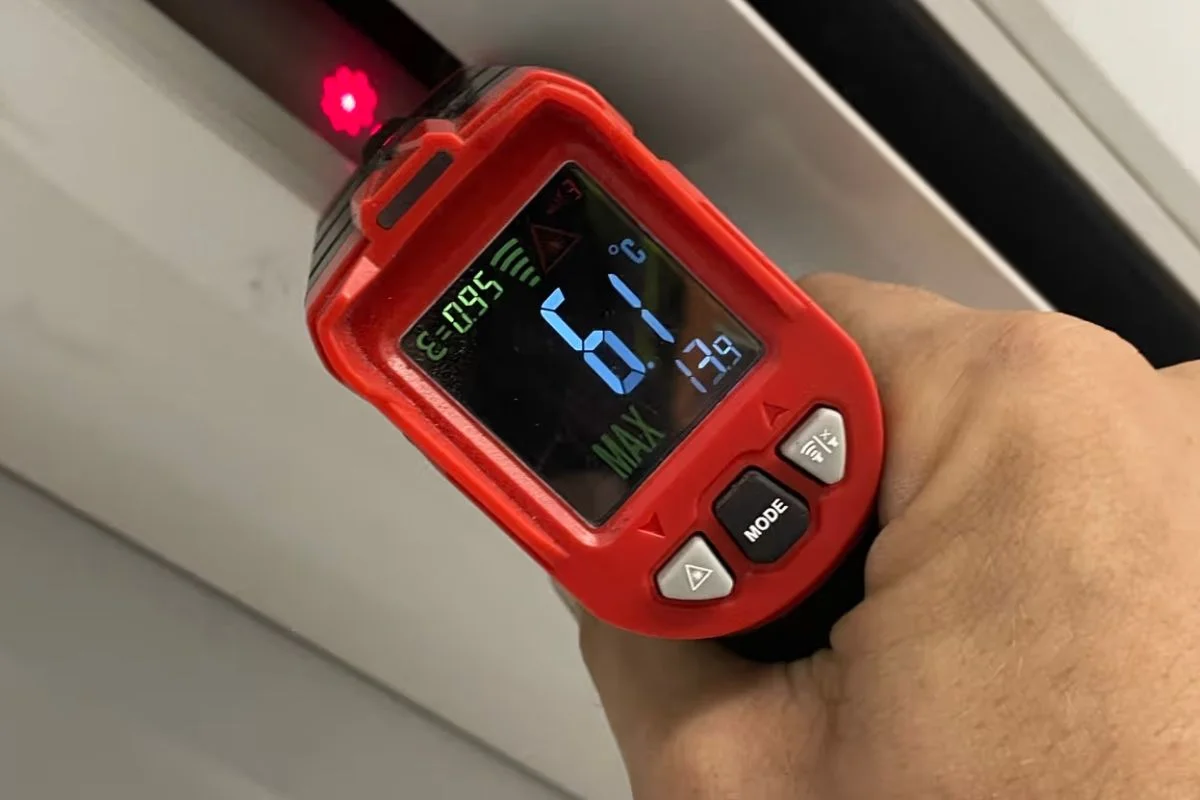
Ask whether the technician recorded supply and return air temperatures. The difference between them shows how effectively the system moves heat. Refrigerant pressures and electrical readings should also be checked and noted. These numbers create a baseline you can compare against next year.
Without a baseline, every service starts from zero. With one, gradual decline becomes visible before it turns into a breakdown.
Clear notes on emerging issues
A worn capacitor, a corroded fin pack, or a sagging duct run rarely fails tomorrow. A useful service report flags these items with a rough timeline. That lets you budget for repairs on your terms instead of in an emergency. Emergency call-outs during a heatwave almost always cost more.
The Real Economics of Skipping a Service
Skipping a service feels like saving money. In practice, it usually shifts the cost into less visible places.
Higher running costs appear gradually on quarterly bills. Component wear accelerates, shortening the time before a major repair. Compressor replacement on a ducted system can cost a significant share of a new unit. At that point, many owners face an awkward choice between an expensive repair and early replacement.
There is also a warranty angle. Many manufacturers require evidence of regular professional maintenance to honour claims. A missing service record can turn a covered repair into an out-of-pocket one. Keeping invoices and service reports in one place protects that value.
What Homeowners Can Handle Themselves
Owners do have a meaningful role between professional visits. Cleaning or checking return air filters regularly is the single most useful habit. Keeping the outdoor unit clear of plants, leaves, and stored items helps airflow. Noting changes in noise, smell, or zone temperatures gives the technician useful clues.
The boundary matters, though. Refrigerant handling, electrical work, and internal coil cleaning require licensed technicians. Attempting these risks damage, voided warranties, and personal safety.
Conclusion
Servicing ducted air conditioning is less about cleaning and more about protecting performance over time. The best approach treats each visit as a checkpoint. It should measure the system, record its condition, and flag what is coming. Homeowners who think this way spend less on power and repairs. They also replace their systems later and on their own schedule. The real question is not whether you can afford a service. It is whether you can afford the slow, hidden costs of going without one.
Source: https://deepchill.com.au/how-often-should-you-service-ducted-air-conditioning/