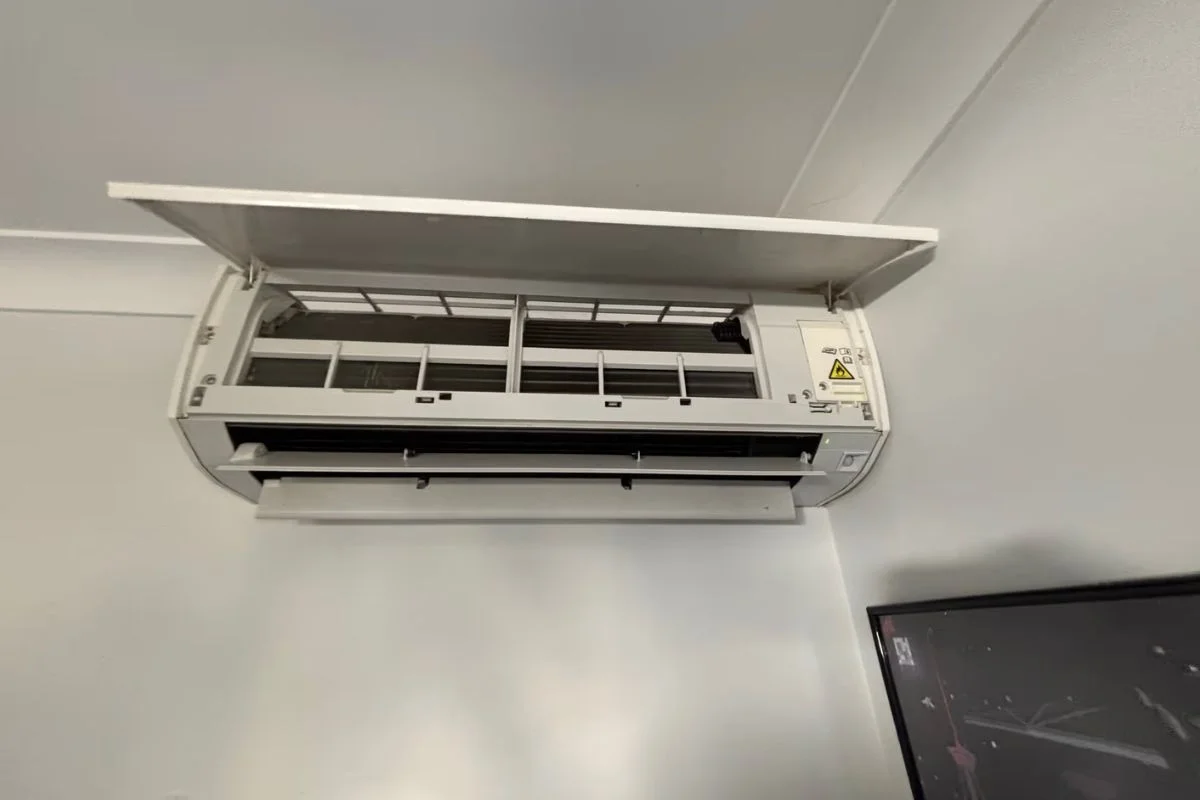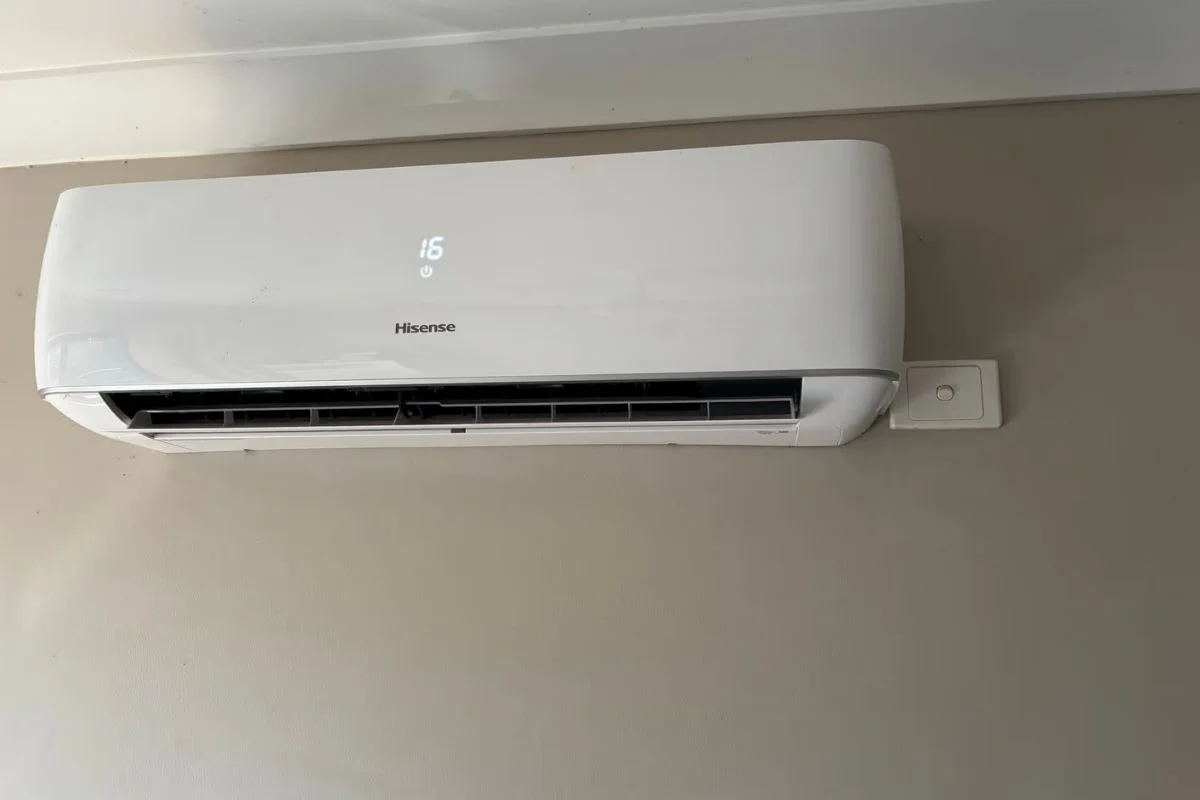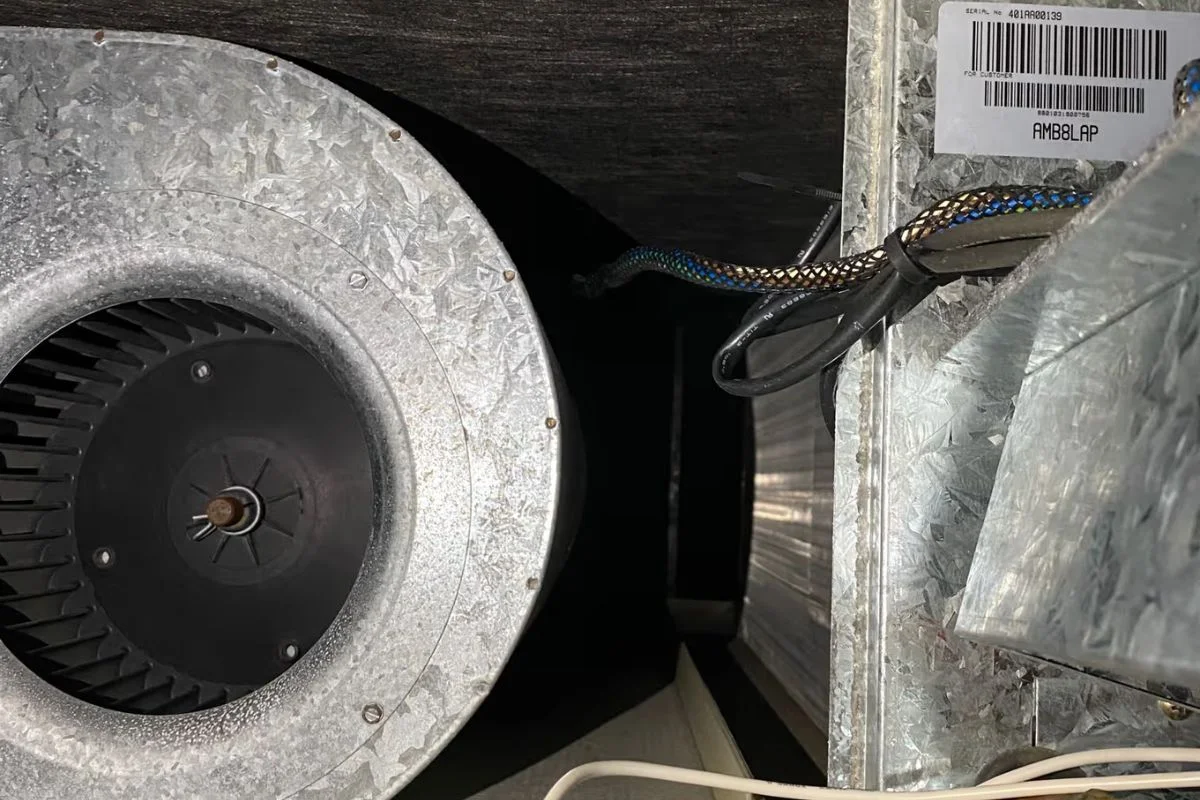
A burning smell from an air conditioner feels sudden. In reality, it rarely is. Most burning odours are the final stage of a fault that has been building for weeks or months. Heat has been accumulating somewhere it shouldn’t. Components have been working harder than they were designed to. The smell is simply the point where that stress becomes noticeable.
Knowing what to do in the moment matters. But knowing why it happens matters more, because that knowledge is what prevents the next one. This article looks past the immediate response and into the mechanics. It explains where the heat comes from, why some homes see it more often, and which maintenance habits actually reduce the risk.
A Smell Is the Last Symptom, Not the First
Every air conditioner turns electrical energy into movement and heat transfer. When everything is clean and balanced, that energy flows where it should. When resistance builds anywhere in the system, some of that energy turns into waste heat instead.
Waste heat is the real culprit. It softens insulation, cooks dust and degrades plastic housings. By the time you can smell it, materials have often already been damaged. That is why a burning odour should be treated as evidence of an existing problem, not a warning of a future one.
The useful question isn’t only “what is burning?” It’s “what has been working too hard, and for how long?”
Where the Excess Heat Comes From
Fan motors and worn bearings
Indoor and outdoor fan motors run for thousands of hours each year. Over time, their bearings lose lubrication and start to drag. A dragging motor draws more current to maintain speed. More current means more heat in the windings.
Eventually, the winding insulation breaks down. That produces the sharp, electrical odour many homeowners describe. Reduced airflow is often the earlier sign, but it is easy to miss. People tend to assume the room is simply hotter than usual.
Capacitors under stress
Capacitors give motors and compressors the electrical push they need to start. They degrade with heat and age. A weak capacitor forces the motor to struggle at startup, sometimes repeatedly. Each failed or slow start adds heat to the motor.
Capacitor failure is common in hot climates. It is also cheap to fix early. Left alone, it can take a fan motor or compressor down with it.
Loose electrical connections
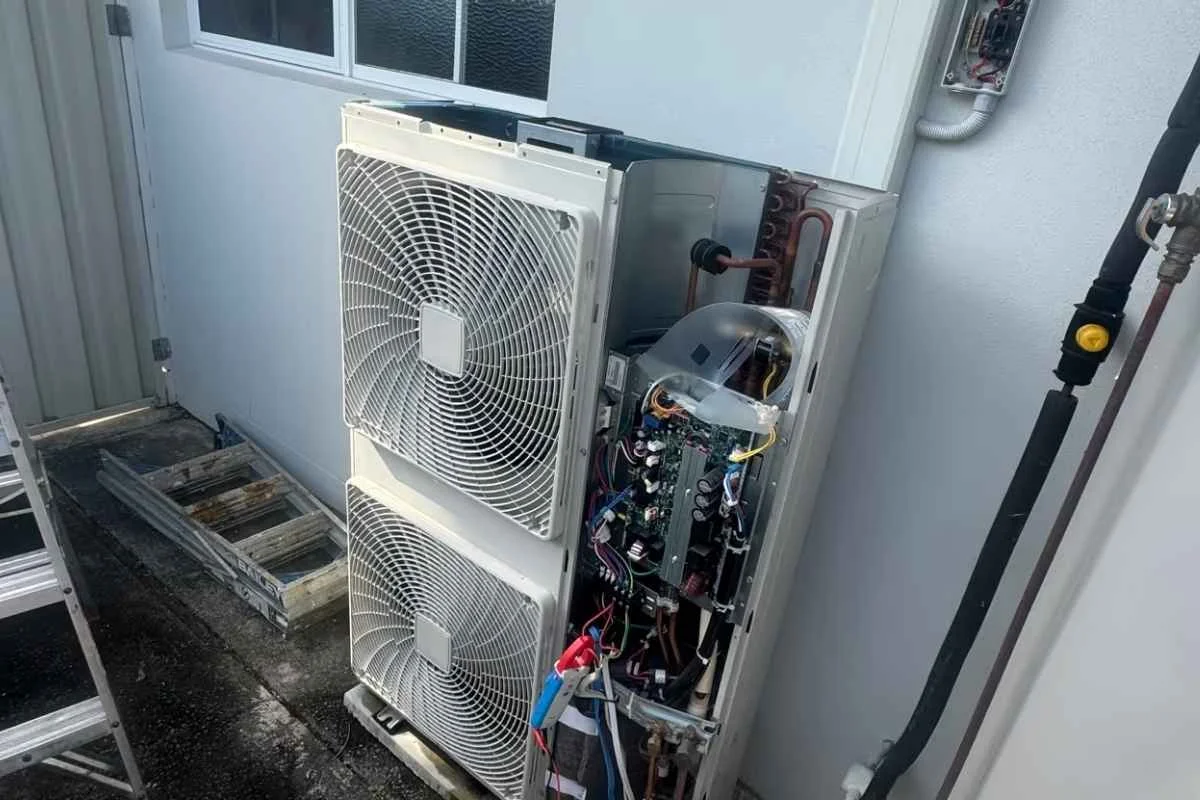
Terminals expand and contract every time a unit cycles on and off. Over years, that movement can loosen connections. A loose terminal creates resistance at a tiny contact point. That point can become extremely hot.
This is one of the more dangerous causes. It can melt terminal blocks and scorch surrounding wiring without any obvious change in cooling performance.
Clogged filters and dirty coils
Restricted airflow forces every part of the system to compensate. Fans spin against higher resistance. Compressors run longer cycles. Coils can’t shed heat efficiently. None of this produces a smell on its own. However, it pushes components closer to their thermal limits, which accelerates every failure listed above.
Why Subtropical Climates Accelerate the Problem
Homes in Queensland and other warm regions place unusual demands on air conditioning. Units often run for long stretches across most of the year. There is little seasonal rest for motors and capacitors.
Humidity adds another layer. Moisture encourages corrosion on electrical contacts and coil surfaces. Corroded contacts increase resistance, which brings us back to waste heat. Coastal properties face salt exposure as well, which speeds up corrosion on outdoor units.
The practical takeaway is simple. Service intervals designed for mild climates are often too long for subtropical homes. A system that runs nine months a year ages faster than one that runs three.
The Real Cost of Waiting
Many homeowners notice reduced airflow or an odd noise and decide to wait. The reasoning is understandable. The unit still works, and a service call feels optional.
The problem is that faults cascade. A failing capacitor stresses the motor. A stressed motor overheats and fails. A failed fan can then push a compressor into overload. What began as a minor part replacement becomes a major repair, or a full unit replacement.
There is also the safety dimension. Overheating electrical components are a recognised fire risk. Catching a fault at the “odd noise” stage avoids reaching the “burning smell” stage entirely. For a step-by-step guide on responding when you do notice an odour, refer to this article: https://deepchill.com.au/burning-smell-from-your-air-conditioner-heres-what-to-do/
Prevention That Actually Works
Cleaning filters regularly is the most accessible habit. In heavy-use homes, monthly checks are reasonable during peak season. It costs nothing and protects every downstream component.
Beyond that, prevention depends on professional inspection. Homeowners can’t safely test capacitors or tighten electrical terminals. These tasks require isolation, the right tools and a licensed technician.
What a proper service should include
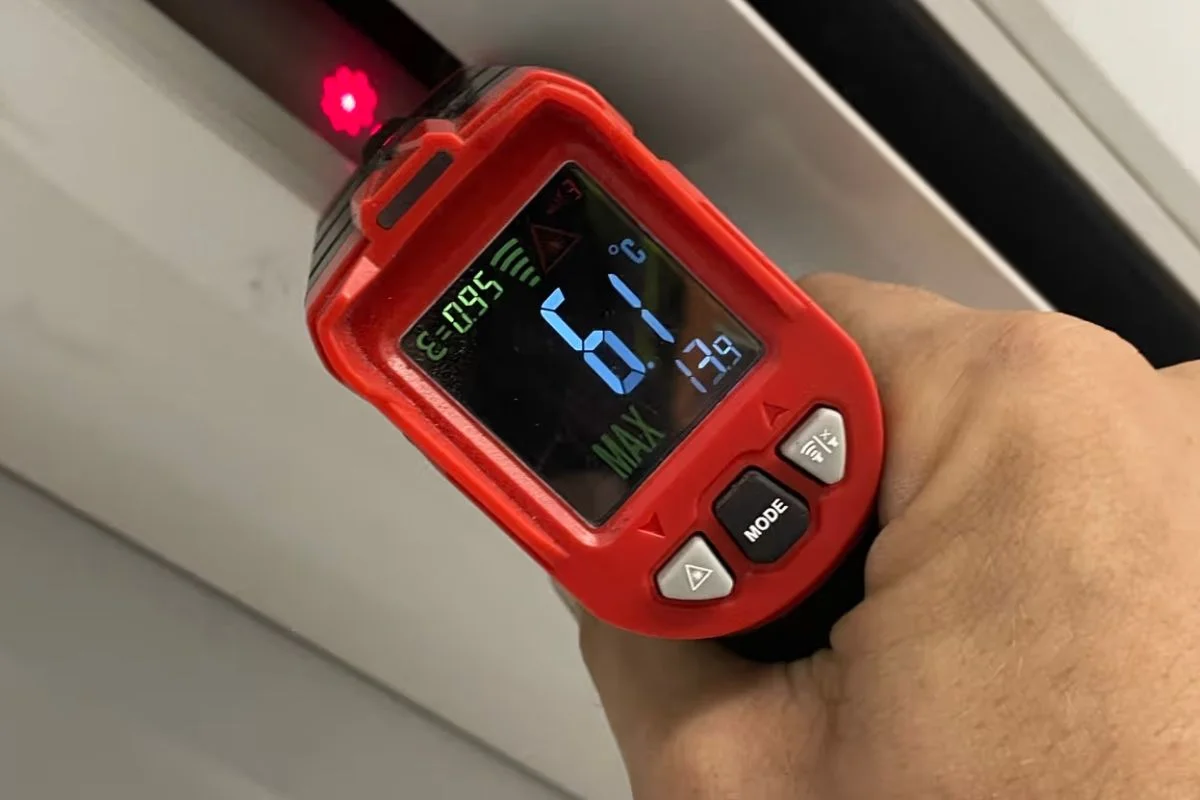
A thorough service goes beyond a filter clean and a quick spray. It should include electrical checks on capacitors and connections. Fan motors should be checked for current draw and bearing condition. Coils should be cleaned, not just rinsed. Drainage should be cleared to prevent moisture build-up near electrical parts.
If a service report doesn’t mention electrical testing, ask about it. That is where most burning-smell faults begin.
Reading the Smell as Data
Different odours do point to different sources. A dusty smell when a unit first runs after months of rest is usually harmless. A plastic or rubber smell suggests something is overheating near insulation or housings. A sharp electrical smell points toward motors or wiring.
But the most useful information isn’t the smell itself. It’s what came before it. Did airflow drop recently? Has the unit been louder or slower to start? Has it been tripping the circuit breaker? These clues help a technician diagnose the root cause, not just the damaged part.
Conclusion
A burning smell is the system’s way of reporting accumulated stress. Treating it as a one-off event misses the point. The fault behind it usually started with friction, resistance or restricted airflow long before any odour appeared.
The homes that avoid these incidents aren’t lucky. They maintain filters, service units at intervals suited to their climate and pay attention to small changes. Prevention is far cheaper than repair, and far safer than waiting for your nose to raise the alarm.
Source: https://deepchill.com.au/burning-smell-from-your-air-conditioner-heres-what-to-do/