Most hotel owners treat air conditioning as a construction task. Get it installed, get it working, move on. That framing misses the real decision buried inside every expansion project.
A new wing’s HVAC system is a capacity commitment. It decides how many premium rooms you can actually sell, how much energy you burn per occupied night, and how often maintenance crews interrupt paying guests. None of that shows up on a construction checklist. All of it shows up on a profit and loss statement.
Why HVAC Capacity Is a Revenue Decision, Not a Comfort One
Every hotel room has a theoretical rate ceiling based on view, size and finish. Air conditioning performance quietly caps that ceiling in practice.
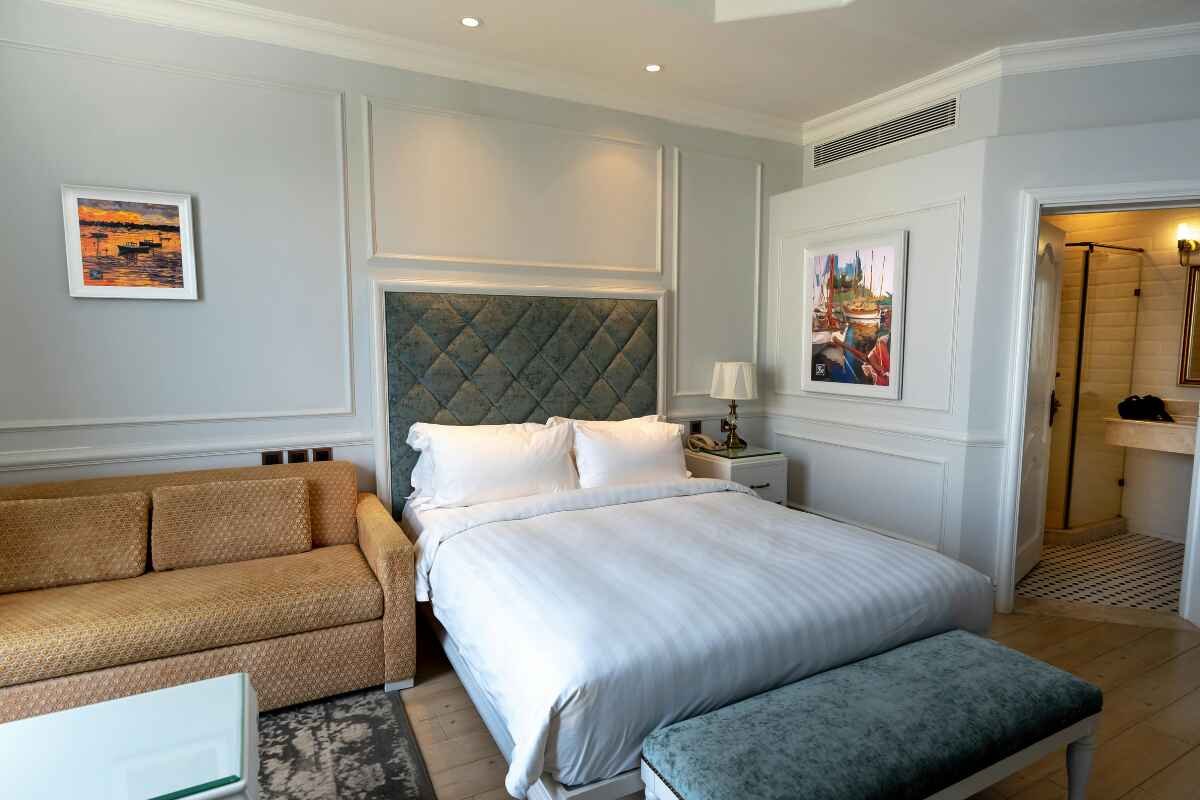
A sea-view suite with a spa bath commands a premium rate. If the cooling system in that room struggles during peak occupancy, humidity creeps up and guests notice. Reviews mention it. Repeat bookings drop. The room still exists on the floor plan, but its earning capacity has been reduced by a mechanical constraint nobody priced in.
This is the part construction budgets rarely capture. A cooling system sized for “adequate” rather than “premium” performance effectively downgrades your top-tier inventory. You paid for a five-star finish and installed a three-star climate system underneath it.
The Asset Lifecycle Math Behind VRF Systems
Variable Refrigerant Flow systems, like the commercial Airstage range, get pitched on comfort and efficiency. The more useful way to evaluate them is as a long-duration asset with a specific depreciation and maintenance curve.
VRF systems allow individual room-level temperature control from a shared outdoor condenser network. That architecture matters for hotels specifically because occupancy is never uniform. Half a wing might sit empty on a Tuesday while the other half runs at full cooling load. A correctly sized VRF system responds to that variability without wasting capacity on empty rooms.
Compare that to oversized single-zone alternatives, which run at a fixed capacity regardless of actual demand. The energy cost difference compounds over a 15-to-20-year system life into a meaningful gap in operating expenses, which directly affects net operating income on the property.
Retrofit Cost Isn’t Just Money. It’s Sellable Nights.
The standard warning about late HVAC planning focuses on installation cost. That’s real, but it’s the smaller number.
The bigger cost is inventory downtime. Once a wing opens and guests are checking in, any mechanical correction means pulling rooms out of the sellable pool. A twelve-room retrofit during low season might cost a few weeks of reduced revenue. During peak season, the same retrofit can cost more in lost bookings than the mechanical work itself.
This is why the planning-versus-retrofit conversation should be framed in occupancy terms, not just trade cost terms. Ask what a room-night is worth during your highest-demand month, then multiply that by how many rooms would need to go offline for corrective work. That number usually reframes the urgency of early HVAC design faster than a contractor’s quote does.
For a deeper breakdown of the construction-phase planning process, this article covers it well: https://deepchill.com.au/hotel-expansion-air-conditioning-new-wing-new-system/
Where Design Decisions Actually Get Made
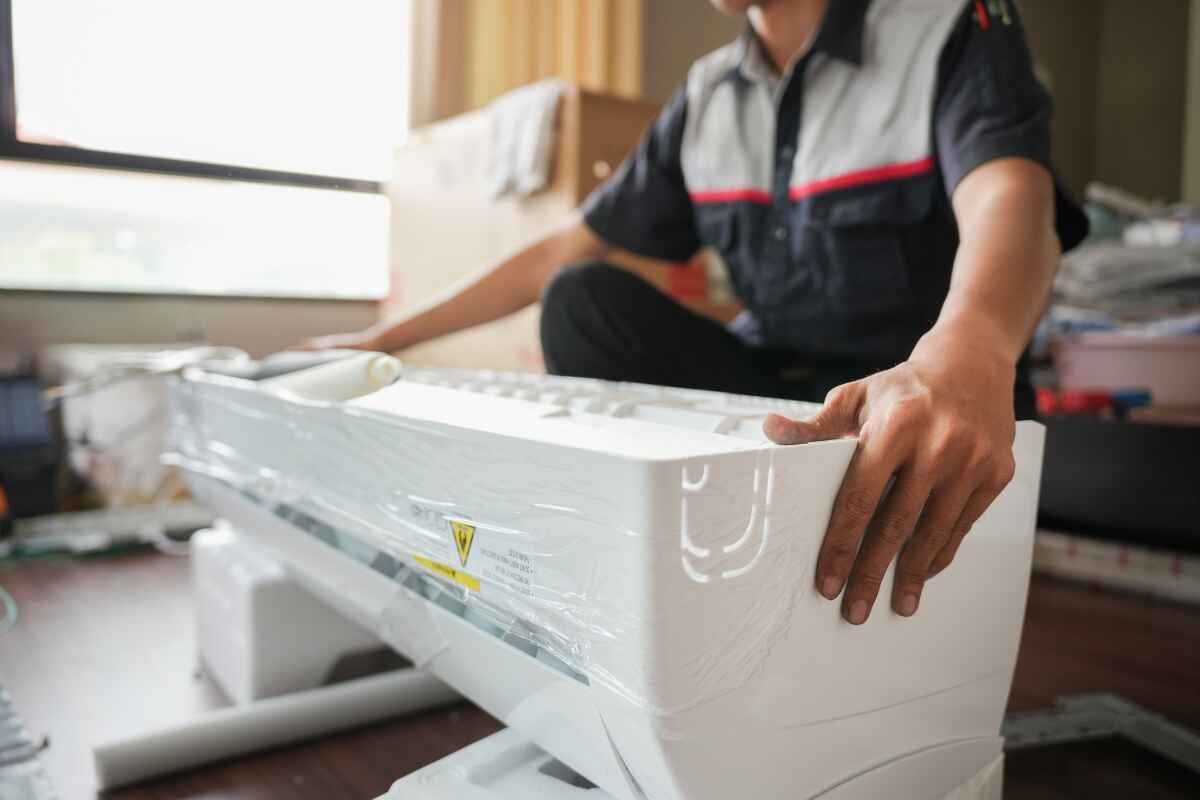
Cooling load calculations, ductwork routing and unit placement all get locked in before a single wall is finished. Once ceilings close and concrete cures, those decisions become expensive to unwind.
The practical implication for hotel owners is that HVAC design needs a seat at the architectural table, not a slot after it. Coordinating load calculations against actual room layouts and occupancy patterns, before construction schedules lock in equipment delivery, is what separates a system built around the building from one forced into it afterward.
This coordination role is why commercial-grade design expertise matters more than equipment brand selection. A GENERAL Fujitsu authorised dealer brings both the equipment access and the design accountability needed to match system capacity to the building’s actual thermal profile, not a generic sizing template.
Maintenance Load as a Forward Liability
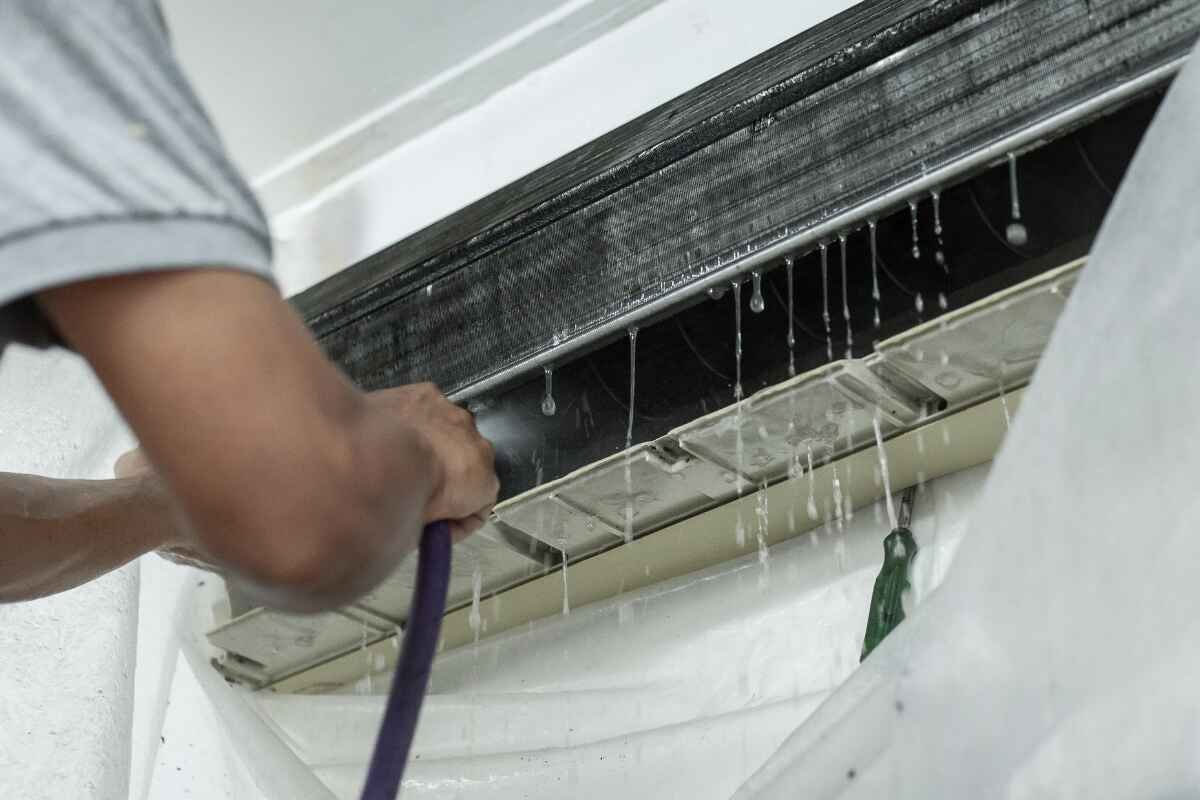
A poorly matched system doesn’t just run inefficiently from day one. It accumulates wear faster, which pulls maintenance forward on the calendar and increases the frequency of service callouts.
For a hotel, every maintenance callout carries a hidden cost beyond the invoice. Technicians in guest corridors, temporary noise, occasional room access requests. None of it is severe individually, but it erodes the guest experience in small, cumulative ways across a property’s operating life.
Systems designed correctly from the outset carry a lighter maintenance burden for their entire service life. That’s a lower long-run cost base, which matters more the longer you plan to hold the asset.
The Real Question Before Expansion
The question worth asking before a hotel wing expansion isn’t “which air conditioning brand should we use.” It’s “what room capacity and cost structure are we locking in for the next two decades.”
Framed that way, HVAC planning stops being a construction subtask and becomes part of the underlying investment case for the expansion itself. Get the sizing, zoning and system architecture right before ceilings close, and the mechanical decision stops constraining the commercial one.
Source: https://deepchill.com.au/hotel-expansion-air-conditioning-new-wing-new-system/